
Whether Robert Kiyosaki’s Rich Dad Poor Dad is a good finance starter book for young adults in the Philippines depends entirely on what you hope to gain from it. If you are looking for a powerful shift in how you perceive money, assets, and employment, the book is highly valuable. However, if you expect a practical, step-by-step guide to navigating the local financial system, the book falls short. Because its tactical advice is heavily rooted in the United States economy, Filipino readers must approach the text critically and learn to separate its broad philosophical lessons from its foreign investment mechanics.
What the Rich Dad Poor Dad Book Actually Teaches
The book’s primary strength lies in redefining how you view assets and liabilities. Kiyosaki simplifies these terms: an asset is anything that puts money into your pocket, while a liability is anything that takes money out. For a young adult starting their career, this basic distinction can prevent common financial traps, such as viewing a heavily mortgaged car or a high-interest personal loan as a sign of wealth.
Another foundational lesson is the shift from trading time for money to making money work for you. The text contrasts the path of climbing the corporate ladder for a steady paycheck with the path of acquiring income-generating assets. This perspective encourages readers to look beyond traditional employment and explore entrepreneurship or investing as long-term paths to financial independence.
Products mentioned in this guide
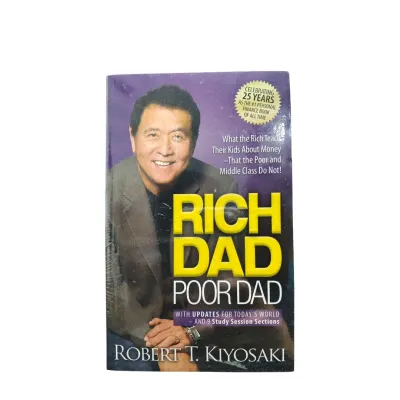
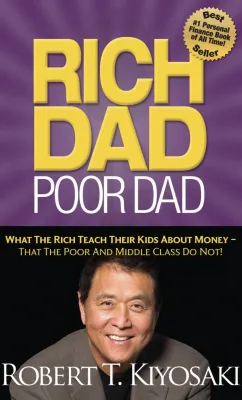
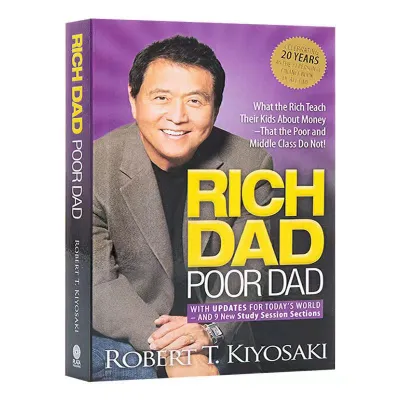

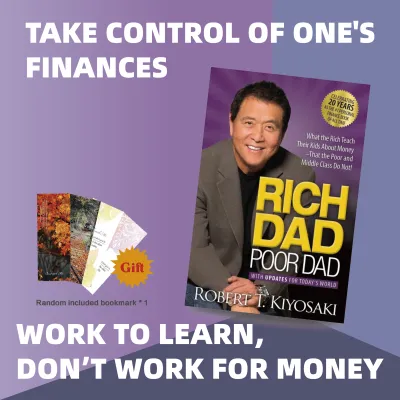
Prices are valid at publication and may change. Please refer to the product page for the latest price.
Finally, the book emphasizes financial literacy and basic accounting as essential survival skills. It argues that earning a high income is meaningless if you do not understand how to preserve and multiply that wealth. By highlighting the importance of reading financial statements and understanding cash flow, it motivates beginners to study the rules of money before committing their hard-earned capital.
Where the Book Falls Short for Readers in the Philippines
While the mindset shifts are universal, the practical execution in the book faces significant hurdles when applied in the Philippines. Kiyosaki heavily advocates for using leverage—borrowing money from banks—to purchase real estate. In the local market, however, young adults face high property costs, steep interest rates, and strict bank lending requirements that make low-down-payment real estate investing highly unrealistic for beginners.

The retirement and tax systems described in the book are also entirely US-centric. References to 401(k) plans, Roth IRAs, or specific tax loopholes do not apply to the local landscape. Filipino readers must instead navigate domestic systems like the Social Security System (SSS), the Pag-IBIG Fund, and the Personal Equity and Retirement Account (PERA), which have entirely different rules, contribution limits, and tax incentives.
Furthermore, the business structures and legal protections discussed in the book do not translate directly to the local regulatory environment. Registering a business, managing corporate taxes, and establishing limited liability involve distinct legal processes through the Securities and Exchange Commission (SEC), the Bureau of Internal Revenue (BIR), and local government units. Relying on foreign legal strategies without verifying local corporate laws can lead to severe compliance issues and financial penalties.
Self-Check: Is This Book the Right Starting Point for You?
Deciding whether to read this book depends on your current financial stage and learning goals. If you find yourself stuck in a cycle of living paycheck to paycheck, or if you view a traditional job as your only possible source of lifetime security, this book can provide the motivational spark you need. It is an excellent choice for those who need to break free from limiting beliefs about wealth and debt.
Conversely, you should probably delay reading it if you are looking for an immediate, step-by-step guide to managing your daily finances. The book does not offer practical advice on how to build a basic emergency fund, pay off high-interest credit card debt, or create a realistic monthly budget. If you are currently struggling to cover your basic living expenses, a practical guide on budgeting and debt management is a more urgent starting point.
To assess your readiness, ask yourself if you are looking for inspiration or instruction. If you already understand the basics of saving and are ready to explore the concept of cash-flowing assets, this book serves as a great conceptual bridge. If you still need to establish your financial foundation, prioritize resources that teach you how to secure your immediate cash flow first.
How to Read It Critically and Apply It Locally
To extract the maximum value from the book, you must learn to separate the mindset from the mechanics. Accept the philosophy of acquiring assets that generate passive income, but do not blindly copy the specific real estate or corporate strategies detailed in the chapters. Treat the book as a conceptual guide rather than a literal instruction manual.
You can translate the book’s core concepts into accessible local investment vehicles. For instance, instead of trying to buy physical apartment buildings immediately, you can explore paper assets such as local mutual funds, Unit Investment Trust Funds (UITFs), or Real Estate Investment Trusts (REITs) listed on the local stock exchange. These options allow you to start investing with much smaller capital requirements—sometimes starting with as little as ₱1,000—while still building a portfolio of income-generating assets.
Before executing any complex financial or business strategy inspired by your reading, always consult qualified local professionals. Reach out to licensed real estate brokers, registered financial planners, or certified public accountants who understand the current regulatory environment in the Philippines. Verifying the legality and feasibility of your plans with local experts will protect you from costly mistakes.
What to Look for in Localized Finance Resources
Because a single foreign book cannot cover all your financial needs, you should actively seek out localized resources to supplement your learning. Look for books, podcasts, or articles that address the specific economic realities of the Philippines, such as domestic inflation trends, local tax laws, and accessible investment platforms. These resources will help you bridge the gap between global financial theory and local execution.
Prioritize authors and financial educators who openly discuss unique cultural factors, such as the sandwich generation phenomenon, supporting extended family members, and managing remittances from overseas. Understanding how to balance family obligations with personal wealth building is a critical step that foreign personal finance books completely overlook.
Finally, ensure that any financial products, investment platforms, or advisory services recommended in your local resources are fully regulated by official authorities. Verify their registration with the Securities and Exchange Commission (SEC), the Bangko Sentral ng Pilipinas (BSP), or the Insurance Commission (IC). This step is vital to protecting your capital from unregulated schemes and high-risk platforms.
Frequently Asked Questions (FAQ)
Is the Rich Dad Poor Dad book still relevant today?
Yes, the core principles of the book remain highly relevant because the fundamental concepts of cash flow, assets, and liabilities do not change over time. However, the specific case studies, historical real estate prices, and tax strategies mentioned in the original text are outdated. You should focus entirely on the mindset shifts and verify all practical investment steps using current, local market data.
Should I buy the physical book or a digital version?
The choice depends on your personal reading habits and budget. A physical copy is excellent if you prefer highlighting key passages, writing notes in the margins, and keeping a reference book on your shelf. A digital version or audiobook offers greater portability and is often more affordable. Whichever format you choose, ensure you purchase from authorized bookstores or official digital platforms to guarantee you receive a complete, high-quality edition.
Community discussion
Share your experience or ask a question. Comments are reviewed before publication.