
Identifying an original Filipino movie DVD requires a close look at the physical packaging, the disc’s inner ring, and the digital playback quality. While counterfeit copies of classic and modern Tagalog films are common in informal markets, authentic releases feature distinct manufacturing markers, high-quality printing, and fully functional interactive menus. Knowing how to spot these differences ensures you get the best viewing experience while supporting the local film industry.
Why Authenticity Matters for Full Tagalog Movies
Purchasing original physical media is crucial for preserving the rich history of Philippine cinema. Counterfeit discs often suffer from severe compression, resulting in pixelated video, washed-out colors, and muffled audio that ruins the cinematic experience. Many pirated copies are sourced from low-quality theatrical recordings, which frequently feature cropped frames that cut off actors or hardcoded foreign subtitles that block the screen. These visual and auditory defects detract from the artistic intent of the filmmakers and make for a frustrating viewing experience at home.
Furthermore, the audio design of modern Filipino films is often completely lost on bootleg copies. Original DVDs typically feature multi-channel audio tracks, such as Dolby Digital 5.1 surround sound, which provides an immersive audio experience. Counterfeit versions, however, are frequently downmixed to low-bitrate stereo or even mono tracks recorded from a microphone inside a theater. This results in muddy dialogue, unbalanced sound effects, and a complete lack of dynamic range.
Products mentioned in this guide
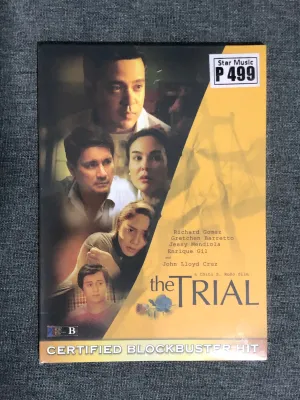
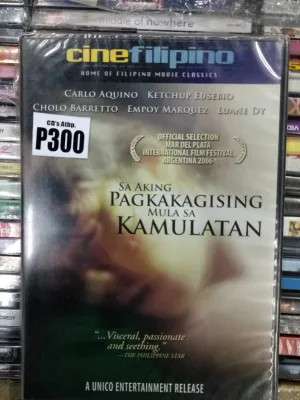
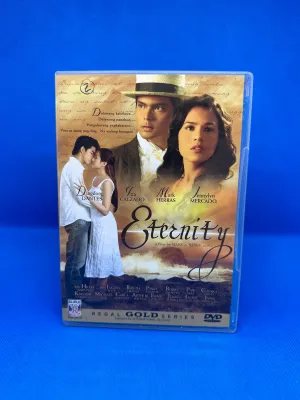

Prices are valid at publication and may change. Please refer to the product page for the latest price.
Beyond the technical drawbacks, bootleg copies lack the official bonus features that make physical media worth collecting. Original releases from major local studios often include director’s commentaries, deleted scenes, behind-the-scenes documentaries, and high-quality subtitle tracks. Missing out on these extras deprives film enthusiasts of valuable context and deeper insight into the production. For collectors, these supplementary materials are often just as valuable as the feature film itself, providing a comprehensive look at the creative process.
Supporting authentic releases also directly impacts the livelihood of local filmmakers, actors, and crew members. The revenue generated from legitimate DVD sales helps fund future film projects, restoration efforts for classic Tagalog movies, and the preservation of local cinematic heritage. When consumers choose original media, they actively contribute to the sustainability of the local entertainment industry. This financial support is especially vital for independent filmmakers who rely on physical and digital sales to recoup their production costs and fund their next creative endeavors.
Inspecting the Physical Packaging and Disc
A primary indicator of a counterfeit DVD is the quality of its outer packaging. Original releases feature high-resolution cover art printed on high-quality, glossy paper that fits perfectly within the plastic case. In contrast, pirated copies often use low-grade paper with blurry, pixelated images, faded colors, and misaligned text along the spine or back synopsis. Spelling errors in the Tagalog synopsis or the credits are also common red flags on bootleg covers, indicating a lack of professional quality control during the counterfeiting process.

The plastic case itself can also reveal the legitimacy of the product. Original DVD cases are typically sturdy, made from high-quality plastic, and close securely with a satisfying click. They are often branded with the logo of the case manufacturer or the studio on the inside. Cheap bootleg cases, on the other hand, are often thin, brittle, and may have a strong, unpleasant chemical smell from recycled plastics. The clear plastic sleeve holding the paper cover on a counterfeit case is also prone to wrinkling, tearing, or sticking to the paper.
Legitimate DVDs usually display official studio logos, copyright notices, and security features. Look for holographic stickers, optical media license numbers, or official distributor seals on the plastic wrap or the case itself. While some older local releases might have simpler packaging, the presence of crisp, legible fine print and official licensing details remains a reliable sign of authenticity. If the packaging feels flimsy, lacks a proper spine insert, or uses a generic black case instead of the studio’s standard colored casing, proceed with caution.
Examining the disc itself reveals critical manufacturing clues. Original commercial DVDs are professionally pressed, featuring a silver or gold reflective layer and clean, screen-printed artwork directly on the disc surface. Pirated discs often use paper labels glued to the top of the disc or direct inkjet printing, which can feel rough, sticky, or uneven to the touch. Additionally, original discs have microscopic matrix codes, mastering source numbers, and manufacturer logos etched into the inner plastic hub near the center hole, which are impossible for casual counterfeiters to replicate.
Checking Content Quality and Menu Features
Once you insert the disc into a player, the digital interface provides immediate clues about its origin. Original DVDs boot up with official studio intro animations, copyright warnings, and a fully interactive main menu. These menus allow you to navigate seamlessly between scene selections, audio setups, and special features. Pirated copies often skip these menus entirely, boot directly into the movie, or feature static, poorly designed menus with broken links and non-functional buttons.
The video and audio quality of the film itself is a definitive test of authenticity. Original releases are mastered from high-definition source files, offering clear audio tracks and sharp visuals suited for home theater systems. Counterfeit copies often exhibit visual artifacts, such as shaky camera movements from theatrical recordings, shadows of audience members, or sudden audio drops. You might also notice watermarks, timecodes, or promotional text overlaying the footage, which are clear indicators of an unauthorized copy.
Another technical detail to observe is the disc capacity and compression. Many original feature-length films are released on dual-layer discs (DVD-9) to accommodate high bitrates and bonus features without sacrificing video quality. Counterfeiters, however, almost exclusively use single-layer recordable discs (DVD-5) to save on manufacturing costs. To fit a full-length movie onto a smaller disc, they compress the video file heavily, leading to noticeable digital noise, blocky artifacts in dark scenes, and a general loss of detail.
Region coding and format compatibility are also essential checks for local releases. Authentic DVDs intended for the local market are typically coded for Region 3 or marked as region-free (Region 0). If a disc claims to be a local Tagalog release but requires a multi-region player or displays formatting errors common to unauthorized NTSC-to-PAL conversions, it is highly likely to be a counterfeit copy. Check the disc’s system settings and playback properties to verify that the format aligns with standard local broadcasting and playback specifications.
Evaluating Sellers and Authorized Retailers
Where you buy your media is just as important as the physical checks. Purchasing from established department stores, authorized physical media retailers, and official online brand stores is the most reliable way to guarantee authenticity. These sellers source their inventory directly from licensed distributors and studios, ensuring that every copy on the shelf is legitimate. They also provide official receipts, which are necessary if you ever need to return a defective product.
When shopping on online marketplaces or ecommerce platforms, the risk of encountering counterfeit goods increases significantly. Be cautious of listings that rely solely on generic stock photos rather than actual pictures of the physical product. Check the seller’s profile for a verified badge, positive customer feedback, and a history of selling legitimate media rather than a random assortment of unrelated cheap goods. Reliable sellers are usually transparent about the condition, origin, and edition of the DVDs they offer.
Pricing is another clear indicator of a product’s legitimacy. While older or pre-owned original DVDs may be discounted, brand-new releases priced far below the standard retail value of ₱200 to ₱500 should be treated with suspicion. If a deal on a rare or popular Tagalog movie seems too good to be true, the product is likely an unauthorized copy printed on cheap recordable media. Investing in legitimate copies ensures you receive a durable product that will last for years without degrading.
What to Do If You Suspect a Pirated Copy
If you realize you have purchased a counterfeit DVD, document the evidence immediately. Take clear, well-lit photographs of the blurry packaging, the rough or blank disc surface, and any visual defects on the screen during playback. Having concrete visual proof is essential when filing a dispute or requesting a refund from an online seller. Keep the original packaging and any receipts or shipping labels that came with the package, as these serve as proof of purchase.
Most major ecommerce platforms offer buyer protection policies that cover counterfeit items. Initiate a return or refund request through the platform’s official system, uploading your documented photos and explaining that the item received is an unauthorized copy. Avoid communicating with the seller outside the platform’s official chat system, as this can complicate the dispute resolution process and void your protection guarantees. Be clear and concise in your explanation, focusing on the physical and digital discrepancies you observed.
Finally, report the fraudulent listing and the seller to the platform’s administration to help protect other consumers. You can also report the sale of pirated goods to local consumer protection agencies or intellectual property offices. Reporting these activities helps curb the distribution of counterfeit media and supports the broader effort to protect the rights of local artists and creators. By taking action, you help maintain a fair marketplace and ensure that local cinema continues to thrive.
Frequently Asked Questions (FAQ)
Can a pirated DVD damage my disc player?
Yes, counterfeit discs can pose physical risks to your playback hardware. Pirated DVDs are often burned on low-quality recordable media that may be unbalanced, causing excessive vibration and strain on the player’s spindle motor. Additionally, paper labels glued to the disc can peel off due to the heat generated inside the player, potentially jamming the disc tray or damaging the sensitive optical laser lens. If your player makes unusual grinding noises or struggles to read a disc, eject it immediately to prevent permanent hardware damage.
Are burned DVD-Rs always pirated copies?
In almost all retail scenarios, a movie on a DVD-R is a counterfeit copy. Legitimate commercial releases are mass-produced using a pressing process that creates durable, molded silver discs. However, there are rare exceptions for independent, low-budget Filipino films or student projects where the filmmakers distribute burned DVD-Rs directly at film festivals or independent screenings. If you purchase a DVD-R from a standard retail store or online marketplace, it is almost certainly an unauthorized copy.

Community discussion
Share your experience or ask a question. Comments are reviewed before publication.