
Building a physical library of local cinema is more than a hobby; it is an act of cultural preservation. In an era where streaming licenses expire and digital titles vanish overnight, owning physical copies of Filipino films ensures that these vital stories remain accessible. A thoughtful collection of Filipino DVDs allows you to experience the evolution of local storytelling, from the black-and-white masterpieces of the mid-20th century to the gritty, boundary-pushing independent films of the digital age. By establishing clear selection criteria and understanding the technical nuances of physical media, you can curate a library that serves as a personal testament to the rich heritage of Philippine cinema.
Defining Your Collection Focus and Selection Criteria
To build a meaningful collection, you must first define your focus. The landscape of local cinema is vast, spanning nearly a century of filmmaking, which makes an unstructured approach overwhelming. You might choose to center your library on specific cinematic movements, such as the socially conscious dramas of the Second Golden Age, or focus on the works of pioneering directors who shaped the nation’s visual language. Alternatively, your collection could celebrate popular genre films, tracking the evolution of local horror, comedy, or action over the decades.
Evaluating the historical and cultural significance of a film is a reliable starting point for any collector. Landmark films that garnered international acclaim or sparked national conversations deserve a permanent place on your shelf. However, collecting physical media also requires a pragmatic balance between historical importance and personal enjoyment. A well-rounded library should reflect your genuine viewing preferences, combining high-art masterpieces with the comforting, nostalgic mainstream releases that defined your own movie-going history.
Products mentioned in this guide
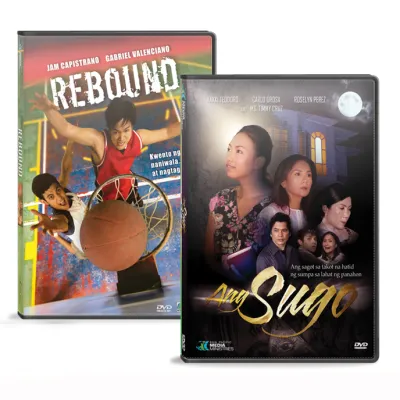
Prices are valid at publication and may change. Please refer to the product page for the latest price.
Another critical consideration is the availability of specific titles. The physical media market in the Philippines has transitioned significantly, leaving many classic and mid-20th-century releases out of print. As a collector, you will need to decide whether to actively hunt for rare, vintage DVD pressings from defunct home video distributors or focus your resources on modern, high-quality reissues and restorations. Embracing both paths allows you to enjoy the thrill of the hunt while supporting contemporary preservation efforts.
Core Eras and Genres for a Well-Rounded Film Library
To construct a representative library, it helps to categorize your collection by key eras and movements. The first major pillar is the Golden Age of Philippine cinema, particularly the prolific studio era of the 1950s dominated by legendary production houses like Sampaguita Pictures, LVN Pictures, and Premiere Productions. While physical releases of films from this era are exceptionally rare, finding surviving DVD transfers offers an invaluable window into the classical storytelling, grand melodramas, and musical comedies that entertained early generations of Filipino moviegoers.

Following this classical period is the Second Golden Age, spanning the 1970s through the early 1980s. This era represents a high-water mark for artistic expression and social commentary, led by visionary directors who challenged censorship and tackled pressing societal issues. DVDs from this period are highly prized by collectors, as they capture a turbulent yet incredibly creative chapter in the nation’s history. Securing physical copies of these masterworks ensures that their powerful messages and artistic innovations are preserved for future study and appreciation.
The turn of the millennium brought the independent film wave, a movement catalyzed by the transition to digital filmmaking and the establishment of local independent film festivals. This era democratized filmmaking, allowing a new generation of directors to explore marginalized stories, regional cultures, and unconventional narratives. Independent releases on DVD often feature unique packaging, limited production runs, and rich bonus content, making them highly sought-after items for collectors who appreciate raw, uncompromising storytelling.
Finally, a complete collection should celebrate the vibrant mainstream and genre films that have shaped local pop culture. From the iconic, long-running horror anthologies that terrified generations of viewers to the beloved romantic comedies that defined modern commercial cinema, these films represent the shared cultural experiences of millions of Filipinos. Cult classics, high-concept action flicks, and blockbuster dramas carry immense nostalgic value and provide a fun, accessible counterweight to more serious art-house acquisitions.
Evaluating DVD Releases: Restorations, Editions, and Region Codes
When collecting physical media, technical literacy is essential to ensure that the discs you acquire are compatible with your playback equipment and meet your quality standards. The first technical hurdle to navigate is region coding. DVDs are historically divided into geographical regions to control distribution; the Philippines and the rest of Southeast Asia typically fall under Region 3. However, many local home video distributors released titles as Region 0 (or Region Free) to make them accessible to the global Filipino diaspora. Before purchasing imported discs or older local releases, verify your DVD player’s region compatibility or consider investing in a multi-region player to avoid playback errors.
The visual and audio quality of Filipino DVD releases can vary dramatically depending on the source material and the care taken during the transfer process. Many older titles were transferred directly from worn-out analog tapes, resulting in standard-definition discs with noticeable tracking lines, muted colors, and muffled audio. In contrast, digitally restored and remastered editions offer significantly improved clarity, color balance, and sound design. Projects dedicated to film restoration have breathed new life into classic titles, and seeking out these specific restored DVD editions ensures a vastly superior viewing experience.
Beyond the film itself, collectors should evaluate the physical packaging and supplemental content included with the release. Special editions, anniversary releases, and boutique label pressings often feature collector-friendly additions that elevate the physical ownership experience. Look for DVDs that include director commentaries, behind-the-scenes featurettes, deleted scenes, and physical inserts such as booklets, essays, or collectible cover art. These additions not only provide deeper context into the filmmaking process but also enhance the long-term value and appeal of your physical library.
Sourcing Authentic Discs and Navigating the Local Market
Sourcing authentic physical media in the modern landscape requires patience, strategy, and a keen eye for detail. While major retail chains have largely phased out physical media sections, dedicated collectors can still find official releases through specialized channels. Established local bookstores, university presses, and independent cultural institutions often stock DVDs of independent films, documentaries, and restored classics. Additionally, official online storefronts operated by local film archives, cultural agencies, and independent distributors remain reliable sources for brand-new, authentic pressings.
For out-of-print titles and vintage releases, the secondhand market is an indispensable resource. Exploring vintage shops, flea markets, and creative hubs like Cubao Expo in Metro Manila can yield unexpected treasures for diligent crate-diggers. Online collector forums, social media marketplace groups, and dedicated physical media communities are also excellent platforms for buying, selling, and trading rare local DVDs. When participating in these communities, building relationships with reputable sellers can grant you early access to highly coveted titles before they reach the general public.
However, navigating the secondhand and informal markets requires vigilance against counterfeit products. Pirated DVDs were highly prevalent in the region for decades, and many bootlegs still circulate today. To identify authentic releases, inspect the physical disc and packaging closely. Genuine DVDs feature professionally pressed silver reflective data layers, clear matrix numbers and IFPI codes stamped near the center hub, and high-quality, crisp offset printing on the cover sleeve. In contrast, bootlegs often utilize purple-backed DVD-R recordable discs, blurry inkjet-printed covers, and lack official publisher logos or barcode registration. Suspiciously low prices, such as a rare title offered for ₱50, should always serve as a warning sign.
Preserving and Storing Your Physical Media Collection
The tropical climate of the Philippines presents unique challenges for physical media preservation, making proper storage and maintenance crucial for protecting your investment. High relative humidity and elevated temperatures are the primary catalysts for disc degradation, commonly known as “disc rot,” as well as the growth of mold and fungus. To safeguard your collection, store your DVDs in a cool, dry room with stable temperatures. Avoid placing your storage shelves against external walls where moisture can accumulate, and keep your collection entirely out of direct sunlight, which can warp plastic cases and fade cover art.
Using desiccant packs, such as silica gel, inside your storage cabinets can help absorb excess moisture and maintain a safer microclimate for your discs. Additionally, always store your DVD cases vertically rather than stacking them horizontally. Vertical storage minimizes pressure on the cases and discs, preventing warping and reducing the risk of the plastic sleeves sticking to the paper artwork over time. When handling your discs, touch only the outer edges or the center spindle hole to prevent transferring natural skin oils, dirt, or sweat to the playable data surface.
Regular maintenance and visual inspections are vital for catching potential issues before they cause permanent damage. Periodically inspect your collection for early signs of mold growth, which appears as a fine, white, or grey powdery substance on the disc surface or inside the case. If you detect mold, clean the disc immediately using a soft, dry microfiber cloth, wiping gently in straight lines from the center hub outward to the edge—never in a circular motion, which can cause circular scratches that disrupt laser tracking. Keeping your storage area clean, dust-free, and well-ventilated will ensure that your local cinema collection remains pristine and playable for decades to come.
Frequently Asked Questions (FAQ)
Are Blu-ray versions available for classic Filipino movies?
High-definition Blu-ray releases of classic Filipino films do exist, but they are relatively rare compared to standard DVD formats. Most high-definition physical releases are the result of prestigious digital restoration projects, often distributed internationally by specialized boutique labels or local cultural institutions. Collectors looking for these premium editions should monitor international boutique home video distributors and official local archive announcements, as these releases are typically produced in limited quantities and highly sought after by cinema enthusiasts worldwide.
How can I tell if a local DVD is an official release?
An official local DVD release can be identified by several key physical characteristics. Genuine discs are professionally manufactured with a silver reflective data side and feature crisp, high-resolution cover art printed on high-quality paper stock. They will also display official publisher logos, barcodes, and copyright information on the packaging. Conversely, counterfeit copies often use recordable DVD-R discs with distinct purple or blue backing, show blurry or pixelated cover printing, and are typically sold at suspiciously low prices without proper retail packaging.
Do I need a region-free player to watch imported Filipino DVDs?
Whether you need a region-free player depends entirely on the region coding of the specific disc and your playback hardware. While many local DVDs are released as Region 0 (Region Free) to accommodate international viewers, some imported releases or specialized foreign editions of local films may be locked to specific regions, such as Region 1 for North America or Region 2 for Europe. Before purchasing an imported disc, check its region code against your player’s specifications, or invest in a dedicated multi-region DVD player to guarantee hassle-free playback of any title in your collection.
Community discussion
Share your experience or ask a question. Comments are reviewed before publication.