
Starting an animated movie Blu-ray collection in the Philippines is an incredibly rewarding way to preserve your favorite films in the highest possible quality. While streaming services offer convenience, they often compress video files, leading to noticeable banding in the smooth gradients and vibrant color fields typical of animated films. Physical media provides unmatched video bitrates, lossless audio, and permanent ownership free from licensing changes. To begin, you need to understand your playback hardware, define your collecting goals, find reliable local and international retail channels, and learn how to protect your discs from tropical humidity.
Assess Your Playback Setup and Region Compatibility
Before purchasing your first disc, you must verify that your playback hardware matches the technical specifications of the media. Standard Blu-ray discs are divided into three geographical regions: Region A (which includes the Americas and Southeast Asia, including the Philippines), Region B (Europe, Africa, and Australia), and Region C (most of Asia and Russia). If you buy a standard Blu-ray disc from Europe, a standard player purchased locally in the Philippines will generally refuse to play it due to this regional coding.
Fortunately, 4K Ultra HD (UHD) Blu-ray discs are globally region-free. If you plan to collect 4K UHD editions of animated movies, you can purchase them from any country without worrying about regional playback blocks. However, playing these discs requires a dedicated 4K UHD Blu-ray player; a standard Blu-ray player cannot read them.
Products mentioned in this guide
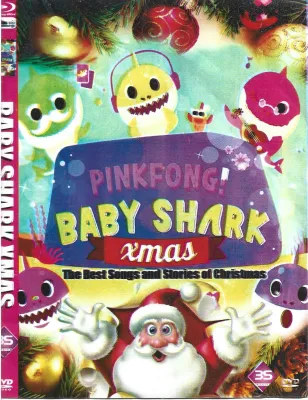
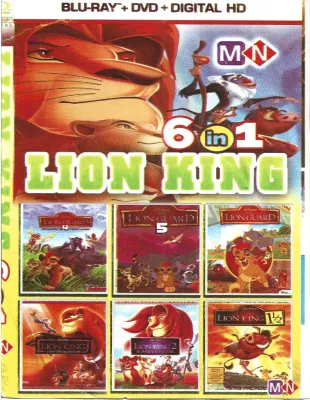
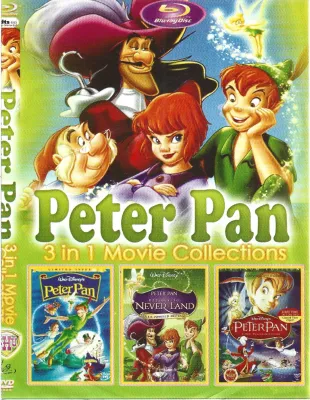
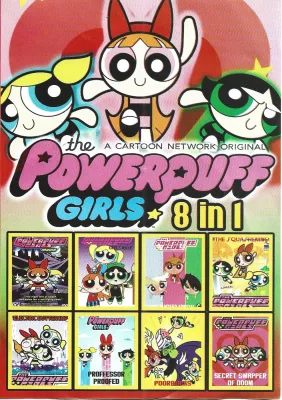

Prices are valid at publication and may change. Please refer to the product page for the latest price.
Your display and audio equipment also dictate your viewing experience. To enjoy the full visual fidelity of modern animated films, your television should support High Dynamic Range (HDR) formats like HDR10 or Dolby Vision, which bring out the vibrant colors and deep contrasts characteristic of modern animation. Additionally, check if your soundbar or home theater receiver supports lossless audio codecs such as Dolby TrueHD, DTS-HD Master Audio, or Dolby Atmos to ensure the cinematic soundtracks are reproduced accurately. Ensure you use a high-speed HDMI cable capable of handling these high-bandwidth signals without dropouts.
Define Your Collection Focus and Priorities
The world of animated cinema is vast, spanning classic hand-drawn masterpieces, modern computer-generated blockbusters, and niche indie projects. To build a satisfying collection without overspending, it helps to establish a clear focus early on. You might choose to prioritize a specific animation studio, follow the filmography of a beloved director, or focus on a particular genre like theatrical anime or stop-motion classics.

You will also need to decide which physical formats align with your budget and aesthetic preferences. Standard Blu-ray discs offer excellent 1080p quality and are highly affordable, making them ideal for building a large library quickly. Premium formats like 4K UHD provide superior resolution and color depth but come at a higher cost. For collectors who value display aesthetics, limited-edition SteelBooks offer collectible metal packaging and exclusive artwork, though they require a larger financial investment.
Setting a realistic monthly or quarterly budget is essential for maintaining a healthy hobby. It is easy to get carried away by flash sales or rare imports, so establishing a spending limit—such as ₱1,500 to ₱3,000 per month—helps you prioritize the titles you truly want. This disciplined approach ensures you build a curated library of films you will actually watch and cherish, rather than a cluttered shelf of impulse purchases.
Where to Buy Authentic Blu-rays Locally and Online
Finding authentic physical media in the Philippines requires knowing where to look, as counterfeit discs are common in informal markets. For brick-and-mortar shopping, major local bookstores and specialty media shops in metropolitan areas occasionally stock imported home video releases. While their physical shelves have shrunk in recent years, these stores remain reliable sources for officially distributed local editions and select international titles.
Online shopping offers a much wider selection, but it requires careful navigation. When using major e-commerce platforms, look for official brand stores, flagship malls, or highly rated specialty sellers who specialize in physical media imports. Avoid generic listings with vague descriptions or stock photos that do not show the actual product packaging.
For titles not available locally, international online retailers and specialty export shops are excellent alternatives. When importing discs directly to the Philippines, keep the de minimis threshold in mind: shipments with a total value under ₱10,000 are generally exempt from import duties and taxes, making it more economical to split large orders into smaller shipments.
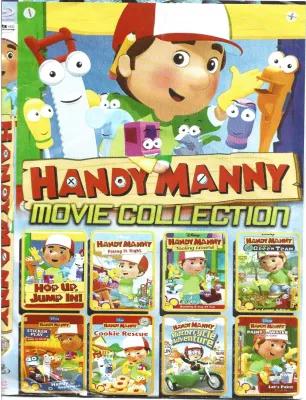
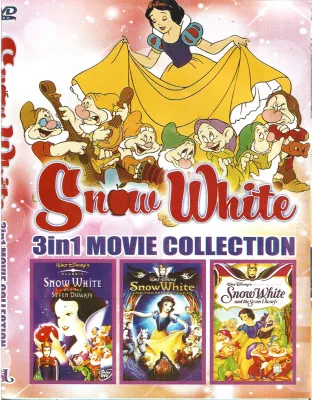
Spotting bootleg releases is a crucial skill for any collector. Authentic Blu-rays are pressed on silver-backed discs, whereas counterfeit copies are often burned onto dark blue or purple recordable discs (BD-R). Be suspicious of unusually low prices, such as a multi-movie collection selling for a fraction of the cost of a single standard release. Additionally, inspect the cover art for blurry printing, spelling errors, or missing official logos and region coding symbols, which are clear indicators of a bootleg copy.
Inspect Your First Purchases: Editions, Formats, and Packaging
When your new animated movie Blu-ray arrives, performing a thorough inspection before opening or playing it will save you time and hassle. Start by checking the outer packaging, specifically the spine and the back cover. Verify that the region code matches your player, and confirm that the disc includes your preferred audio tracks and subtitle languages, as some foreign releases may lack English subtitles or local dubs.
Next, unwrap the case and inspect the physical disc itself. Examine the center hub and the outer edges for any cracks, chips, or deep scratches that may have occurred during transit. In a tropical climate, shipping containers can experience extreme temperature shifts, which can occasionally cause discs to dislodge from their plastic trays and slide around inside the case—often referred to as a “floater.” If you hear a rattling sound before opening, handle the case carefully to avoid scratching the disc surface.
Finally, verify that all advertised contents are present inside the case. Many premium or first-press editions of animated movies include physical inserts, such as art cards, booklets, or promotional stickers. If the release was advertised as a multi-disc combo pack (such as a 4K UHD and standard Blu-ray bundle), ensure both discs are present and correctly labeled. If a digital copy code is included, check the expiration date and regional redemption restrictions, as codes from other countries often require a matching regional account to redeem.
Store and Maintain Your Discs Properly
The tropical climate of the Philippines presents unique challenges for physical media preservation. High humidity and ambient heat can accelerate the degradation of plastic cases, paper inserts, and even the reflective layers of the discs themselves—a phenomenon known as disc rot. To prevent this, store your Blu-ray cases vertically on open shelves in a cool, dry room with adequate airflow, and keep them completely out of direct sunlight. Avoid storing them in closed, unventilated cabinets where humidity can become trapped.
For high-value collections, placing small silica gel packets inside or near your storage shelves can help absorb excess moisture. When handling your discs, always hold them by the outer edges or the center spindle hole. Avoid touching the shiny playback surface, as the natural oils and moisture from your fingertips can attract dust and create smudges that interfere with the player’s laser.
If you need to clean a disc, use a clean, dry microfiber cloth. Wipe gently in straight lines starting from the center hole outward to the edge; never wipe in circular motions, as circular scratches can permanently damage the data tracks and cause playback errors. Avoid using harsh household chemicals or abrasive paper towels, which can strip the protective scratch-resistant coating found on modern Blu-ray discs.
Frequently Asked Questions (FAQ)
Do I need a special player for 4K UHD animated movies?
Yes, playing 4K UHD animated movies requires a dedicated 4K UHD Blu-ray player. Standard Blu-ray players use a different laser technology and cannot read the high-density data on 4K UHD discs. Additionally, to experience the full benefits of the format, you must connect the player to a 4K television that supports High Dynamic Range (HDR) using a high-speed HDMI cable.
Are region-free Blu-ray players legal and reliable?
Owning and using a region-free Blu-ray player is entirely legal for personal use in the Philippines. These players allow you to enjoy imported animated films from any region without restriction. However, reliability depends on how the player was modified; hardware-modified players from reputable specialty retailers are generally very reliable, but unofficial third-party firmware modifications can void the manufacturer’s warranty and may stop working after system updates.

Community discussion
Share your experience or ask a question. Comments are reviewed before publication.