
Anime collecting has evolved from a niche hobby of trading physical tapes to a massive global industry dominated by high-definition digital releases. For collectors in the Philippines, deciding between the vintage allure of VHS and the pristine fidelity of Blu-ray is more than just a choice of resolution; it is a choice between two entirely different philosophies of appreciation. While Blu-ray offers the ultimate viewing experience for modern and remastered classic anime, VHS remains a highly sought-after, tactile artifact of anime history. Finding the right balance depends on your space, budget, and historical interest in the medium.
Quick Answer: Which Format is Right for Your Anime Collection?
Blu-ray is the definitive choice for modern viewing quality, convenience, and accessing current anime releases. VHS is a specialized niche for collectors seeking vintage aesthetics, rare 1980s/1990s physical releases, and unique retro packaging.
Choose Blu-ray if you prioritize high-definition video, lossless audio, modern bonus features, and hassle-free playback on modern displays. It is the most practical format for enjoying contemporary series and high-quality restorations of older masterpieces.
Products mentioned in this guide
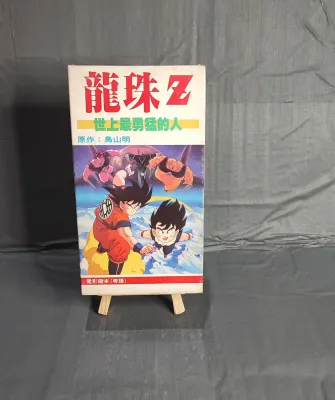
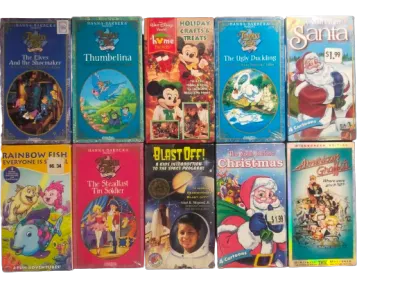
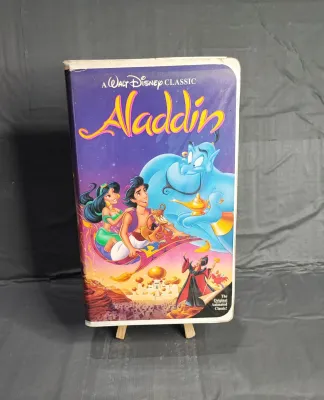
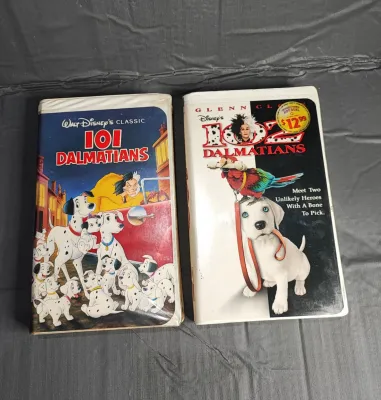
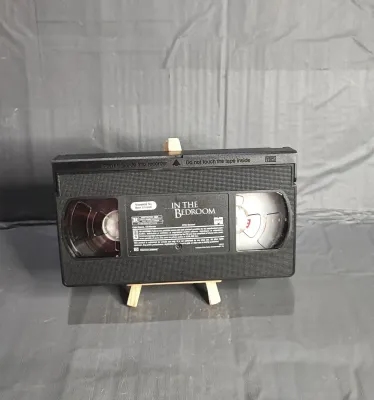
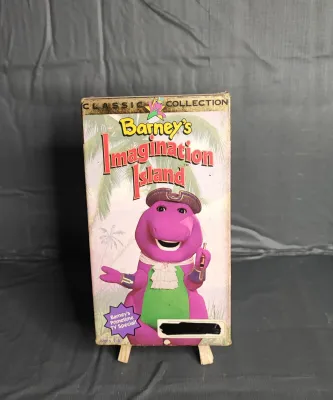
Prices are valid at publication and may change. Please refer to the product page for the latest price.
Choose VHS if you are collecting specific vintage anime, value retro packaging (like original OVA slipcovers), appreciate early English dubs, or enjoy the analog viewing experience on a CRT television.
Verify first if the specific anime title was ever released on your preferred format. Many older shows lack Blu-ray remasters, and no anime released after the early 2000s has a VHS edition.
Picture and Audio Quality: Modern Clarity vs. Nostalgic Charm
Blu-ray technology delivers 1080p (or 4K UHD) resolution, digital clarity, vibrant colors, and lossless audio (such as DTS-HD Master Audio or Dolby TrueHD). This format is designed to showcase the intricate digital art, complex CGI, and layered soundscapes of modern anime.

VHS is limited to standard definition, typically offering around 240 to 330 lines of horizontal resolution. This analog format features natural video noise, color bleeding, and linear stereo or mono audio tracks.
For many collectors, these technical limitations translate into a highly desirable nostalgic charm. When played on a classic cathode-ray tube (CRT) television, the soft color palette and natural scanlines of a VHS tape can make vintage hand-drawn cel animation look exceptionally warm and authentic.
However, the transition of older anime to high-definition Blu-ray is not always flawless. Some Blu-ray remasters of older cel-animated shows suffer from aggressive digital noise reduction (DNR), which can strip away natural film grain and make characters look unnaturally waxy.
In other instances, remasters may alter the original color timing or crop the frame from its native 4:3 aspect ratio to fit modern 16:9 widescreen displays. For purists, tracking down the original VHS release is often the only way to experience the unaltered theatrical grain, original color grading, and native aspect ratio of these historic productions.
Availability and Content Library: What Can You Actually Buy?
The Blu-ray library is vast and continues to grow with every passing season. Modern anime series are almost exclusively released on Blu-ray for physical collectors, and major classic titles like Akira, Ghost in the Shell, and Neon Genesis Evangelion have received comprehensive high-definition box sets.
Despite this extensive coverage, a significant portion of niche 1980s and 1990s original video animations (OVAs) have never been remastered or re-released in any digital format. For these obscure gems, VHS remains the only physical medium through which they can be owned and experienced.
The VHS anime library is strictly historical, as commercial tape production ceased in the early 2000s. This library is a time capsule of vintage anime, classic localized dubs from distributors like Streamline Pictures or Manga Video, and uncut OVA releases that were edited or censored in later digital releases.
Navigating these libraries requires careful attention to regional and format restrictions. Blu-ray discs are often locked to specific region codes (Region A for the Americas and East/Southeast Asia, Region B for Europe, and Region C for most of Asia). Collectors in the Philippines must verify that their playback equipment matches the region code of imported discs, or invest in a region-free player.
VHS tapes do not have digital region locks, but they are bound by analog broadcast standards, primarily NTSC and PAL. Japan and North America used NTSC, while Europe and parts of Asia used PAL.
Importing a Japanese NTSC-J VHS tape to play on a PAL-only VCR or television will result in a rolling, distorted, or black-and-white picture. Collectors must verify their VCR and television specifications to ensure compatibility with the tape’s analog broadcast standard before purchasing.
Pricing and Value: Cost per Title and Long-Term Investment
Blu-ray pricing generally follows standard retail structures. New releases and standard editions are relatively affordable, while premium limited-edition box sets command higher upfront prices but offer excellent cost-per-episode value alongside physical extras.
Over time, standard Blu-ray releases typically depreciate or hold steady, with frequent discounts available on major online marketplaces. This makes building a comprehensive library of your favorite shows highly accessible and cost-effective.
VHS pricing operates on an entirely different economic model driven by scarcity, condition, and collector demand on the secondary market. Common, mass-market tapes can often be found for nominal prices in thrift stores or online listings.
Conversely, rare, out-of-print, or sealed cult-classic VHS tapes can command significant premiums. Tapes featuring exclusive vintage dubs, unique cover art, or promotional inserts often trade at high prices among dedicated collectors.
While Blu-rays are primarily purchased as viewing media, rare VHS tapes have increasingly become speculative investment pieces. However, this market is highly volatile and heavily dependent on the physical condition of both the tape and its original packaging.
Collectors should approach VHS investing with caution, recognizing that a tape’s value can fluctuate wildly based on niche collector trends. For most enthusiasts, the primary value of a physical anime collection lies in its personal enjoyment and historical preservation rather than financial speculation.
Collectibility and Display: Shelf Appeal and Rarity
Aesthetically, both formats offer distinct visual appeal on a collector’s shelf. Blu-ray releases favor a uniform, compact presentation with standardized plastic cases or sleek cardboard slipcases that keep a collection looking neat, organized, and space-efficient.
The collectibility of Blu-ray is largely driven by its contents. Premium releases often feature gorgeous art boxes, comprehensive booklets, storyboard collections, and exclusive physical merchandise like art cards or keychains bundled directly with the discs.
VHS tapes offer a much bolder, tactile presence. The bulky cardboard slipcovers or oversized plastic clamshell cases feature large, vibrant spine art that makes a striking statement on any display shelf.
Collectors of vintage tapes often hunt for specific aesthetic details, such as original promotional obi strips, uncut versions, or pristine shrink-wrap. The physical packaging of a vintage VHS tape is a piece of graphic design history in its own right, reflecting the marketing aesthetics of the late 20th century.
However, the physical size of VHS presents a significant practical challenge. VHS tapes require substantially more shelf space and are much heavier than their modern disc counterparts.
In smaller living spaces, building a large VHS library can quickly become overwhelming. Collectors must carefully plan their storage solutions, balancing the desire for a visually impressive retro display with the physical realities of limited shelf space.
Equipment and Maintenance: What You Need to Play and Preserve Them
Playing Blu-ray discs is straightforward and highly accessible. The format requires a dedicated Blu-ray player, a compatible modern gaming console, or a computer equipped with a Blu-ray drive and appropriate playback software.
Maintenance for Blu-rays is minimal, requiring standard handling by the edges and storage in their protective cases to prevent scratches. While modern discs are highly durable, they are still susceptible to “disc rot” if manufactured poorly or exposed to extreme conditions over many years.
VHS hardware presents a much higher barrier to entry. Commercial VCR production has completely ceased, meaning collectors must source used, refurbished, or vintage players from secondary markets.
To get the best possible picture quality from a VCR on a modern flat-screen television, collectors often need to seek out high-end S-VHS players with S-Video or component outputs, or invest in dedicated analog-to-digital upscalers. Sourcing, testing, and maintaining a reliable VCR is an ongoing technical challenge and an additional upfront expense.
The environmental vulnerabilities of VHS are particularly challenging in tropical climates like the Philippines. High humidity levels create an ideal environment for mold growth on magnetic tape, which can destroy the delicate magnetic coating and render the tape unplayable.
Playing a moldy VHS tape can permanently damage a VCR’s video heads and spread mold spores to other tapes in your collection. If you discover mold on a tape, you must avoid playing it and instead seek professional media restoration services or use a specialized, manual tape-cleaning process.
To preserve a VHS collection in a humid environment, tapes must be stored in a climate-controlled, dry environment away from direct sunlight and strong magnetic fields (which can degrade the recorded signal). It is also beneficial to occasionally fast-forward and rewind tapes to prevent the physical layers from sticking together over years of storage.
Final Verdict: How to Build Your Anime Collection
Ultimately, VHS and Blu-ray do not have to be mutually exclusive; they serve entirely different roles within a comprehensive anime collection. Rather than choosing one over the other, many dedicated collectors find that the two formats complement each other beautifully.
For your daily viewing, modern series, and high-definition classics, building a robust Blu-ray library is the most practical and rewarding strategy. It offers the highest audiovisual fidelity, long-term media stability, and hassle-free compatibility with modern home theater setups.
Treat your VHS collection as a specialized, curated hobby. Focus on acquiring vintage titles that have never transitioned to digital formats, rare localized dubs with historical significance, or exceptionally designed clamshell packages that serve as standout display pieces on your shelves.
Before making any purchase on the secondary market, always run through a rigorous pre-purchase checklist. Verify the regional compatibility of Blu-ray discs and the analog broadcast standards of VHS tapes against your existing playback hardware.
For vintage tapes, carefully inspect photos or request detailed condition reports regarding mold, tape tension, and packaging wear. By taking a deliberate, informed approach to both formats, you can build a diverse and resilient anime collection that celebrates both the cutting-edge present and the rich history of the medium.
Frequently Asked Questions (FAQ)
Can I play Japanese NTSC VHS tapes on a standard player?
Playing a Japanese NTSC-J VHS tape on a standard player depends entirely on your location and hardware specifications. Because Japan and North America both utilized the NTSC analog broadcast standard, Japanese tapes will generally play on North American VCRs and televisions, though you may experience minor color variations or tracking issues due to slight technical differences. However, if you are using a PAL-standard VCR and television common in other regions, attempting to play an NTSC tape will result in a rolling, distorted, or completely black-and-white image. To safely enjoy imported Japanese tapes, verify your hardware specifications or invest in a multi-system VCR and a compatible multi-system television or signal converter.
Are Blu-ray anime box sets worth the high price tag?
Whether a premium Blu-ray anime box set is worth the investment depends on your personal collecting goals and appreciation for physical extras. These premium releases justify their higher price tags by offering superior, uncompressed audiovisual transfers, extensive behind-the-scenes content, and high-quality physical collectibles such as hardbound art books, exclusive interviews, and original storyboards. For dedicated fans who want to deeply explore the production of a beloved series, these sets offer immense value. For casual viewers who are primarily interested in watching the episodes without the physical extras, standard Blu-ray editions or digital streaming platforms are generally much more cost-effective options.
How do I handle a moldy VHS tape?
If you discover white or grey mold on a VHS tape, you must not attempt to play it in your VCR. Running a moldy tape through a player will contaminate the video heads, guide rollers, and internal mechanism, which can then transfer mold spores to every subsequent tape you insert and potentially ruin the player entirely. For valuable or irreplaceable tapes, the safest course of action is to seek out a professional media restoration and digitization service that specializes in analog tape cleaning. For minor cases, some advanced collectors use a sacrificial, modified VCR solely for manual cleaning, running the tape past microfiber cloths moistened with high-purity isopropyl alcohol. Always prioritize safety and professional advice, as severe mold penetration can permanently degrade the magnetic oxide coating, rendering the media unrecoverable.
Community discussion
Share your experience or ask a question. Comments are reviewed before publication.