
Starting a book-selling venture with minimal funds is entirely possible by applying core financial principles—such as the margin of safety, opportunity cost, and compounding—found in classic personal finance literature. By treating books not just as literature but as inventory with specific cash-flow dynamics, aspiring entrepreneurs can build a sustainable micro-enterprise. This approach minimizes risk while maximizing the utility of every peso spent, turning a passion for reading into a structured, profitable side hustle.
To succeed, you do not need a massive warehouse or thousands of pesos in starting capital. Instead, you need a disciplined framework to manage your limited resources, select the right inventory, and reinvest your earnings systematically. By focusing on low-cost acquisition and high-demand niches, you can gradually scale your operations from a small shelf in your bedroom to a thriving online bookstore.
Assessing Your Starting Capital and Initial Inventory
Before purchasing a single book, conduct a realistic assessment of your available startup funds. Look at your personal savings and decide on an absolute, non-negotiable spending limit for your first batch of inventory. If your starting capital is ₱1,000, treat this as a hard ceiling. Avoid the temptation to use credit cards or borrow money, as taking on debt before validating your business model introduces unnecessary financial risk.
Products mentioned in this guide

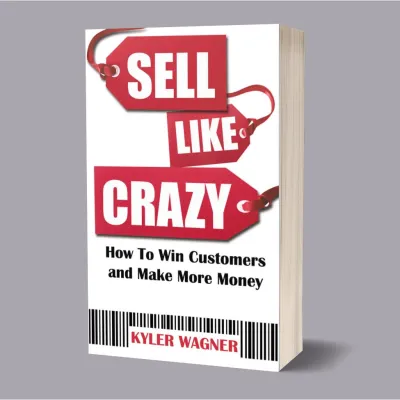

Prices are valid at publication and may change. Please refer to the product page for the latest price.
With a limited budget, focus on high-demand, low-cost categories that appeal to a reliable customer base. Secondhand college textbooks, popular young adult fiction, and contemporary local literature are excellent options for beginners in the Philippines. These categories have a built-in audience of students and avid readers looking for affordable alternatives to brand-new retail editions. Avoid highly specialized academic monographs or niche historical volumes initially, as these books tend to sit on shelves for months before finding a buyer.
To protect your limited capital, apply the “margin of safety” concept popularized by value investing books. In book selling, a margin of safety means assuming your inventory will sell much slower than you hope. Instead of spending your entire budget on one or two expensive books, distribute your capital across ten to fifteen lower-cost titles. This diversification ensures that even if a few books take months to sell, the quick sales of your other titles will keep your cash flowing and prevent your capital from being completely locked up in stagnant stock.
Sourcing Books on a Tight Budget
Acquiring quality inventory at low prices requires patience and a willingness to explore unconventional sourcing locations. Local thrift stores, surplus warehouses, and community garage sales are treasure troves for budget-conscious book sellers. In major urban centers, look for bulk secondhand markets or clearance sales where books are sold by the bundle or by weight. Developing a friendly relationship with local shop owners can also give you early access to newly arrived boxes of books.

When deciding what to buy, evaluate the “opportunity cost” of your capital and time. Sourcing books in bulk at an extremely low per-unit cost might seem like an easy win, but sorting through hundreds of damaged, outdated, or unsellable titles takes valuable time. Alternatively, spending more time curating specific, high-margin editions—such as popular fantasy box sets or current university curriculum guides—often yields a much higher return on investment. Balance your sourcing trips by dedicating a portion of your budget to reliable, fast-moving titles and another portion to high-margin, curated finds.
Before paying for any book, perform a thorough physical inspection to protect your resale margins. Check the binding to ensure no pages are loose or missing, and flip through the book to check for heavy highlighting, ink stains, or torn pages. In the humid tropical climate of the Philippines, pay close attention to signs of water damage, warping, or active mold, which can quickly ruin an entire shelf of inventory. A book in poor condition is incredibly difficult to sell and will likely become dead stock, wasting both your storage space and your initial investment.
Choosing Cost-Effective Sales Channels
To keep your overhead costs as close to zero as possible, select sales channels that do not require expensive monthly subscription fees or high upfront listing costs. Social media community groups, local buy-and-sell forums, and free-to-list online marketplaces are ideal platforms for launching your business. These channels allow you to showcase your inventory directly to active communities of book lovers without committing to long-term financial contracts. Physical pop-up markets or campus student fairs can also be effective, but only if the registration fees are low enough to justify the foot traffic.
When evaluating any sales channel, look beyond the surface and calculate the hidden operational costs associated with each platform. Many online marketplaces charge transaction fees, payment processing fees, or commission percentages on every completed sale. Additionally, you must factor in the cost of packaging materials needed to protect your books during transit. Sturdy cardboard backings, bubble wrap, and waterproof plastic sleeves are essential for protecting shipments from rough courier handling and sudden tropical downpours, and these costs must be factored into your channel selection.
Apply the “lean startup” methodology by testing one primary sales channel before attempting to manage multiple storefronts. Choose the platform where your target audience is most active, list your initial inventory with clear photos and honest condition descriptions, and observe how buyers interact with your listings. This focused approach allows you to master the logistics of customer communication, payment processing, and order fulfillment without feeling overwhelmed. Once you have validated demand and established a smooth workflow on one platform, you can systematically expand to others.
Pricing Books and Managing Cash Flow
To ensure your book-selling venture remains profitable, transition from a casual reader’s mindset to a strict accounting mindset. Start by calculating the true cost of goods sold (COGS) for every single book in your inventory. This figure must include the initial purchase price in ₱, a proportional share of your transportation costs to source the book, cleaning supplies, packaging materials, and any platform transaction fees. If you bought a book for ₱80, spent ₱10 on travel, and used ₱15 worth of packaging, your true cost is ₱105, not just the ₱80 purchase price.
Once you know your true cost, use a basic return on investment (ROI) formula to set a competitive yet profitable retail price. A healthy target for secondhand books is a 30% to 50% markup over your total cost, depending on the book’s condition and demand. For a book with a true cost of ₱105, a 40% markup results in a selling price of approximately ₱147. Research online listings for the same title to ensure your price aligns with current market rates, adjusting your margins slightly if the market is highly competitive.
Managing your cash flow is the single most important factor in keeping your business solvent. Keep a simple digital spreadsheet or a physical ledger to record every single transaction, tracking your daily expenses and sales revenue with meticulous detail. Most importantly, establish a strict boundary between your personal wallet and your business funds. Open a separate digital wallet or a basic bank account dedicated solely to your book business, ensuring that every peso earned from a sale is kept safe and ready to be used for business expenses.
Reinvesting Profits to Grow Your Business
To scale your book-selling business without injecting more of your personal savings, adopt a compound interest mindset. In personal finance, compounding occurs when your earnings generate their own earnings over time. In your business, this means resisting the urge to spend your early profits on personal treats and instead reinvesting 80% to 100% of those earnings back into purchasing more inventory. By consistently turning your profits into new stock, a starting inventory of ten books can naturally grow into fifty, one hundred, or several hundred books over the course of a year.
As your capital pool expands, use your accumulated sales data to diversify your inventory intelligently. Pay close attention to which genres sell the fastest, what authors your customers frequently ask for, and how seasonal events affect demand. For example, you can anticipate a surge in demand for academic textbooks and review guides in the weeks leading up to the start of the school year in August. By aligning your sourcing schedule with these seasonal patterns, you can maximize your sales velocity and keep your capital rotating quickly.
Finally, protect your growing business by establishing a dedicated emergency fund from your profits. Set aside a small percentage of every sale—perhaps 5% to 10%—into a separate reserve account that you never touch for regular inventory sourcing. This fund acts as a financial cushion to cover unexpected business setbacks, such as packages lost by courier services, customer returns, or inventory damaged by unexpected humidity. Having this safety net ensures that a single logistical mishap will not wipe out your entire working capital and force you to close your shop.
Frequently Asked Questions (FAQ)
Do I need a business permit to sell books online in the Philippines?
If you are occasionally selling a few books from your personal collection, your activity is generally considered a casual hobby and does not require formal registration. However, once you transition into sourcing books specifically for resale, operating a regular online storefront, and earning a consistent income, you are legally classified as a sole proprietorship. You should consult the guidelines of your local government unit (LGU) and the Bureau of Internal Revenue (BIR) regarding micro-enterprises, as there are simplified registration processes and tax exemptions designed to support small-scale online sellers.
How do I handle shipping costs when selling secondhand books?
The most straightforward approach for small-scale sellers is to have the buyer cover the shipping fees, which keeps your book prices transparent and competitive. Alternatively, you can offer free shipping to attract more buyers by incorporating the average shipping cost directly into the retail price of the book. To keep shipping costs as low as possible, use lightweight, standardized packaging materials like recycled cardboard wraps instead of heavy boxes, and compare the rates of local courier services to find the most cost-effective option for your region.

Community discussion
Share your experience or ask a question. Comments are reviewed before publication.