
Spotting an original copy of Morgan Housel’s The Psychology of Money when shopping online requires a careful eye for physical details, seller credibility, and printing standards. Because this personal finance guide has become a staple for readers seeking to build better financial habits, counterfeiters frequently target it with low-quality, unauthorized reprints. To ensure you receive a genuine edition, you must look beyond the cover image on your screen and inspect the book’s physical construction, paper quality, and publisher metadata upon arrival, while thoroughly vetting the seller before making a purchase.
Why Counterfeit Finance Books Circulate on E-commerce Platforms
The surge in popularity of personal finance literature among readers looking to secure their financial future has created a highly lucrative market for unauthorized book printers. Titles like The Psychology of Money offer timeless lessons on wealth, making them highly sought-after by students, young professionals, and first-time investors. This massive demand outpaces the immediate stock of authorized local distributors, creating a gap that illicit printing operations exploit.
Furthermore, the decentralized nature of modern online marketplaces allows third-party sellers to set up shop with minimal upfront verification. While major e-commerce platforms have policies against counterfeit goods, the sheer volume of daily listings makes pre-listing enforcement difficult. Consequently, unauthorized sellers can easily upload stock photos of genuine books while shipping cheap, poorly manufactured replicas to unsuspecting buyers.
Products mentioned in this guide


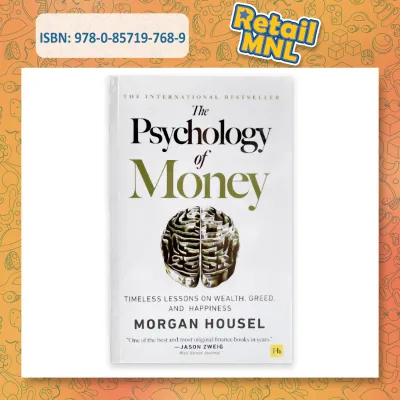


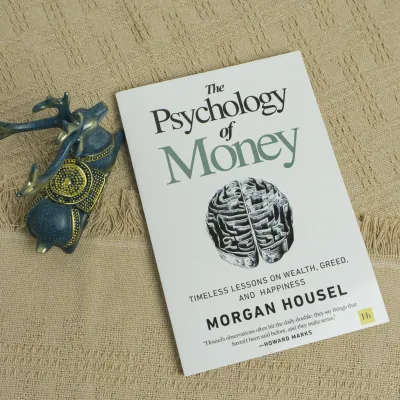

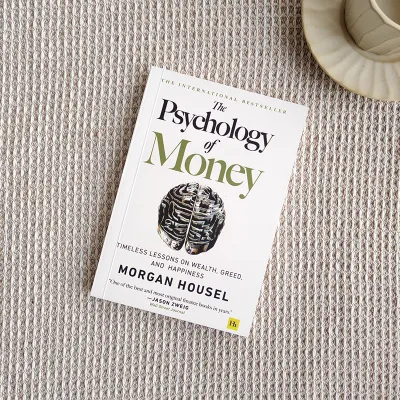
Prices are valid at publication and may change. Please refer to the product page for the latest price.
Purchasing these counterfeit editions does more than just deprive the author and publisher of their rightful earnings; it directly compromises your reading experience. Pirated books are frequently plagued by missing pages, illegible text, misaligned margins, and completely omitted charts or footnotes. In a book focused on financial literacy, missing a crucial data table or an entire explanatory chapter can distort the core lessons of the text.
Physical Signs of a Pirated Copy
When your package arrives, the first line of defense is a thorough visual and tactile inspection of the book’s exterior. Genuine editions of The Psychology of Money feature a high-quality cover finish, typically with a smooth matte texture that feels premium. Counterfeit copies, by contrast, often use cheap, glossy laminates that reflect light harshly and are highly prone to peeling at the corners, especially when exposed to tropical humidity. The colors on a fake cover are also frequently off-key, appearing either overly saturated, blurry, or noticeably faded compared to the crisp, distinct hues of the original design.

Pay close attention to the spine and the overall binding of the book. On an authentic copy, the spine text is perfectly centered, and the binding is flexible yet sturdy, utilizing high-grade adhesive designed to last. Counterfeiters often use cheap, brittle hot-melt glue that hardens quickly; in warm, humid climates, this low-quality adhesive can dry out rapidly, causing the spine to crack and pages to fall out upon the very first reading. If you notice excess glue seeping out of the joints or unevenly cut edges where the cover meets the pages, you are likely holding a fake.
The interior pages offer even more obvious clues regarding the book’s authenticity. Original publishers use high-opacity, cream-colored woodfree paper that prevents text from bleeding through to the other side of the page. Counterfeit versions almost always utilize thin, greyish newsprint or low-grade recycled paper that feels rough, lightweight, and highly translucent. When holding a fake page up to the light, you will easily see the text from the reverse side, making the reading experience incredibly straining. Additionally, look out for smudged ink, uneven margins where text runs off the page, and the complete absence of official publisher logos on the spine or title pages.
Verifying Publisher and Edition Details
Beyond the physical materials, verifying the book’s internal metadata against official publishing records is a reliable way to confirm authenticity. Start by turning to the copyright page, which is usually located within the first few pages of the book. An authentic copy of The Psychology of Money will clearly state the official publisher—such as Harriman House for the standard international English edition—along with correct copyright notices, printing history, and a valid 13-digit International Standard Book Number (ISBN). Counterfeiters often copy this page carelessly, resulting in blurry text, typographical errors, or mismatched publisher details.
Next, examine the barcode printed on the back cover of the book. The barcode must match the 13-digit ISBN listed on the copyright page inside. On genuine copies, this barcode is printed with sharp, high-resolution black lines that scanners can easily read, accompanied by clear price formatting or currency indicators relevant to the publishing region. Fake copies often feature pixelated, poorly printed barcodes that look like low-resolution photocopies, sometimes with incorrect or missing price codes altogether.
Finally, perform a quick structural audit of the book’s contents. Authentic editions follow a strict layout, including a complete table of contents, nineteen chapters, a postscript, and a comprehensive index. Take a moment to flip through the pages to ensure the chapter numbers run sequentially without skipping, and verify that there are no blank pages where content should be. Counterfeit books are notorious for binding errors, where entire signatures are bound upside down, duplicated, or completely omitted.
Evaluating Online Sellers and Product Listings
Preventing a counterfeit purchase starts before you even add the book to your digital cart. When browsing online marketplaces, prioritize purchasing from authorized bookstores, official publisher outlets, or sellers with verified mall badges. These established retailers source their inventory directly from authorized distributors, ensuring that every copy sold is genuine. If you are buying from a third-party reseller, look for indicators of professional operations, such as a high seller rating, a long history on the platform, and active customer engagement.
Be highly skeptical of extreme pricing anomalies. While everyone loves a good discount, high-quality paper, authorized distribution, and licensing fees mean that genuine books have a baseline production cost. If a listing offers The Psychology of Money at a price that is a fraction of what major physical bookstores charge, it is almost certainly a counterfeit. Saving a few pesos is not worth receiving a poorly printed, illegible book that may fall apart within days of arrival.
Before checking out, dive deep into the customer reviews section of the listing, paying close attention to the one-star and two-star ratings. While positive reviews can sometimes be manipulated, negative reviews often contain honest feedback about the product’s actual quality. Look for specific complaints mentioning thin paper, blurry text, missing pages, chemical smells from cheap ink, or suspicious packaging like simple plastic wrap without proper protective boxing. If multiple buyers warn that the book feels like a photocopy, take their advice and find an alternative seller.
Steps to Take If You Receive a Fake Book
If you open your package and realize you have received a counterfeit copy, it is crucial to act quickly to secure a refund and hold the seller accountable. Start by documenting the physical flaws of the book immediately. Take high-resolution photos of the blurry cover, the thin paper, the messy glue binding, and any printing errors inside the text. It is highly recommended to record a continuous unboxing video from the moment you cut open the courier pouch, as this provides indisputable proof of the condition in which the book arrived.
Once you have gathered your evidence, initiate a return or refund request directly through the e-commerce platform’s buyer protection program. Select the appropriate reason for the return, such as “counterfeit item” or “item not as described,” and upload your photos and videos as supporting evidence. Avoid communicating with the seller outside of the official platform channels, as unauthorized sellers may attempt to persuade you to accept a partial refund or close the dispute prematurely.
After securing your refund, report the specific listing and the seller’s shop to the marketplace’s customer support team. Most platforms have dedicated reporting tools for intellectual property violations and counterfeit goods. By reporting these listings, you help clean up the online marketplace, making it safer for other readers who are looking to invest in their financial education with genuine, high-quality books.
Frequently Asked Questions (FAQ)
Can I rely solely on the ISBN barcode to confirm authenticity?
No, you cannot rely solely on the ISBN barcode to verify if a book is genuine. Because an ISBN is a public identifier, counterfeiters can easily copy the exact barcode and copyright details from an authentic copy and print them onto their pirated editions. While a missing or incorrect barcode is a guaranteed sign of a fake, a matching barcode only proves that the counterfeiters copied the cover design successfully. You must always combine the barcode check with a physical inspection of the paper quality, cover finish, and binding.
Are digital or e-book versions immune to piracy?
Digital and e-book versions of The Psychology of Money are not immune to piracy, as unauthorized PDF, EPUB, and MOBI files are widely distributed across online forums, social media groups, and unauthorized marketplaces. These pirated digital files often contain formatting errors, missing chapters, or malicious software hidden within the download links. To ensure you are reading a safe, complete, and authorized digital copy, always purchase your e-books through official digital storefronts, recognized e-reader platforms, or directly from the publisher’s authorized website.

Community discussion
Share your experience or ask a question. Comments are reviewed before publication.