
Starting your financial journey as a young professional or recent graduate can feel both exciting and overwhelming. Balancing an entry-level salary with rising daily expenses, family expectations, and the desire to build a secure future requires practical guidance. Reading a well-structured financial management book is one of the most accessible ways to build this foundation, helping you transition from basic survival budgeting to intentional wealth building.
However, not every personal finance book on the shelf fits your current needs or the local economic landscape. To make your reading time truly productive, you must know how to select books that offer actionable advice for your specific situation. By focusing on foundational principles and learning how to adapt them to local realities, you can build a personalized financial roadmap that works.
How to Choose the Right Financial Book for Your Journey
Selecting the right financial management book requires looking beyond catchy titles and glowing online recommendations. As a beginner, your primary focus should be on readability and jargon density. A book that relies heavily on complex academic terminology or advanced economic theories will likely stall your progress. Look for authors who explain fundamental concepts—such as compound interest, inflation, and liquidity—using clear, everyday language and relatable analogies.
Products mentioned in this guide
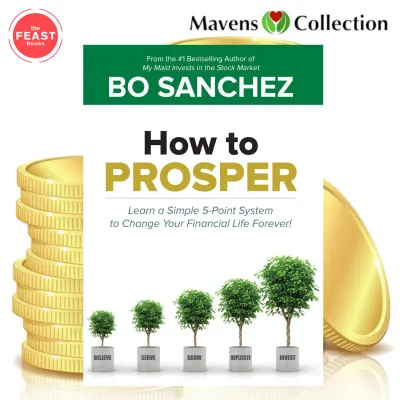
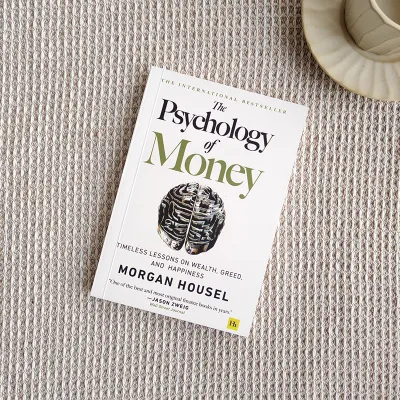


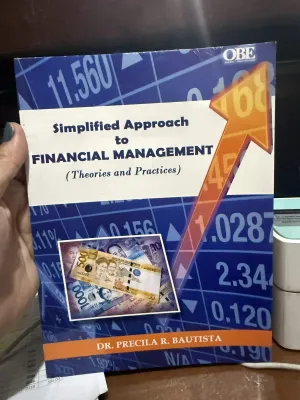
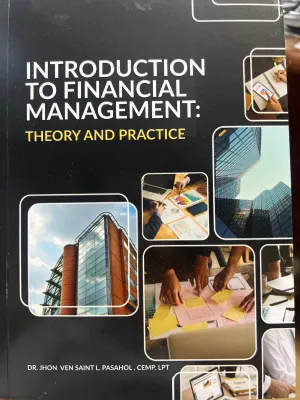
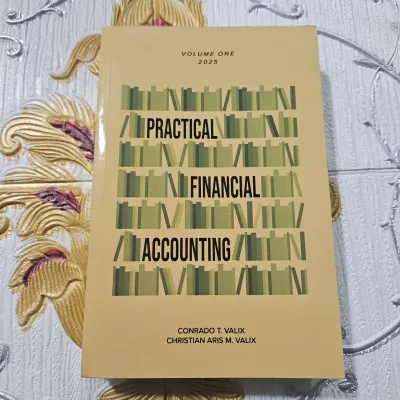
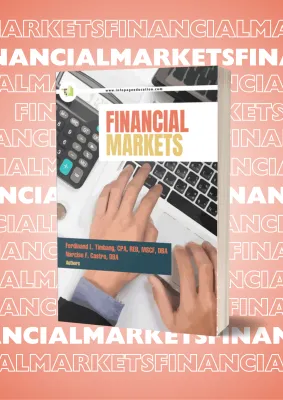
Prices are valid at publication and may change. Please refer to the product page for the latest price.
Another critical factor is the geographic and economic context of the book. Many global personal finance classics are written from the perspective of Western markets, assuming access to specific investment accounts, stable low-inflation environments, and distinct social safety nets. While the psychological principles in these books are universally valuable, the technical steps may not apply directly to your life. You must evaluate whether a book’s practical steps can be translated to local economic conditions, such as local inflation rates and regional banking systems.
Finally, always investigate the author’s background, credentials, and the book’s publication date. Financial landscapes evolve rapidly, especially with the rise of digital banking, mobile e-wallets, and updated tax regulations. An author who is a certified financial planner, an experienced economist, or a dedicated financial educator is more likely to provide reliable, evidence-based advice. Checking the publication or revision date ensures that the investment strategies and regulatory information presented are still accurate and compliant with current laws.
Essential Financial Topics Every Beginner Should Cover
A comprehensive financial education for beginners should cover several core pillars, starting with budgeting and cash flow management. When you are managing an entry-level salary, every peso counts. A good introductory book should teach you how to track your income and expenses accurately, distinguish between wants and needs, and allocate funds for future goals without completely sacrificing your current quality of life.

Debt management and the establishment of an emergency fund form the second essential pillar. High-interest debt can quickly derail your financial progress, making it crucial to learn systematic strategies for debt repayment. Simultaneously, you need to understand how to calculate and build an emergency fund that is kept in a highly accessible, secure account to protect you from unexpected medical expenses, job transitions, or urgent family needs.
Once your budget is stable and your emergency fund is secure, you can transition to learning about investment vehicles and risk assessment. A beginner-friendly book should demystify basic investment options, such as high-yield savings accounts, cooperative deposits, government-backed savings programs, and diversified mutual funds. It should guide you through assessing your personal risk tolerance, helping you understand that higher potential returns always come with higher levels of risk.
Recommended Financial Management Books for Beginners
Building a personal finance library does not mean you need to read dozens of books all at once. Instead, you should select books based on your immediate financial pain points and goals. If you struggle with emotional spending, start with books focused on money psychology; if you want to start investing, look for localized wealth-building guides.
To help you navigate your options, financial books can be broadly categorized into three areas: foundational mindset, practical budgeting, and localized investing. By exploring these categories sequentially, you can build a strong conceptual foundation before moving on to specific, actionable local investment strategies.
Foundational Mindset and Psychology
Before diving into spreadsheets and investment portfolios, it is essential to understand your behavioral relationship with money. Globally recognized classics, such as The Psychology of Money by Morgan Housel, offer invaluable insights into how personal experiences, pride, and ego influence financial decisions. These texts emphasize that doing well with money is less about what you know and more about how you behave, making them excellent starting points for true beginners.
When reading these global classics, you must actively adapt their behavioral concepts to local family dynamics and cultural expectations. In many households, financial decisions are deeply communal, often involving expectations to support extended family members, contribute to household bills, or assist siblings with education costs. Understanding these cultural obligations allows you to apply global lessons on saving and delayed gratification in a way that respects your family relationships without compromising your personal financial security.
Keep in mind that these foundational mindset books intentionally avoid specific investment advice or regional tax details. They are designed to reshape your financial philosophy rather than provide a step-by-step guide to local stock markets. Use them to build healthy financial habits, manage emotional spending, and establish a long-term perspective on wealth accumulation.
Practical Budgeting and Debt Management
Once you have established a healthy financial mindset, you need practical tools to manage your daily cash flow. Look for practical workbooks or guides that focus on structured budgeting systems, such as zero-based budgeting or the traditional envelope system. These methods force you to give every peso a specific job, preventing mindless spending and helping you identify areas where you can cut back to accelerate your savings.
In today’s financial environment, you should consider how these traditional budgeting methods translate to modern digital banking and local e-wallets. Many modern financial guides explain how to set up multiple digital bank accounts to act as virtual envelopes, allowing you to automate your savings and separate your spending money from your bill payments. This digital transition makes budgeting highly efficient and reduces the physical temptation of carrying cash.
When purchasing budgeting guides, always check for updated editions that address modern digital tools and current economic realities. A book written before the widespread adoption of mobile banking apps may offer advice that feels tedious or impractical for a young professional who primarily uses cashless transactions. Look for resources that help you navigate online transfer fees, digital security, and automated savings features.
Localized Investing and Wealth Building
To transition from saving to active wealth building, you must seek out resources specifically tailored to the local financial landscape. Books written by recognized local financial educators, registered financial planners, or established local authors are invaluable because they address the exact financial products, institutions, and laws you will encounter. These guides explain how to navigate local investment platforms, open accounts, and understand regional market volatility.
When reading localized investment books, it is crucial to verify the publication year to ensure compliance with current tax laws and investment regulations. For instance, tax reform laws can significantly alter the tax rates on interest income, capital gains, and corporate investments. Relying on an outdated book might lead to incorrect assumptions about your net investment returns or cause compliance issues when filing your taxes.
Additionally, maintain a critical mindset and warn yourself against books that promise guaranteed high returns, promote unregulated investment schemes, or lack clear risk disclosures. Legitimate financial educators will always emphasize that all investments carry risk and that building wealth takes time. Avoid any resource that presents investing as a quick way to get rich, and instead focus on books that teach diversified, long-term wealth-building strategies.
How to Apply Global Financial Concepts in the Philippines
Translating universal financial principles into actionable local steps requires a clear understanding of the local economic environment. For example, while foreign financial books often recommend keeping three to six months of living expenses in an emergency fund, local realities may require a more conservative approach. Given the limited public healthcare coverage and the potential for sudden economic or environmental disruptions, building a larger emergency fund—or maintaining a separate family medical fund—is often necessary to ensure true financial security.
Similarly, you must learn to translate foreign retirement terms into their local equivalents. When a global book discusses a 401(k) or an Individual Retirement Account (IRA), you should look toward local systems such as the Social Security System (SSS), the Government Service Insurance System (GSIS), and the Personal Equity and Retirement Account (PERA). Understanding how these local retirement systems function, along with voluntary government savings programs like the Pag-IBIG MP2, allows you to build a robust retirement portfolio using accessible local instruments.
Finally, you must navigate local tax implications and reporting requirements, especially if you plan to start a side hustle or invest in diverse assets. Different investment types, such as local stocks, mutual funds, and high-yield bank deposits, are subject to specific withholding taxes that affect your actual take-home returns. If you earn income from freelance work or a small business, learning how to register with the Bureau of Internal Revenue (BIR) and file your taxes correctly is essential to avoid costly penalties and build a legitimate, sustainable financial future.
Where to Buy and What to Check Before Purchasing
When you are ready to purchase a financial management book, it is important to source it from authorized and reputable sellers. You can find a wide selection of personal finance titles across major physical bookstores, authorized online bookstores, and official digital publishing platforms. Purchasing from official channels ensures that you receive complete, high-quality content while directly supporting the authors and publishers who create these educational resources.
Before finalizing your purchase, carefully verify the book’s language, edition, and content completeness. Unregulated online marketplaces often host unauthorized, poorly printed, or abridged versions of popular financial books, which may contain missing pages, outdated data, or misleading translations. Checking the publisher’s details and reading verified customer reviews can help you confirm that you are buying an authentic, unabridged edition.
If you prefer digital reading or listening, pay close attention to device compatibility and regional restrictions. Ensure that e-books are in standard, compatible formats (such as EPUB or official PDF) that work seamlessly with your e-reader, tablet, or smartphone. For audiobooks, verify that the platform does not have region locks that prevent playback in your location, and always confirm that the seller is an authorized digital distributor before making a payment.
Frequently Asked Questions (FAQ)
Do I need to read these books in a specific order?
While there is no single mandatory reading order, starting with mindset and behavioral finance books is highly recommended for beginners. Understanding your relationship with money and building healthy saving habits provides the necessary foundation for practical budgeting. Once you have successfully established a budget and built an emergency fund, you can logically transition to books that focus on localized investing and long-term wealth building.
Are foreign financial books useful if I live in the Philippines?
Yes, foreign financial books are incredibly useful for understanding universal principles, such as the power of compound interest, the psychology of spending, and the importance of diversification. However, you should rely on them primarily for mindset and general theory. For specific investment vehicles, tax laws, retirement planning, and local regulatory compliance, you must supplement your reading with localized financial guides written specifically for the local market.
How often should I update my financial reading list?
It is wise to update your financial reading list every few years or whenever you transition into a new life stage, such as starting a new career, getting married, or planning for a family. Economic conditions, tax laws, and digital financial tools change constantly, making it necessary to seek out updated editions or new titles. Regularly refreshing your reading list ensures that your financial strategies remain aligned with current market realities and your personal long-term goals.
Community discussion
Share your experience or ask a question. Comments are reviewed before publication.