
Building a physical media collection of classic Philippine cinema offers a unique connection to the country’s rich storytelling heritage. While modern streaming platforms provide instant access to select titles, many beloved films from the golden eras of local cinema remain locked in legacy physical formats. Video CDs, or VCDs, represent a highly specific and nostalgic window of home entertainment that dominated households from the late 1990s through the mid-2000s. For collectors, sourcing these double-disc releases is not just about nostalgia; it is often the only way to watch rare, un-restored, or out-of-print films that have not transitioned to digital streaming or high-definition physical formats. Finding the best classic Filipino movies on VCD requires a blend of historical appreciation, technical understanding of the format, and careful physical inspection of vintage discs.
Why Collect Classic Filipino Movies on VCD?
VCDs hold a distinct place in the history of media consumption in the Philippines. Introduced as a more affordable and compact alternative to VHS tapes, the format democratized home viewing across the archipelago. Owning a physical VCD copy of a classic film provides a tactile experience that digital files cannot replicate. The jewel cases, the double-disc layouts, the colorful cover art, and the printed inserts evoke a specific era of weekend movie rentals and family film nights. For many, the physical act of opening a case, inserting a disc, and even getting up halfway through the movie to switch from Disc 1 to Disc 2 is an essential part of the vintage viewing experience.
From a technical standpoint, VCDs utilize MPEG-1 compression, which delivers video at a standard resolution of 352×240 pixels for NTSC or 352×288 for PAL. The audio is typically compressed stereo. While these specifications are far below modern high-definition standards, they offer a distinct aesthetic. The soft, slightly grainy video and warm, analog-like audio compression carry a unique charm that matches the gritty texture of 1970s social realism or the vibrant, saturated colors of 1990s romance films.
Products mentioned in this guide

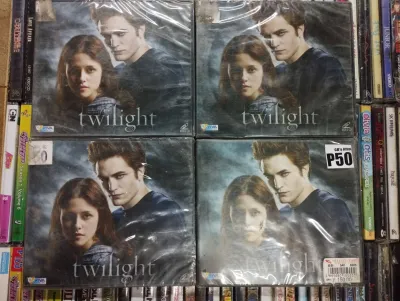
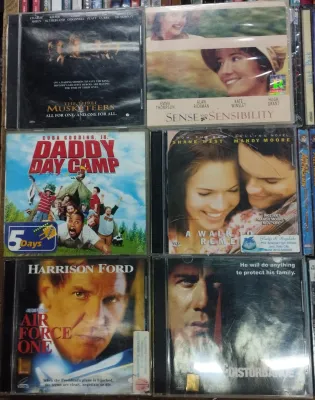
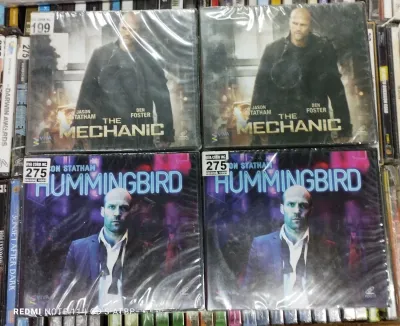
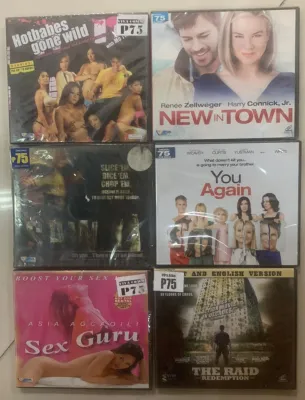
Prices are valid at publication and may change. Please refer to the product page for the latest price.
Furthermore, collecting VCDs is a practical preservation effort. A significant portion of Philippine cinema history has not been digitally restored or uploaded to modern streaming services. In many cases, the commercial VCD release from the early 2000s remains the final surviving consumer copy of a film. By collecting and preserving these discs, physical media enthusiasts help keep these cinematic works alive. To enjoy them, you will need compatible hardware. Fortunately, most standard DVD and Blu-ray players maintain backward compatibility with VCDs, and dedicated vintage VCD players or computer optical drives can also read the format easily.
Criteria for Evaluating Classic Films for Your Collection
When building your collection, you must establish clear criteria to separate common, easily accessible releases from truly significant cinematic treasures. The first criterion is historical and artistic significance. Look for films directed by celebrated filmmakers, such as National Artists for Cinema, or works that marked pivotal turning points in local film history. Award-winning dramas, groundbreaking horror films, and culturally impactful comedies deserve priority. These films represent the peak of local storytelling and offer the most rewarding viewing experiences.

The second, and perhaps most critical, criterion is the physical condition of the media. Because VCDs are legacy items that have often passed through multiple owners, they are highly susceptible to wear and tear. Inspect the data side of each disc under a bright, direct light source. While light hairline scratches may not affect playback, deep, circular scratches can cause the laser to skip or freeze entirely. Additionally, look out for “disc rot” or bronzing, a chemical deterioration of the reflective layer that appears as dark spots, cloudiness, or a bronze discoloration. Discs with advanced disc rot are generally unplayable and cannot be repaired.
Finally, verify the completeness of the release. Because of the storage limits of the VCD format, almost all feature-length films require at least two discs. Always open the case to ensure both Disc 1 and Disc 2 are present and match. A missing second disc renders the set incomplete and frustrating to watch. Original packaging, including the outer cardboard slipcase, lyric sheets, promotional inserts, and intact jewel cases, significantly increases the collector value and historical completeness of the item.
Essential Genres and Eras of Philippine Cinema to Explore
To build a well-rounded collection, focus on the distinct eras and genres that defined the local film landscape during the height of the VCD era. The first area to explore is the era of social realism and intense drama from the late 1970s and 1980s. These films often feature powerful performances, sharp screenplays, and raw depictions of everyday struggles. Finding these masterpieces on VCD allows you to experience the gritty, atmospheric cinematography as it was presented to home audiences decades ago.
The second major category is the golden age of mainstream romantic comedies and family dramas from the 1990s to the early 2000s. This era was characterized by star-studded ensembles, memorable theme songs, and highly polished studio production values. These films were the backbone of the local home video market, and their VCD releases are highly nostalgic. They capture the fashion, music, and cultural zeitgeist of the turn of the millennium, making them incredibly popular among collectors who grew up during this period.
Lastly, do not overlook the classic action epics, fantasy adventures, and iconic comedy franchises. The 1980s and 1990s saw a massive output of high-octane action films featuring legendary local stars, characterized by elaborate stunts, practical special effects, and dramatic standoffs. Similarly, fantasy films and holiday comedy franchises offer a colorful, imaginative look at local folklore and humor. These genres translate exceptionally well to the soft, nostalgic look of the VCD format, providing a fun and highly entertaining viewing experience.
How to Source and Verify Authentic VCDs
Sourcing vintage VCDs requires patience and a bit of detective work. Since these discs are no longer in active production, you must look to the secondary market. Local thrift stores, surplus shops, and garage sales are excellent physical locations to search through dusty bins of media. For a more targeted search, online marketplaces and specialized social media collector groups dedicated to physical media are invaluable. These communities often feature passionate collectors buying, selling, or trading rare titles.
When sourcing, avoiding counterfeit or pirated copies is a major challenge. During the height of the VCD era, unauthorized bootlegs were incredibly common. To verify authenticity, inspect the packaging and the disc itself. Legitimate studio releases from major local distributors feature high-quality, professional printing on the cover art and the disc face. Look for official publisher logos, copyright notices, and holographic security stickers on the case. On the data side of the disc, check the inner ring for matrix codes and mastering SID codes, which indicate the disc was pressed at an authorized manufacturing plant rather than burned on a home computer.
When purchasing from online sellers, communication is key. Always ask for clear, high-resolution photos of both the front and back of the discs, as well as the packaging. If possible, ask the seller to verify that the discs play through without skipping. Reliable sellers in physical media groups are usually happy to provide these details to ensure a smooth transaction. Expect to pay anywhere from ₱50 for common titles in thrift stores to several hundred pesos for rare, out-of-print collector items in pristine condition.
Preserving and Maintaining Your VCD Collection
Once you have acquired these classic films, proper preservation is essential to ensure they remain playable for years to come. The tropical climate of the Philippines presents unique challenges for physical media preservation. High humidity and heat can accelerate disc degradation and encourage the growth of mold or fungus on both the paper inserts and the plastic discs. Store your VCD collection in a cool, dry room away from direct sunlight. Keep the discs stored vertically in their original jewel cases rather than stacking them horizontally, as stacking can put uneven pressure on the discs over time.
If you notice dust, fingerprints, or light smudges on a disc, clean it using safe, non-abrasive methods. Always use a clean, dry microfiber cloth. When wiping a VCD, move the cloth in straight, radial lines from the center hub of the disc outward to the edge. Never wipe in a circular motion, as circular scratches can align with the laser track and cause permanent playback errors, whereas radial scratches are easier for the player’s error-correction system to bypass. For stubborn grime, use a mild, disc-safe cleaning solution or a tiny drop of water, and dry the disc completely before playing or storing it.
If a disc is severely scratched or suffers from advanced disc rot, accept its limitations. Attempting to play a heavily warped or physically damaged disc can put unnecessary strain on your player’s optical laser or even cause physical damage to the drive mechanism. Knowing when to retire a disc to display-only status is an important part of responsible collecting.
Frequently Asked Questions (FAQ)
Can I play Philippine VCDs on modern Blu-ray or DVD players?
Yes, most modern Blu-ray and DVD players are backward compatible with the VCD format. Because VCDs use the standard MPEG-1 codec, these players can easily decode the video and audio signals. However, you should check your specific player’s user manual to confirm compatibility, as some ultra-modern or highly specialized media players may have phased out support for legacy CD-based video formats. Additionally, VCDs do not have regional coding restrictions like DVDs or Blu-rays, meaning a VCD purchased in the Philippines will play on compatible hardware anywhere in the world.
How do I know if a VCD is an original release or a pirated copy?
Original, studio-authorized VCDs can be identified by several distinct physical markers. Legitimate releases feature professionally printed disc faces with clear, sharp text and official studio branding. The data side of an authentic disc is typically silver or light gold, whereas pirated copies often use recordable CD-Rs, which have a distinct blue, green, or dark purple tint on the recording surface. Furthermore, original releases almost always feature a matrix number and manufacturer information stamped into the plastic on the inner ring of the disc’s data side.

Community discussion
Share your experience or ask a question. Comments are reviewed before publication.