
Selecting the right bass guitar pick is a balancing act between physical resistance, tonal control, and ergonomic comfort. Unlike standard electric guitars, a bass guitar utilizes significantly thicker, heavier strings that require a deliberate physical force to set into motion. The pick you choose acts as the direct bridge between your hand and these high-tension strings, meaning its thickness and material composition will fundamentally shape your instrument’s volume, attack, and overall tonal character. By understanding how different physical properties interact with heavy-gauge strings, you can select a pick that enhances your playing style while minimizing hand fatigue.
Understanding How Pick Thickness Affects Bass Tone and Playability
Pick thickness, measured in millimeters, dictates how much the pick flexes. For bassists, this determines whether the pick yields to the heavy string or forces the string to yield to the pick.
Thin picks (under 0.80 mm) offer high flexibility. When striking a heavy bass string, the material bends significantly, absorbing the initial impact. This results in a brighter, snappier attack with less low-end power, as the pick cannot transfer full energy to the string. Thin picks suit players who prefer light strumming or fast, low-resistance chordal passages, but they struggle to produce the deep thump required for traditional basslines.
Products mentioned in this guide
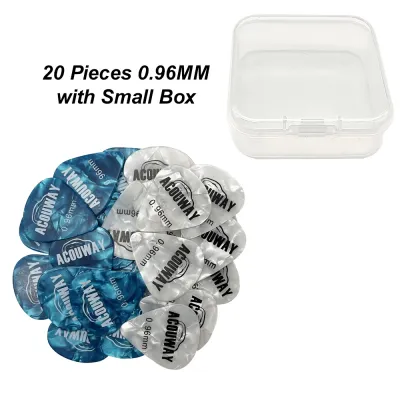

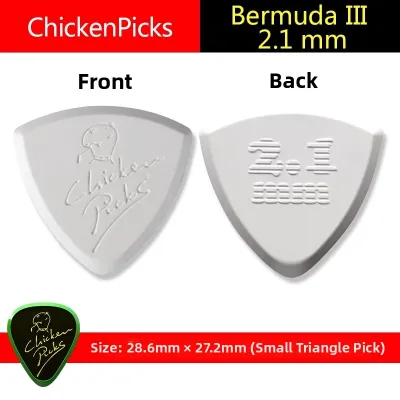
![[ammoon]3Pcs Guitar Picks Musical Instrument Accessories for Electric Guitar Bass (Heavy)](https://img.lazcdn.com/g/p/ca4e1c04d0860ca9c2da7ec09da8caab.jpg_400x400q80.jpg_.webp)
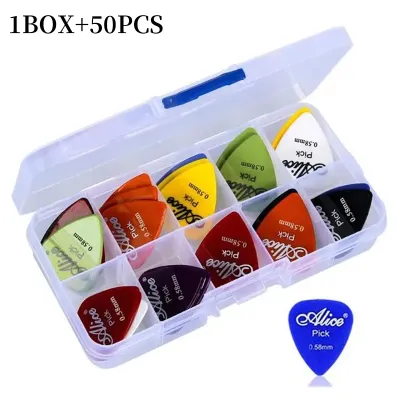
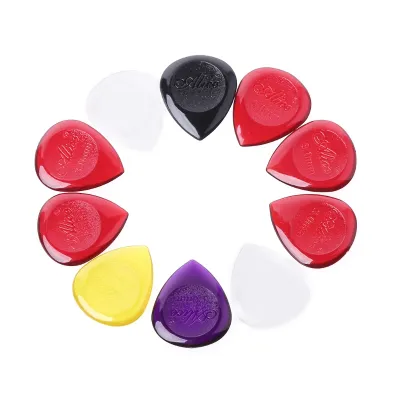


Prices are valid at publication and may change. Please refer to the product page for the latest price.
Thick picks (1.20 mm to 2.0 mm or more) provide the rigidity needed to move heavy strings with minimal effort. Because they do not bend, they transfer the force of your stroke directly into the string, resulting in a warmer, fuller tone with robust low-end frequencies. This rigidity is essential for aggressive picking, heavy palm muting, and fast runs where pick flex would introduce latency. For genres demanding a consistent, powerful low-end foundation, a thicker pick is the practical choice.
Medium picks (0.80 mm to 1.20 mm) serve as a balanced middle ground. They offer enough flex for a comfortable tactile response while retaining sufficient stiffness to drive the string. For beginners or players transitioning from fingerstyle, a medium pick acts as an excellent baseline to explore both bright attacks and warm notes without committing to extremes.
Beyond thickness, the edge bevel and tip shape dictate how a pick glides across strings. A rounded, blunt edge creates more surface contact, producing a warmer tone but increasing friction. Conversely, a molded bevel or sharp tip reduces drag, allowing the pick to release from the string quickly. This design detail is highly beneficial for reducing string crossing resistance during complex basslines.
Evaluating Pick Materials for Your Bass Playing Style
The material of a bass pick determines its hardness, surface texture, and wear rate. Different materials produce distinct acoustic profiles and physical feedback, making material selection as critical as thickness.

Common polymers dominate the market. Celluloid is a traditional material known for its smooth texture and warm, vintage acoustic response, though it wears quickly under heavy bass strings. Nylon is highly flexible and durable, producing a softer, warmer attack with less high-frequency click. Delrin and Tortex offer a matte, chalky texture that provides a reliable grip and a bright, snappy attack with notable durability. To verify these material traits, always check the manufacturer’s specifications on the packaging rather than relying on visual guesswork.
Non-traditional materials offer extreme tonal outputs with specific trade-offs. Metal picks produce a bright, metallic attack but carry a high risk of accelerating string wear. Wood picks provide an organic, earthy tone with a soft attack, but they are often thick and can split under heavy playing. Acrylic and stone picks offer absolute rigidity and a clear, glassy attack, but their lack of flex can transfer impact shock directly to your hand joints. Approach these materials with caution and use them only for specific tonal needs.
Surface texture is a vital consideration, particularly in warm, humid tropical climates like the Philippines. High humidity quickly leads to hand sweat, causing smooth picks to slip or rotate. Matte finishes, raised molded grids, or specialized grip coatings significantly improve holding stability during long playing sessions. Choosing a pick with an engineered grip surface reduces the physical effort required to hold the pick, preventing hand cramping.
When evaluating materials, remember the limits of brand marketing. A brand name does not guarantee a specific performance level. Instead, rely on physical grip tests, material hardness ratings, and product specifications to confirm whether a pick material matches your physical needs.
Step-by-Step Guide to Selecting and Testing Your Bass Pick
To find the pick that complements your playing, establish a systematic testing workflow. This process isolates the pick as the sole variable, allowing you to make an objective decision based on physical feedback and tonal clarity.
To prepare for your test, ensure your equipment setup remains completely consistent. Use the same bass guitar, keep your amplifier and pedal settings identical, and ensure your strings are in a consistent state of wear. Changing your EQ settings or switching instruments mid-test will mask the subtle tonal differences produced by different picks.
Begin your testing steps by playing a simple, repetitive bassline using alternate picking. Focus on how easily the pick clears the string on both downstrokes and upstrokes. Next, transition to palm muting, observing how the pick’s rigidity affects the thump and decay of the muted notes. To simulate fingerstyle dynamics, try playing softer, dynamic passages to see if the pick can produce a warm, rounded tone. Finally, execute rapid string crossings to evaluate how much drag the pick creates across different string gauges.
Evaluate each pick based on four criteria: string crossing resistance, grip fatigue, attack definition, and initial edge wear. String crossing resistance should feel smooth; if the pick catches on the strings, it may be too thick or lack a proper bevel. Grip fatigue is a critical indicator of ergonomic suitability—if your hand cramps quickly, the pick may be too small or smooth, forcing you to pinch too tightly. Attack definition refers to the clarity of the note’s initial strike, which should sound distinct without being muddy. Lastly, inspect the pick’s edge after a standardized ten-minute practice routine to check for rapid wear.
Be prepared to stop and adjust your choice immediately if you experience physical discomfort. If you feel joint pain in your thumb or wrist, or notice abnormal string friction that disrupts your timing, halt the test. These are clear signs that the pick’s thickness or material is mismatched with your playing technique. Switch to a more flexible material or a different thickness until the physical strain disappears.
Maintaining and Knowing When to Replace Your Bass Picks
Like strings, bass picks are consumable items that degrade with use. Establishing a routine for inspecting and maintaining your picks ensures your tone remains consistent and prevents damage to your strings.
Perform regular visual and tactile inspections of your picks. Run your thumb along the edges to feel for frayed plastic, microscopic chips, or sharp burrs. Look closely at the tip to see if it has become excessively rounded or asymmetrical. If your pick features a grip coating, check for peeling or smoothing. Any of these physical changes will alter how the pick releases from the string, directly impacting playability.
The lifespan of a pick varies depending on the material and your playing intensity. Soft materials like nylon and celluloid wear down faster than dense polymers like Delrin or Tortex. If you play aggressive genres with heavy downstrokes, you will consume picks at a higher rate than a player using a light touch. Tracking how quickly your preferred material degrades helps you anticipate when to restock.
Execute a replacement immediately when you observe key performance triggers. If your bass tone begins to sound noticeably dull, or if you hear an unwanted scraping noise as the pick crosses the strings, the pick’s edge has likely degraded. Furthermore, if the surface has worn smooth, causing frequent slippage, it is time to discard the pick and transition to a fresh one.
To maximize the lifespan of your picks, store them under stable conditions. Keep them dry and away from extreme heat, which is especially important in tropical environments where high temperatures can warp thin plastics or cause celluloid to become brittle. A simple pick pouch or a small container kept inside your instrument case will protect your picks from environmental degradation.
Frequently Asked Questions (FAQ)
Can I use standard guitar picks for playing bass?
While you can technically use a standard guitar pick for temporary practice, it is not ideal for regular bass playing. Standard guitar picks are typically smaller, providing less surface area for your fingers to grip securely against the high tension of bass strings. This lack of grip stability often leads to hand fatigue and pick slippage. Additionally, thin guitar picks lack the structural rigidity required to drive heavy bass strings, resulting in a weak, thin tone and causing the pick to wear down or snap prematurely. A standard pick is acceptable for casual practice, but a dedicated, thicker bass pick is highly recommended for live performance or recording to ensure consistent tone.
Does pick shape matter as much as thickness and material?
Yes, pick shape is a crucial factor that works in tandem with thickness and material to define your playing experience. The sharpness of the pick’s tip directly influences your attack definition; a sharp, pointed tip provides clear articulation and a bright, immediate release, whereas a rounded tip produces a warmer, mellower attack. Multi-tip and ergonomic shapes, such as large triangles or teardrop designs, offer distinct advantages. Triangular picks provide three identical playing corners, extending the pick’s lifespan, and offer a larger surface area that is easier to grip. Teardrop shapes allow for precise, compact movements close to the strings. When choosing a pick, balance the shape with your preferred thickness and material to create a combination that matches both your tonal goals and physical hand movements.

Community discussion
Share your experience or ask a question. Comments are reviewed before publication.