
Finding the right Roland 88-key digital piano requires matching the instrument’s keyboard action, polyphony, and physical design to your current playing ability and practice goals. For beginners, the primary focus should be on acquiring an instrument with authentic weighted keys and straightforward connectivity to build proper finger strength and technique. Intermediate players generally require higher polyphony and more expressive sound engines to handle complex classical or contemporary pieces. Advanced or gigging musicians typically need stage-ready portability, extensive physical controls, and professional input/output options for live performances. Because product lineups and specific features evolve, it is essential to verify exact model specifications against current official catalogs and authorized dealer listings before making a purchase.
Identifying Your Current Skill Level and Practice Goals
To make an informed investment, you must first evaluate where you stand on your musical journey. Beginners are typically focused on learning basic hand coordination, reading sheet music, and developing fundamental finger strength. At this stage, a digital piano should serve as a reliable, distraction-free tool that closely mimics the feel of a traditional acoustic piano.
Intermediate players, on the other hand, are beginning to explore complex dynamics, rapid note repetitions, and extensive use of the sustain pedal. If you are playing intermediate classical pieces, jazz standards, or pop arrangements that require nuanced expression, your instrument must be capable of translating subtle changes in your touch into realistic tonal variations.
Products mentioned in this guide
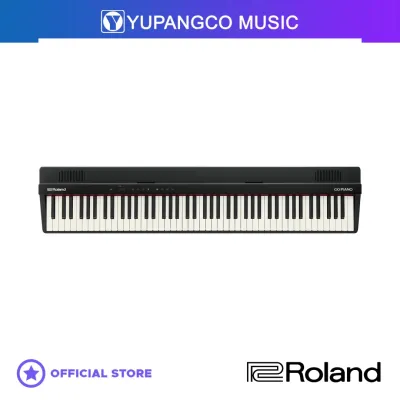
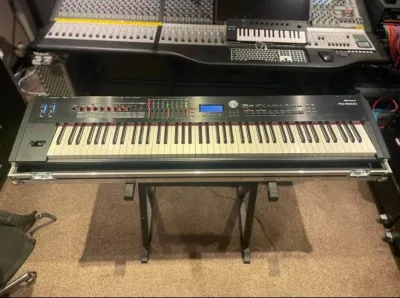
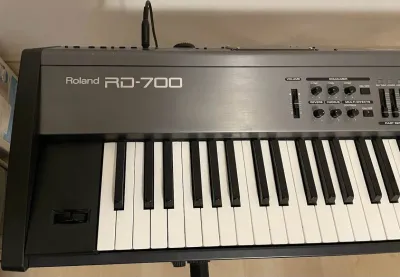
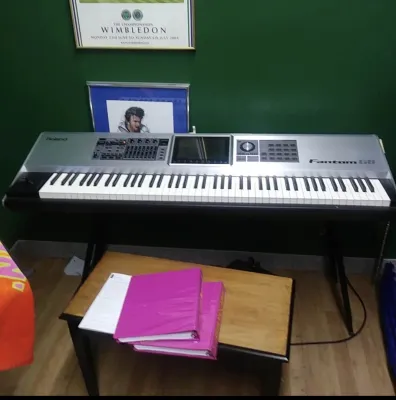
Prices are valid at publication and may change. Please refer to the product page for the latest price.
Advanced pianists and stage performers require the highest level of tactile feedback and sound customization. If you perform live, record in a studio, or practice advanced repertoire, you will need an instrument that offers precise key sensors, customizable acoustic parameters, and seamless integration with external sound systems.
Beyond skill level, physical space and environmental factors play a major role in your decision. In the Philippines, high relative humidity and tropical temperatures can affect musical instruments over time. While digital pianos are far more resilient than acoustic pianos, placing a large furniture-style cabinet in a room without climate control requires careful consideration. If you live in a compact condominium or rent an apartment where space is limited, a portable slab-style digital piano that can be stored away or placed on a folding stand is often more practical than a heavy, fixed cabinet.
Finally, consider your daily practice environment. If you live in a dense urban neighborhood or share a household, essential features like dual headphone jacks allow for quiet practice at any hour without disturbing others. Built-in metronomes, basic recording functions, and wireless connectivity can also significantly enhance your daily practice sessions by keeping you engaged and helping you track your progress.
Key Specifications to Compare Across Roland 88-Key Models
When comparing different models, understanding the technical specifications listed on official spec sheets will help you look past marketing jargon. The first and most critical specification is the keyboard action. Roland utilizes several types of weighted actions across their 88-key range, such as the PHA-4 Standard, the PHA-50, and hybrid wooden-key actions. The PHA-4 action features a simulated ivory feel and escapement, which replicates the slight “click” felt when pressing an acoustic piano key gently. Higher-end actions, like the PHA-50, combine wood and molded materials to provide the organic weight of an acoustic key with the durability of modern composites—a crucial factor in humid tropical climates where solid wood keys might warp if not properly maintained.

Polyphony is another vital metric, representing the maximum number of individual notes or voices the piano can produce simultaneously. When you play a fast run of notes while holding down the damper pedal, each note continues to ring out. If an instrument has low polyphony, older notes will be cut off abruptly to make room for new ones. Entry-level models typically offer 64 or 128 notes of polyphony, which is perfectly adequate for beginners. Intermediate and advanced models often feature 256-note polyphony or even unlimited polyphony for their primary acoustic piano sounds, ensuring that complex, sustained passages sound rich and natural.
The underlying sound engine technology determines how realistic the piano sounds. Standard digital pianos use sampling, which plays back high-quality recordings of acoustic grand pianos. Roland’s SuperNATURAL technology combines sampling with modeling to create smoother transitions between soft and loud notes. Advanced models utilize pure physical modeling, which calculates the complex acoustic interactions of strings, soundboards, and cabinets in real time. This modeling technology provides a highly responsive playing experience, though it may require a larger investment.
Lastly, evaluate the physical connectivity options. Standard USB-to-Host ports allow you to send MIDI data to a computer or tablet, while USB-to-Device ports let you save recorded performances to a flash drive. Bluetooth connectivity is increasingly common, allowing you to stream audio from your phone through the piano’s speakers or send MIDI data to learning apps. For live performance or home studio recording, dedicated line outputs (such as 1/4-inch jacks or balanced XLR outputs) are essential for connecting to external amplifiers, mixing consoles, or audio interfaces without losing signal quality.
Matching Roland Product Lines to Your Playing Ability
Roland categorizes their 88-key digital pianos into distinct product lines designed for specific use cases. The portable FP series is highly versatile, offering slab-style instruments that fit well in small spaces and are easy to transport. The HP and LX series represent premium home digital pianos, featuring elegant furniture-style cabinets, multi-speaker sound systems, and advanced key actions designed to replicate the experience of playing an upright or grand piano. For performing musicians, the RD series consists of dedicated stage pianos that prioritize real-time sound control, rugged durability, and professional connectivity over built-in speakers. To find the most current models within these series, always verify availability and exact feature sets on the manufacturer’s official website or through authorized retail partners in the Philippines.
Entry-Level and Beginner Models
For those just starting out, entry-level models focus on providing a solid foundation without overwhelming the player with unnecessary features. The primary requirement for a beginner instrument is a fully weighted 88-key keyboard that teaches proper finger technique and hand strength. These models typically feature a streamlined selection of high-quality acoustic piano tones, a built-in metronome, and basic headphone outputs for silent practice.
To keep these instruments accessible and portable, manufacturers often make trade-offs in other areas. Entry-level models usually feature smaller, less powerful built-in speaker systems, which are perfectly fine for bedroom practice but may lack the deep bass response of larger cabinet models. Additionally, these instruments offer limited sound customization options and fewer non-piano instrument sounds, encouraging beginners to focus on their core playing technique rather than digital effects.
Intermediate and Home Practice Models
As your playing skills progress, you will likely outgrow the limitations of an entry-level instrument and require a digital piano that supports greater dynamic expression. Intermediate models offer upgraded keyboard actions with more sensitive key sensors, allowing for a wider range of volume and tonal color. They also feature higher polyphony counts to handle complex pedaling and multi-track recording capabilities that let you layer different instrument sounds or record your practice sessions for self-evaluation.
At this stage, you must also decide between a portable setup and a dedicated home console. Portable intermediate models can be paired with matching wooden stands and three-pedal units to mimic a traditional piano while remaining relatively easy to move. Alternatively, fixed furniture-style cabinets provide a highly stable playing platform, integrated pedal boards that won’t slide across the floor, and larger acoustic cabinets that naturally enhance the resonance and projection of the built-in speakers.
Advanced, Stage, and Professional Models
Advanced pianists and working musicians require instruments built for the rigors of live performance and professional studio work. These top-tier models prioritize physical control, featuring dedicated knobs, sliders, and wheels that allow you to adjust volume levels, layer sounds, and apply effects on the fly during a performance. They are designed without built-in speakers to keep the chassis as lightweight and portable as possible, as they are intended to be plugged into external sound systems.
Professional stage pianos also feature balanced XLR outputs, which deliver a clean, noise-free signal over long cable runs to a venue’s mixing board. When selecting a professional model, it is crucial to verify its compatibility with your existing external amplifiers, keyboard stands, and stage monitoring equipment. Because these instruments do not produce sound on their own, investing in high-quality headphones or a dedicated keyboard amplifier is necessary to fully appreciate their advanced sound engines.
Decision Framework: Which Model Should You Buy?
To finalize your decision, consider which of the following profiles best matches your current situation and goals:
- Choose a portable FP-series model if you are a beginner or intermediate player with limited space, need an instrument that can be easily stored, or want a highly capable piano that fits a moderate budget.
- Choose an HP or LX-series cabinet model if you want a permanent, elegant instrument for your living room, prioritize a powerful built-in speaker system, and want the closest possible approximation of an acoustic piano's touch and appearance.
- Choose an RD-series stage piano if you are a gigging musician, keyboardist in a band, or studio producer who requires extensive real-time sound editing, physical control interfaces, and professional line outputs.
Before making your final purchase, go through this essential pre-purchase checklist:
- Verify authorized dealers in the Philippines to ensure you are purchasing a genuine product covered by an official local warranty.
- Check current retail prices in ₱, keeping in mind that promotional bundles (which may include a stand, bench, or headphones) can offer better overall value than buying the keyboard alone.
- Review the local warranty terms, as electronic instruments can be sensitive to power surges or environmental factors, making reliable local service support invaluable.
- Confirm power plug compatibility and voltage requirements, ensuring the included AC adapter is rated for the standard 220V electrical outlets used in the Philippines.
Whenever possible, visit a physical showroom to test the keyboard action in person. The weight, texture, and responsiveness of a digital piano’s keys are highly subjective, and spending even fifteen minutes playing a model in person can provide far more clarity than reading technical specifications online.
Frequently Asked Questions (FAQ)
Do I need a weighted 88-key keyboard as a beginner?
Yes, starting with a fully weighted 88-key keyboard is highly recommended for anyone serious about learning the piano. Acoustic pianos use a system of hammers and strings, which creates physical resistance when a key is pressed. A fully weighted digital keyboard simulates this hammer action, allowing beginners to develop the necessary finger strength, hand endurance, and muscle memory. If you practice on a non-weighted or semi-weighted keyboard, your fingers will not adapt to the physical demands of an acoustic instrument. This makes it incredibly difficult to transition to an acoustic piano later, as the keys will feel heavy and unresponsive to your untrained hands. Semi-weighted and synth-action keyboards lack this realistic resistance and are better suited for playing electronic organ or synthesizer sounds rather than learning proper piano technique.
Can I connect these digital pianos to learning apps and software?
Most modern Roland 88-key digital pianos offer robust connectivity options designed to interface with learning apps and music production software. By using a standard USB-MIDI connection or wireless Bluetooth MIDI, you can connect your digital piano to a tablet, smartphone, or computer. This allows you to use interactive tutorial apps, sheet music readers, and digital audio workstations (DAWs). These apps can detect the exact notes you play in real time, providing instant feedback on your pitch and timing. Before purchasing, always check the product manual or official specifications to confirm compatibility with your specific operating system, whether you use iOS, Android, Windows, or macOS, to ensure a seamless setup.

Community discussion
Share your experience or ask a question. Comments are reviewed before publication.