
Choosing the right ProMark marching stick for a beginner in a school band depends on a careful balance of band director requirements, the student’s physical profile, and the physical characteristics of the stick itself. While there is no single universal model that fits every student, selecting a stick with the appropriate weight, diameter, and material ensures proper technique development and prevents early hand fatigue. For students joining school or community drumlines in the Philippines, factors like high humidity and outdoor performance conditions also play a significant role in how different wood types and finishes perform over time.
To make an informed purchase, parents and students should systematically evaluate the band’s official equipment list, understand the physical specifications of marching sticks, and perform basic quality checks before bringing their gear to the first rehearsal. By focusing on these key areas, beginners can find a reliable pair of sticks that supports their learning journey and meets the rigorous demands of marching percussion.
Understanding Your Band Director's Requirements
The absolute first step before purchasing any marching sticks is reviewing the official equipment list or uniform stick policy provided during band orientation. Band directors and percussion instructors design their curriculum around specific sounds and visual uniformity, meaning individual students cannot simply choose any stick based on personal aesthetic preference. Purchasing a model that does not align with the band’s guidelines often results in having to buy a replacement pair immediately.
Products mentioned in this guide
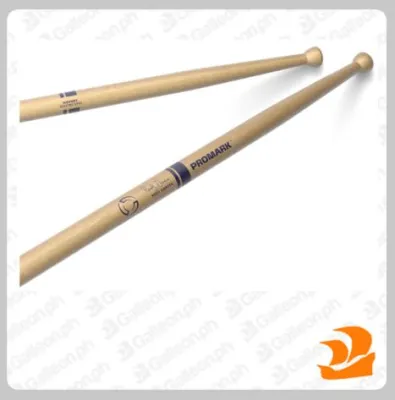
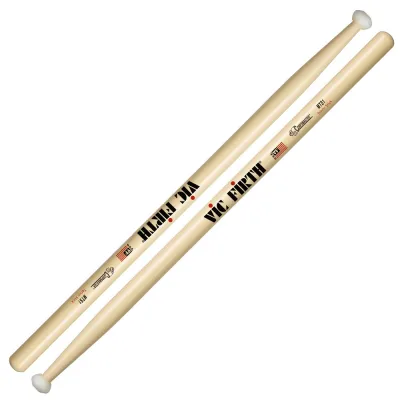
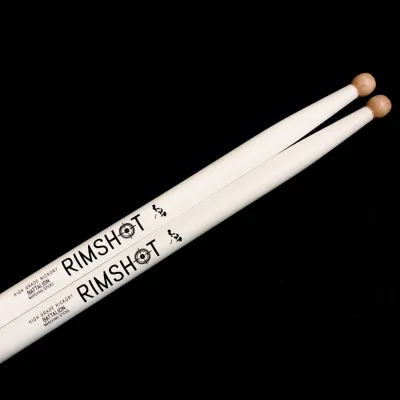
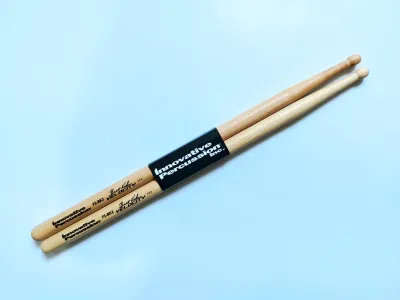
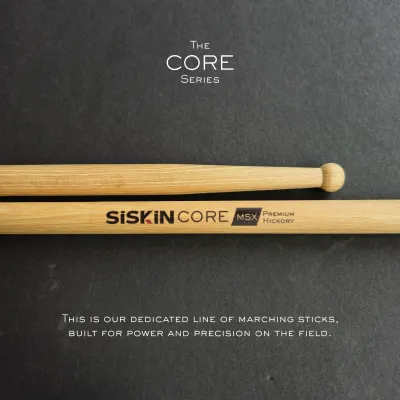
Prices are valid at publication and may change. Please refer to the product page for the latest price.
Ensemble uniformity is critical in marching percussion. When twenty snare players use different stick models, the differences in weight, length, and bead shape create inconsistent volume levels and mismatched tonal qualities, which ruins the blended sound of the drumline. A unified stick choice ensures that the entire section produces a cohesive, singular voice that projects clearly across an outdoor field.
Furthermore, uniform stick models ensure that visual elements, such as stick heights and angles during play, look identical across the entire section. A director may mandate a specific ProMark model or outline a strict range of acceptable lengths and weights to maintain this visual and auditory cohesion. This is especially true for competitive school bands where visual precision is judged as closely as musical performance.
If the orientation packet does not explicitly list a model, students should directly consult their percussion instructor or section leader. Asking for the approved model numbers or general specification ranges early prevents the inconvenience and expense of buying the wrong gear. Instructors are usually happy to clarify these requirements, as it shows the student is proactive and prepared.
Instructors often recommend specific wood types or bead shapes based on the school’s instrument inventory. For instance, heavier marching snares require different stick profiles than lighter, traditional field drums, and the instructor is the best source for matching the stick to the specific drumheads used by the school. Consulting them ensures compatibility with both the instruments and the teaching methodology of the program.
Key Specifications to Evaluate in ProMark Marching Sticks
Marching sticks are significantly larger and heavier than standard drum set sticks, requiring beginners to understand how physical dimensions affect playability. The length and diameter of a stick dictate how it feels in the hand and how much leverage a player can generate. Understanding these specifications helps beginners transition from standard practice sticks to robust marching models.

Standard marching sticks typically range from 16 to 17 inches in length, with diameters often exceeding 0.65 inches. For younger players or those with smaller hands, a stick that is too long or thick can feel unwieldy, making it difficult to maintain a proper fulcrum and grip. Conversely, a stick that is too small will not provide the leverage needed to project sound over a large marching ensemble.
Weight and balance are heavily influenced by the type of wood used in construction, with hickory and maple being the two primary options. Hickory is highly favored for its density, durability, and natural shock absorption, which helps protect a beginner’s wrists from the high-impact vibrations of marching drums. This makes hickory the industry standard for most outdoor marching applications.
Maple, on the other hand, is significantly lighter than hickory, allowing manufacturers to produce thick, comfortable sticks that do not feel overly heavy. This makes maple an excellent alternative for younger students who need the thickness of a marching stick but lack the wrist strength to control a heavy hickory model. However, maple is less durable and may wear down faster under heavy use.
The taper—the section of the stick that narrows from the shaft to the tip—and the bead shape also play a vital role in sound production. A short taper shifts the weight forward, providing a powerful feel and high volume, while a long taper offers a more balanced, responsive rebound that is easier for beginners to control. The choice of taper directly influences how much effort is required to play fast passages.
Bead shapes, such as round, barrel, or acorn, determine the contact area with the drumhead. Round beads produce a bright, consistent sound regardless of the angle of impact, making them highly forgiving for beginners who are still developing consistent striking angles. Barrel and acorn beads offer different tonal colors and articulation levels, which are often selected based on the specific musical style of the marching show.
Matching the Stick to the Beginner's Physical Profile
Selecting a marching stick is not a one-size-fits-all process; the physical profile of the student must guide the final decision. Assessing the student’s hand span is the first step in determining the ideal stick diameter for comfortable grip and control. A stick that fits well in the hand allows for a more relaxed and natural playing technique.
If a student’s fingers cannot comfortably wrap around a standard marching stick while maintaining a relaxed fulcrum, they will likely overcompensate by squeezing too hard. This excessive grip tension leads to rapid hand fatigue, blisters, and poor technique development. Choosing a slightly thinner diameter can help younger players maintain a proper grip without straining their hands.
Evaluating arm and wrist strength is equally important, especially for younger middle school or early high school students. If a standard hickory stick causes the student’s wrists to droop or leads to muscle strain during basic warm-ups, transitioning to a lighter maple stick can prevent injury while they build strength. As the student’s physical endurance improves, they can gradually transition to heavier models.
Parents and instructors can observe the student’s natural rebound control and grip tension during a basic practice pad test. Have the student play simple, repetitive strokes on a high-tension practice pad and watch how the stick bounces back. This simple observation can reveal whether the stick’s weight and balance match the student’s current physical capabilities.
If the stick vibrates excessively in their hand or if they struggle to catch the rebound, it may be too heavy or poorly balanced for their current skill level. A stick that matches the student’s physical profile will feel like an extension of their arm, allowing the natural physics of the rebound to do most of the work. This alignment is crucial for preventing long-term strain and encouraging consistent practice.
Comparing Common ProMark Marching Stick Profiles
ProMark offers several distinct marching stick profiles designed for different sections of the drumline, and understanding these categories helps narrow down the choices. Snare drum profiles are engineered specifically for high-tension heads, featuring robust shafts and specialized beads that deliver crisp, articulate sounds. These sticks are built to withstand the high-impact environment of modern marching snare drums.
These snare profiles often utilize medium-to-short tapers to ensure the stick can survive the frequent rimshots required in modern marching music. The weight distribution is balanced to help players execute rapid double-stroke rolls and precise flams with minimal effort. For beginners, finding a snare profile with a balanced rebound is key to mastering basic rudiments.
Tenor and bass drum profiles differ significantly from snare sticks, as they are designed to draw out the deep, resonant tones of multi-toms and bass drums. Tenor sticks often feature unique bead materials, such as nylon or aluminum, or specialized wood shapes that provide a distinct attack on smaller, high-tension tom heads. These variations help the tenor section cut through the overall band sound.
Bass drum mallets, while not traditional sticks, are selected based on the size of the drum, with larger drums requiring heavier shafts and larger felt heads to produce the necessary low-end projection. Beginners assigned to these sections must ensure they do not accidentally purchase snare sticks when specialized mallets are required. Consulting the section leader can clarify which mallet size is appropriate for each specific bass drum.
Another important comparison is between practice models and field performance models. Practice sticks are often heavier or made of denser materials to help build endurance and strength during long indoor rehearsals on practice pads. They are designed to take a beating without damaging expensive performance drums, making them an excellent investment for home study.
Performance models, conversely, prioritize responsiveness, tonal clarity, and precise weight matching to ensure the best possible sound on the field. While beginners can use performance sticks on practice pads, having a dedicated pair of practice sticks can extend the lifespan of their primary field sticks. This separation of gear helps maintain the integrity of the performance sticks for actual show days.
Purchasing and Inspecting Your Marching Sticks
To ensure you receive authentic, high-quality gear, always purchase ProMark marching sticks from authorized music retailers or official brand storefronts. Counterfeit or poorly manufactured sticks are common on online marketplaces, and they often suffer from structural weaknesses that lead to premature breakage. Buying from authorized sources also ensures you receive genuine customer support.
When shopping in physical music stores in the Philippines, or upon receiving an online delivery, students should immediately inspect the sticks for straightness. The most reliable way to do this is by rolling each stick across a completely flat surface, such as a glass counter or a smooth table. This quick test can easily identify warped wood before you head to rehearsal.
If the stick wobbles, rolls unevenly, or makes a clicking sound as it rolls, it is warped and should be exchanged immediately. Warped sticks do not rebound straight up, which can severely disrupt a beginner’s technique and cause uneven wear on the drumhead. Ensuring your sticks are perfectly straight is essential for developing consistent muscle memory.
Additionally, inspect the wood grain along the shaft of the stick; the grain should run straight from the butt end to the tip. Grain that runs diagonally across the shaft, known as run-out, creates weak points that make the stick highly susceptible to snapping along the grain line during heavy play. Straight grain is a primary indicator of a durable, long-lasting stick.
Finally, always verify the retailer’s return and exchange policy before finalizing your purchase. Because band directors may change their equipment requirements or reject a specific stick model during the first week of rehearsals, having a flexible return policy protects your investment. Keep your receipt and original packaging intact until your instructor has officially approved your sticks.
Frequently Asked Questions (FAQ)
How often should a beginner replace their marching sticks?
A beginner should replace their marching sticks as soon as they observe physical signs of wear that compromise safety, playability, or sound quality. Severe chipping along the shoulder from rimshots, deep splintering, or visible structural cracks along the shaft are clear indicators that the stick is near its breaking point. Playing with cracked sticks can lead to sudden breakage during a performance, which can disrupt the entire ensemble.
Another critical sign is a worn-out bead; if the tip of the stick has become flat, chipped, or uneven, it will no longer produce a clear, articulate sound on the drumhead. Playing with damaged tips can also dent or puncture expensive marching drumheads, leading to costly repairs for the school band. Regularly inspecting the tips of your sticks is a good habit to develop early.
Many school bands in the Philippines operate on a seasonal schedule, requiring students to start the competitive or festival season with a fresh, matching pair of performance sticks. Beginners should plan to have at least one primary pair for performances and a secondary, slightly worn pair dedicated to daily rehearsals and practice pad work. This rotation helps manage costs while ensuring peak performance quality.
Can beginners use regular drum set sticks for marching band practice?
While it may be tempting to use regular drum set sticks for marching band practice, they are generally unsuitable due to differences in durability, weight, and design. Drum set sticks are much thinner and lighter, meaning they will break almost instantly when subjected to the high-tension heads and frequent rimshots of marching snare drums. They simply lack the structural mass required for outdoor projection.
Furthermore, the lightweight nature of drum set sticks does not provide the necessary rebound or resistance needed to develop the strong wrist muscles required for marching percussion. Using thin sticks can cause a beginner to over-grip, leading to poor technique that is difficult to correct later. Marching sticks are specifically designed to help players project sound over long distances without straining.
However, a band director may occasionally allow the temporary use of drum set sticks during early, low-impact indoor rehearsals or when practicing basic rhythms on soft rubber pads. Once the ensemble transitions to actual marching drums or outdoor field rehearsals, switching to dedicated marching sticks is essential for proper sound projection and technique. Always follow your instructor’s guidance regarding when to transition your gear.

Community discussion
Share your experience or ask a question. Comments are reviewed before publication.