
Spotting an original drum stick requires looking beyond the brand logo printed on the shaft. Authentic drum sticks are precision-engineered tools crafted from highly selected, seasoned hardwoods like hickory, maple, or oak. Counterfeiters often replicate the visual branding but fail to match the structural integrity, weight matching, and wood treatment of genuine manufacturers. By understanding how to inspect wood grain, test physical balance, and verify packaging details, you can protect your gear, your hands, and your budget from the hidden costs of fake drum sticks.
Quick Answer: Verifying Drum Stick Authenticity
To quickly verify if a drum stick is original, focus on three primary areas: the consistency of the wood grain, the precision of the branding print, and the weight balance between the pair. Genuine drum sticks feature straight, continuous grain running from the butt to the tip, with crisp, unblurred logo printing on the sleeve and the wood itself. When tapped against a hard surface, a matched pair of original sticks should produce a nearly identical pitch, indicating equal density. While a minor cosmetic blemish might occasionally slip through quality control, a combination of blurry logos, mismatched weights, and cheap, sticky lacquer is a clear sign of a counterfeit product.
The Risks of Using Counterfeit Drum Sticks
Playing with counterfeit drum sticks is not just a matter of poor aesthetics; it poses real risks to your equipment and physical health. Cheap, unseasoned wood used in fake sticks lacks the natural shock-absorption properties of properly cured hickory or maple. When you play, the vibrations travel directly up your arms, which can lead to wrist fatigue, joint strain, or repetitive strain injuries over time.
Products mentioned in this guide
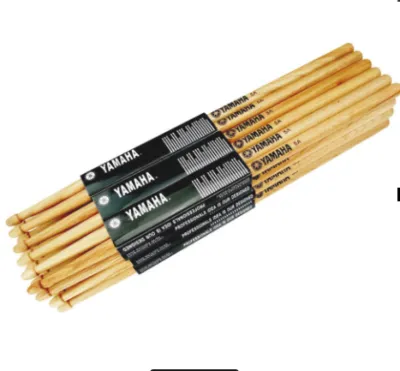
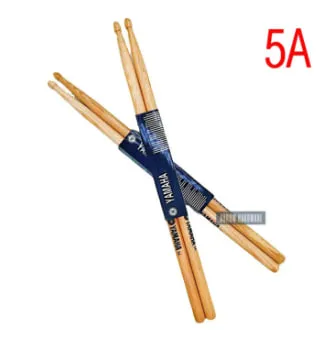
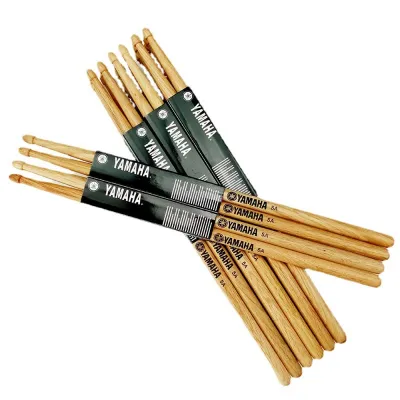
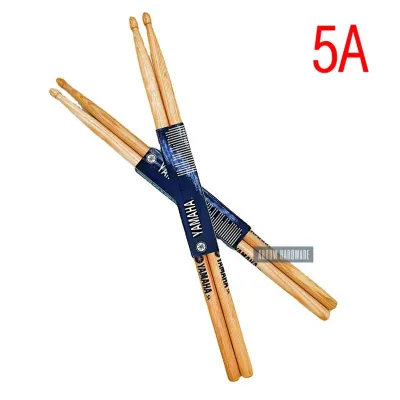
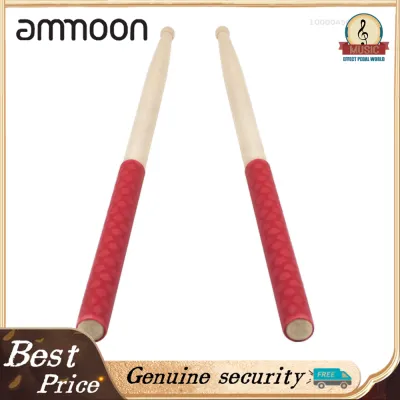
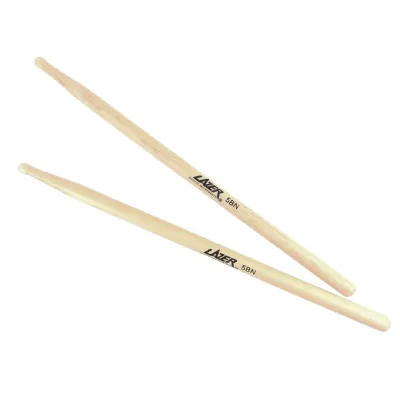

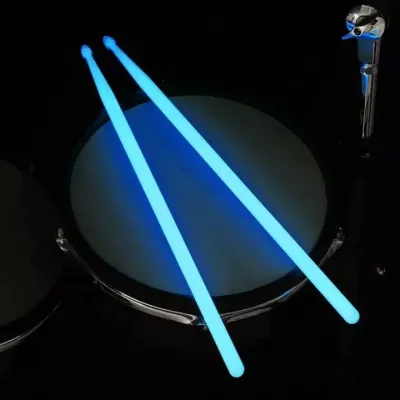
Prices are valid at publication and may change. Please refer to the product page for the latest price.

Furthermore, counterfeit sticks are highly prone to sudden structural failure. Instead of wearing down gradually and fraying, a fake stick is likely to snap cleanly or shatter mid-stroke. Sharp, splintered wood flying off a broken stick can easily puncture expensive drum heads or gouge the delicate surface of your cymbals, turning a cheap purchase into a costly repair. Additionally, the inconsistent weight and poor rebound of fake sticks will actively hinder your technique development, making it difficult to maintain a steady roll or consistent dynamics.
Physical Inspection: Comparing Original and Fake Drum Sticks
The foundation of any high-quality drum stick is the wood itself. Original sticks are typically made from premium hickory, maple, or Japanese oak, selected for straightness of grain. Inspect the stick from the butt end to the tip; the grain lines should run parallel to the length of the shaft. If the grain runs diagonally or exits the side of the stick, the stick is structurally weak and likely a counterfeit or a low-grade reject. In tropical climates like the Philippines, high humidity can cause poorly seasoned wood to warp rapidly. Roll the sticks on a flat table; original sticks will roll smoothly without any wobbling or gaps, whereas fake sticks often show immediate warping due to improper drying processes.
Professional manufacturers use advanced sorting machines to match drum sticks by weight and acoustic pitch. To perform a pitch tap test, hold each stick lightly between your fingers and tap them on a hard, resonant surface like a wooden table or a practice pad. Original sticks in a paired sleeve will produce almost the exact same pitch because they share the same density. Counterfeit pairs are rarely matched; tapping them will often yield noticeably different pitches, and holding them in each hand will reveal a distinct weight imbalance.
Examine the tip of the stick closely. Whether it is an acorn, barrel, round, or oval tip, the shape must be perfectly symmetrical and cleanly cut. Original nylon tips are securely molded or pressed onto the wood without visible glue squeeze-out or loose play. Fake nylon tips are often glued poorly and can fly off during a session, leaving the bare wood to damage your drum heads. Wood tips on fake sticks often feature rough edges, flat spots, or asymmetrical carving that compromises your cymbal tone.
Feel the surface of the stick. Original manufacturers apply a proprietary, ultra-thin lacquer or specialized grip coating designed to resist sweat while maintaining a natural wood feel. Counterfeiters often use cheap, thick varnishes that feel excessively glossy, slippery, or sticky. In warm, humid environments, this low-grade finish can degrade quickly, leaving a tacky residue on your hands and making the sticks difficult to control.
Packaging and Branding Verification
Authentic drum sticks are packaged in high-quality paperboard sleeves with sharp, high-contrast printing. Examine the brand logo and model text on both the sleeve and the stick itself. Original branding is stamped or printed with absolute precision; the edges of the letters are sharp, and the ink does not bleed into the wood grain. Counterfeit sticks often feature blurry logos, smudged ink, or slight font variations that indicate a cheap replication process.
Look at the barcode printed on the sleeve. It should be crisp, easily scannable, and match the exact model and size of the stick inside. Many premium brands also print batch numbers or manufacturing codes on the packaging. If these codes are missing, poorly aligned, or printed in a generic font, the product is highly suspect.
To combat counterfeiting, several major drum stick brands have introduced security measures such as holographic stickers, unique QR codes, or color-shifting inks on their packaging. Before buying, visit the manufacturer’s official website to see what specific security features are currently active for your chosen model.
The paper sleeve of an original pair is made from thick, durable cardstock designed to protect the sticks during transit. Counterfeit sleeves are often made from thin, flimsy paper that tears easily, with messy glue lines or uneven folds.
Choosing Safe Purchasing Channels for Original Drum Sticks
To guarantee you are buying genuine gear, always prioritize authorized music distributors, official brand flagship stores, and established local music shops. These retailers source their inventory directly from the manufacturers, ensuring authenticity and proper climate-controlled storage.
When shopping on online marketplaces, exercise extreme caution. Be highly skeptical of prices that seem too good to be true. For instance, if a standard pair of premium hickory sticks typically retails between ₱600 and ₱900 in reputable local shops, listings offering the “same” product for ₱150 to ₱250 are almost certainly counterfeit.
Analyze the product listings carefully. Avoid sellers that rely solely on stock photos downloaded from the manufacturer’s website. Look for listings with real, high-resolution photos of the actual stock. Check the seller’s profile for verified buyer reviews, paying close attention to any feedback mentioning rapid breakage, warped wood, or poor packaging. Additionally, ensure the seller offers a clear, hassle-free return policy, which provides a safety net if the product arrives and fails your physical inspection.
Steps to Take If You Receive Fake Drum Sticks
If you suspect you have received counterfeit drum sticks, do not use them, as playing with them will void any chance of a return and could damage your drum kit. Immediately document the evidence by taking clear, well-lit photos of the packaging, the blurry printing, any warping, and the physical inconsistencies between the two sticks.
Next, initiate a formal return or refund request through the e-commerce platform’s buyer protection program. Submit your documented photos and a clear explanation of why the product is counterfeit. Most reputable platforms have strict policies against the sale of fake goods and will freeze the seller’s payout while investigating.
Finally, report the fraudulent seller to the marketplace administration to help protect other musicians. You can also contact the brand’s official regional distributor in the Philippines to inform them of the counterfeit source, helping them take legal action to keep fake gear off the market.
Frequently Asked Questions (FAQ)
Can I verify drum stick authenticity using a mobile app?
Verification apps depend entirely on the specific manufacturer’s current technology. Some premium brands include unique QR codes on their packaging sleeves that link directly to an official authentication portal when scanned. However, you should always check the brand’s official website to confirm if they support digital tools or QR code scanners, rather than relying on third-party scanning apps which may not be secure or accurate.
Do original drum sticks always have perfectly matched weights?
Wood is a natural material with inherent density variations, meaning no two pieces of wood are identical. Reputable brands use strict sorting and pairing processes to match pitch and weight within a very narrow tolerance before packaging them. While minor natural variations in grain pattern can occur, original sticks in a pair will feel balanced. In contrast, counterfeit manufacturers often ignore weight matching entirely, resulting in pairs with highly noticeable weight differences.
Community discussion
Share your experience or ask a question. Comments are reviewed before publication.