
Choosing the right keyboard for your child requires balancing their physical development with their musical goals. For casual exploration, a lightweight electronic keyboard with mini keys is ideal, while structured lessons demand standard-sized keys, touch sensitivity, and eventually a full-sized layout. By matching the instrument’s specifications to your child’s age group and learning path, you can avoid overinvesting in advanced features too early while ensuring they do not outgrow their starter instrument too quickly.
Assess Your Child's Current Skill Level and Goals
Before browsing online marketplaces or visiting local music stores, you must clarify what you expect your child to achieve. A child who is simply curious about making sounds needs a very different setup compared to one who is already enrolled in formal weekly lessons. If your child is just exploring, a basic, budget-friendly electronic keyboard with built-in rhythms and sound effects can keep them engaged without a heavy financial commitment.
For children entering structured music programs, the instrument becomes a daily practice tool. You should evaluate their current attention span and commitment level to determine how much to invest. A high-quality starter keyboard can last several years, but it must support the specific exercises assigned by their instructor.
Products mentioned in this guide
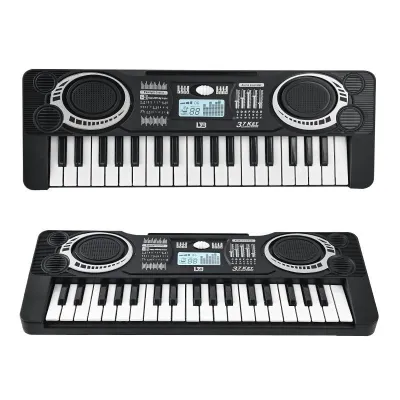
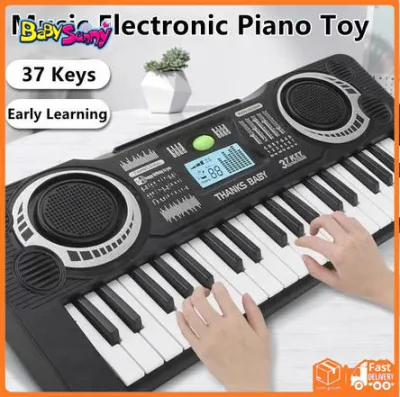
Prices are valid at publication and may change. Please refer to the product page for the latest price.
Physical space at home is another practical consideration. A full-sized digital piano requires a dedicated stand and a permanent spot, whereas a compact 61-key keyboard can be easily stored in a closet or under a bed. In the humid Philippine climate, you will also need to plan for a dry, well-ventilated storage area to protect the internal circuitry.
Always consult your child’s music teacher before making a final purchase. Many instructors follow specific curricula that require a minimum number of keys or a particular type of key action. Buying an instrument that does not meet these standards might force you to purchase a replacement much sooner than expected.
Match Keyboard Features to Age Groups
Children grow rapidly, and their physical and cognitive development directly affects how they interact with a musical keyboard. A toddler’s small hands cannot comfortably stretch across standard-sized piano keys, nor do they have the finger strength to press down weighted keys. Conversely, an older child will find miniature keys frustrating and restrictive as they attempt to play two-handed pieces.

Matching the physical dimensions and interface complexity of the keyboard to your child’s age ensures a frustration-free learning experience. As children progress from sensory play to cognitive pattern recognition, the layout of the instrument should evolve alongside their motor skills.
Toddlers and Preschoolers (Ages 3–5)
For toddlers and preschoolers, music is primarily an interactive, sensory experience. At this stage, prioritize lightweight, highly portable designs with mini-sized keys that fit their small hand span. These smaller keys allow young children to press down notes easily without straining their developing finger joints.
The control panel should be simple and uncluttered, featuring large, colorful buttons that encourage exploration without causing cognitive overload. Look for models that offer fun sound effects, animal noises, and built-in demo songs to keep their attention active.
Safety and durability are paramount for this age group, as the instrument will likely experience rough handling. Verify that the keyboard has robust plastic construction, rounded edges, and a secure battery compartment that requires a tool to open. Avoid heavy models or those with sharp corners that could cause injury if tipped over during play.
Early Elementary (Ages 6–9)
As children enter early elementary school, their fine motor skills and hand-eye coordination improve significantly. This is the ideal age to transition from mini keys to standard-sized keys, which help build muscle memory for future piano playing. A keyboard with 61 keys is generally the sweet spot for this age group, providing enough range for two-handed playing and basic chords.
At this stage, check for basic touch response, also known as velocity sensitivity. This feature ensures that the volume of the sound changes depending on how hard or soft the child presses the keys, which is essential for learning musical expression.
Many starter keyboards designed for this age group include built-in learning modes, such as lighted keys or interactive display screens that guide the child through simple melodies. These features can make daily practice routines more engaging and help reinforce the lessons they receive from their music teacher.
Older Kids and Pre-Teens (Ages 10+)
Older children and pre-teens possess the cognitive ability to grasp complex musical concepts and the physical strength to handle realistic key actions. If your child is starting at this age or continuing their lessons, focus on full-size layouts, typically featuring 73 or 88 keys. This closely mimics the layout of an acoustic piano and ensures they will not run out of notes as their repertoire expands.
To build proper finger technique and hand strength, look for keyboards with semi-weighted or fully weighted key action. Fully weighted keys use graded hammer action to replicate the resistance of real piano hammers, which is crucial for students who plan to perform on acoustic instruments.
Advanced connectivity options become increasingly important for older students who want to integrate technology into their practice. Check the manufacturer specifications for USB-MIDI ports, which allow the keyboard to connect to computers, tablets, and interactive learning software. Additionally, verify the polyphony limit—the number of individual notes the keyboard can produce simultaneously—to ensure the instrument can handle complex pieces with sustained chords without cutting off notes prematurely.
Key Specifications to Check Before Buying
When shopping on online marketplaces or at local music retailers, reading the technical specifications can feel overwhelming. To make an informed decision, you must understand how different key actions affect your child’s finger development. Unweighted keys offer no resistance and are easy for young fingers to press, but they do not build hand strength. Semi-weighted keys offer a compromise with light spring resistance, while fully weighted keys simulate the heavy feel of an acoustic piano, which is highly recommended for serious classical students.
Connectivity is another critical area to verify on the product label before finalizing your purchase. A standard headphone jack is an indispensable feature for quiet practice, allowing your child to play at any hour without disturbing the household. If you plan to use modern educational apps or music production software, ensure the keyboard has a USB-to-Host or MIDI port for seamless device integration.
Always check the product description to see what accessories are included in the box. Many budget-friendly keyboards are sold as standalone units, meaning you will need to purchase a compatible stand, bench, and power adapter separately. For older students, verify if a sustain pedal is included, as this accessory is vital for playing legato passages. In the humid Philippine climate, you might also want to look for packages that include a dust cover to protect the sensitive key contacts from airborne particles and moisture.
When to Upgrade or Seek Professional Advice
As your child’s musical skills mature, their starter keyboard will eventually limit their progress. You can identify the need for an upgrade when your child begins to play advanced classical pieces but runs out of physical keys on a 61-key layout. Another clear sign is when their teacher notes a lack of dynamic expression in their playing, which often happens if the current keyboard lacks touch-sensitive keys or weighted action.
Before purchasing an upgrade, consult your child’s music teacher to get their professional input. They can provide specific recommendations based on the curriculum your child is following, ensuring the new instrument supports their technical development. This step prevents you from buying an intermediate keyboard that your child might outgrow again in a year or two.
The transition path typically moves from a basic electronic keyboard to a dedicated digital piano, which focuses on authentic sound and key feel rather than extra sound effects. For highly advanced students pursuing classical certifications, transitioning to an acoustic upright piano may eventually be recommended. However, a high-quality digital piano with graded hammer action remains an excellent, low-maintenance alternative that handles tropical humidity much better than traditional wood-and-felt acoustic pianos.
Frequently Asked Questions (FAQ)
Do beginners need an 88-key keyboard?
Beginners do not necessarily need an 88-key keyboard during their first year of casual learning. A 61-key keyboard is usually sufficient for learning basic melodies, finger placement, and simple two-handed songs. However, if your child is enrolled in a formal classical piano curriculum, many teachers will recommend starting with an 88-key instrument immediately to ensure they develop proper spatial awareness of the keyboard layout from day one.
Is a keyboard the same as a digital piano?
No, they are distinct instruments designed for different purposes. A standard electronic keyboard is lightweight, highly portable, and often features hundreds of different instrument sounds, rhythms, and interactive learning games, usually with unweighted keys. A digital piano, on the other hand, is designed specifically to replicate the touch, feel, and sound of an acoustic piano, featuring 88 fully weighted keys and a focus on high-quality piano tones rather than synthetic sound libraries.

Community discussion
Share your experience or ask a question. Comments are reviewed before publication.