
Choosing the right guitar pick as a beginner comes down to finding a balance between thickness, material, and shape that matches your current skill level and instrument. For most new players, starting with a medium-thickness pick made of a textured material is the most reliable way to build control without experiencing excessive hand fatigue. The pick acts as the direct bridge between your hand and the strings, meaning even a fraction of a millimeter in thickness can completely alter how your instrument sounds and how comfortable you feel while playing.
As you begin your musical journey, you will quickly realize that there is no single universal pick that works for everyone. Your choice will evolve as your fingers develop muscle memory, grip strength, and a personal preference for specific tones. By understanding the core characteristics of pick design, you can avoid common frustrations like dropped picks, hand cramps, and muddy sound, allowing you to focus entirely on mastering your first chords.
Understanding Pick Thickness and Flexibility
Pick thickness is measured in millimeters and is the most critical factor influencing your playing experience. Thin picks, generally categorized as anything under 0.60 mm, offer excellent flexibility and are highly forgiving for beginners. When you strum an acoustic guitar with a thin pick, the plastic easily bends across the strings, producing a soft, bright, and highly cohesive sound. This flexibility prevents the pick from getting snagged between the strings, making it much easier to maintain a steady strumming rhythm without dropping the pick.
Products mentioned in this guide
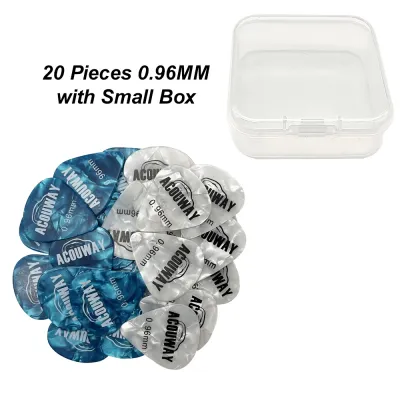
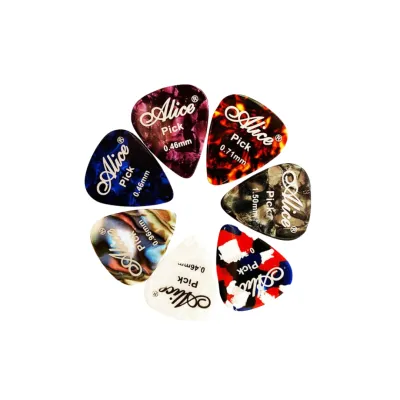


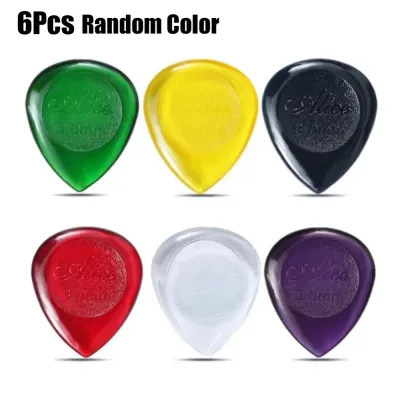



Prices are valid at publication and may change. Please refer to the product page for the latest price.
Medium picks, ranging from 0.60 mm to 0.80 mm, represent the sweet spot for overall versatility. These picks offer a balanced combination of flexibility for smooth strumming and rigidity for individual note accuracy. If you are practicing a mix of open chords and basic single-note melodies, a medium pick provides enough resistance to give you clear tactile feedback without feeling stiff. This versatility makes them the standard recommendation for players who want to explore different genres before committing to a specific style.
Thick picks, which measure 0.80 mm to 1.20 mm or more, are highly rigid and offer virtually no bend. These are designed for maximum control, fast single-note picking, and heavy electric guitar strings. While they allow you to articulate notes with incredible precision and volume, they require a highly relaxed grip and precise hand control. For a beginner, a thick pick can feel clumsy and may frequently fly out of your fingers if your grip is too tense.
Before purchasing any pick, always check the manufacturer’s thickness label printed on the surface, as terms like “medium” or “heavy” can vary significantly between brands. If you are shopping at a local music store, physically hold the pick between your thumb and index finger and try to bend it. Feeling the resistance firsthand is the most reliable way to gauge whether a pick will suit your current hand strength and playing style.
Comparing Common Pick Materials and Textures
The material of a pick dictates both its durability and the tone it produces when striking the strings. Celluloid is one of the most traditional plastics used in pick manufacturing, known for delivering a warm, round tone that closely mimics natural materials. While celluloid picks are highly popular and widely available, they tend to have a very smooth surface that can become slippery, and they wear down relatively quickly under heavy use.

Nylon is another incredibly common material, prized for its extreme durability and flexibility. Nylon picks are virtually indestructible and rarely snap, making them an excellent long-term investment for practice sessions. Because nylon is naturally slick, manufacturers almost always mold these picks with raised lettering, grid patterns, or textured grip zones. This added texture is incredibly beneficial for beginners who are still learning how to maintain a secure hold.
Acetal and matte-finished plastics, often processed to have a powdery or chalky texture, offer a bright, punchy attack with excellent natural grip. These materials resist wear exceptionally well and do not get slick when exposed to moisture. In warm, humid tropical climates like the Philippines, sweaty fingers are a constant challenge during long practice sessions. Opting for matte-finished or heavily textured picks can prevent the pick from rotating or slipping out of your hand while you play.
When selecting a material, read the product descriptions carefully rather than assuming a pick’s properties based on its color or visual design. Many modern picks feature vibrant graphics or translucent colors that look appealing but may have a smooth, slippery finish. Prioritize the physical texture and material composition over aesthetics to ensure your practice sessions remain frustration-free.
Evaluating Pick Shapes and Sizes for Hand Comfort
The physical shape of a pick determines how much surface area you have to hold and how close your fingers sit to the strings. The standard teardrop shape, often referred to as the 351 shape, is the most widely used design and the ideal starting point for beginners. Its balanced proportions provide ample space for your thumb and index finger to grip the pick securely, while the gently rounded tip offers a smooth release from the strings.
Smaller shapes, such as jazz-style picks, feature a much sharper tip and a compact profile. These are favored by advanced players for fast, precise lead playing because they minimize the distance between your fingers and the strings. However, for a beginner, these small picks can feel incredibly cramped and difficult to hold, often leading to accidental finger contact with the strings and hand fatigue.
Conversely, larger triangle-shaped picks offer a massive surface area that is highly beneficial if you have larger hands or struggle with grip strength. Triangle picks are incredibly easy to hold and have the added benefit of three identical corners. If one corner begins to wear down or chip, you can simply rotate the pick to a fresh edge, effectively tripling the lifespan of a single pick.
To find the right fit, test the grip by holding the pick in your standard playing position. Your thumb should cover about half of the pick’s surface area, with the tip pointing perpendicular to your thumb. Simulate strumming motions in the air to see if the pick shifts, twists, or feels uncomfortable against your fingers before committing to a specific shape.
Matching the Pick to Your Instrument and Playing Goals
Your choice of pick should align directly with the specific instrument you are learning and your immediate musical goals. If you are practicing on an acoustic guitar, your primary focus will likely be smooth, rhythmic strumming. A thinner, more flexible pick (around 0.50 mm to 0.60 mm) is ideal here, as it glides effortlessly over steel strings and prevents the guitar from sounding overly harsh or boisterous.
For electric guitar players, the goals are often different, requiring a mix of rhythm chords and single-note lead lines. A medium to thick pick (0.73 mm to 1.0 mm) with a matte finish provides the stiffness needed to navigate electric strings, which are typically thinner and set closer together than acoustic strings. The added rigidity ensures that every individual note you pluck registers clearly through your amplifier.
If you are learning the ukulele, you must take its delicate nylon strings into consideration. Standard plastic guitar picks can easily scratch the ukulele’s wooden body and produce a harsh, clicking sound that overpowers the instrument’s natural warmth. If you prefer using a pick over traditional fingerstyle playing, look for specialized felt picks or ultra-thin, highly flexible nylon picks designed specifically for nylon-stringed instruments.
To help you get started, consider this basic starter shortlist based on your primary instrument:
- Acoustic Guitar Strumming: 0.50 mm to 0.60 mm nylon or thin matte pick
- Electric Guitar Versatility: 0.73 mm to 0.88 mm textured acetal pick
- Ukulele Practice: 3.0 mm felt pick or soft leather pick
Building a Beginner Pick Variety Pack
Instead of buying a large quantity of a single pick type, the most practical and cost-effective first step is to purchase a beginner variety pack. These multi-packs typically cost between ₱150 and ₱400 and contain a wide assortment of thicknesses, materials, and shapes. This small investment allows you to experiment with different options in the comfort of your home without the pressure of making a definitive choice at the store.
During your daily practice sessions, systematically test different picks on the same exercises. Spend one day using a thin nylon pick, the next day using a medium celluloid pick, and the following day using a thick matte pick. Pay close attention to how your hand feels, how easily you can maintain your rhythm, and how the overall tone of your instrument changes with each variation.
As you test, learn to identify the physical signs that a pick is not a good fit for your current skill level. If your hand begins to cramp or you find yourself gripping the pick with excessive force, the pick is likely too thick or too small. If you hear a loud, distracting flapping sound every time you strum, or if there is a noticeable delay between your hand movement and the sound of the note, the pick is likely too thin.
Once you find a specific thickness, material, and shape that consistently feels comfortable and produces the sound you want, you can confidently transition from a variety pack to buying bulk packs. Having a steady supply of your preferred pick ensures that you can focus entirely on building your skills, knowing that your gear is perfectly matched to your playing style.
Frequently Asked Questions (FAQ)
Does the color of a guitar pick affect its sound or durability?
No, the color of a guitar pick is simply a cosmetic dye or visual design and has no impact on its sound, flexibility, or overall durability. When choosing a pick, you should always rely on the material composition (such as nylon, celluloid, or acetal) and the specified thickness in millimeters to determine how it will perform. Visual pigments are purely aesthetic, so focus on tactile feel and material specifications rather than color when making your decision.
How often should a beginner replace their guitar pick?
A beginner should replace their guitar pick as soon as they notice visual or tactile signs of wear that interfere with smooth playing. Inspect your picks regularly for grooved edges, rounded or blunt tips, and a loss of surface texture or grip. Playing with a worn-out pick can cause it to snag on the strings, produce a scratchy tone, or slip out of your fingers, which can hinder your technique and disrupt your practice rhythm.
Can I use the same pick for both guitar and ukulele?
While it is physically possible, it is generally not recommended to use a standard, rigid steel-string guitar pick on a ukulele. Ukulele nylon strings are much softer and more delicate than steel guitar strings, meaning they respond far better to softer felt picks or very thin, flexible nylon picks. Using a heavy, rigid plastic guitar pick on a ukulele can damage the nylon strings, scratch the instrument’s soundboard, and produce a harsh, unpleasant clicking sound.

Community discussion
Share your experience or ask a question. Comments are reviewed before publication.