
Selecting your first set of guitar strings is a milestone that directly shapes your early playing experience. For beginner guitarists, the right strings make the difference between painful, discouraging practice sessions and comfortable, motivating progress. Fender offers a diverse lineup of strings designed for various playing styles, but navigating the options requires understanding how different gauges, materials, and designs interact with your instrument and your fingers.
To make an informed decision, you must match the strings to your specific guitar type, select a gauge that accommodates your current finger strength, and choose materials that can withstand local environmental factors. In tropical environments, factors like high humidity and perspiration play a significant role in how quickly strings degrade. By focusing on playability, durability, and proper compatibility, you can find a set of Fender strings that supports your learning journey without exceeding your budget.
Understanding Fender String Basics for Beginners
Before purchasing any string set, you must identify the specific category of guitar you own, as strings are not universally interchangeable. Electric guitars, acoustic guitars, and classical guitars each require distinct string designs engineered for their unique construction and amplification methods. Installing the wrong type of string can result in poor sound quality, playability issues, or even physical damage to the instrument.
Products mentioned in this guide
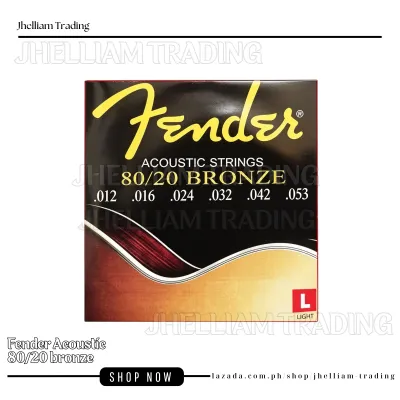
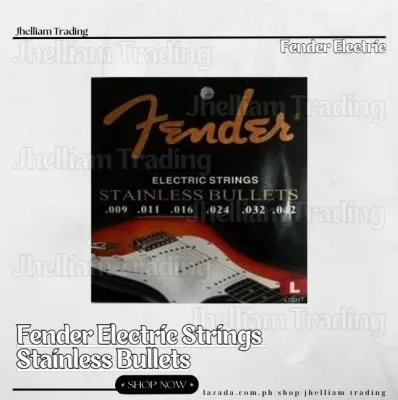
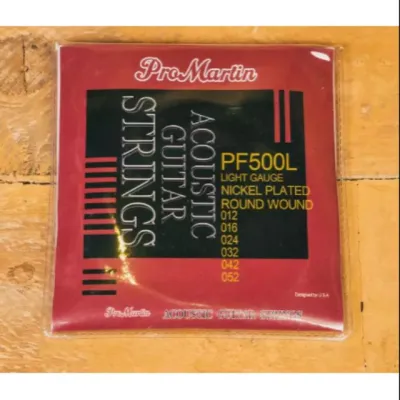




Prices are valid at publication and may change. Please refer to the product page for the latest price.
Electric guitar strings are made from magnetically active metals, such as steel and nickel, which allow the guitar’s pickups to detect string vibrations and convert them into an electrical signal. Acoustic guitar strings, on the other hand, rely on copper-based alloys like bronze to produce bright, loud, and resonant tones naturally through the guitar’s wooden soundboard. Classical guitars use nylon strings, which exert much lower tension and produce a warm, mellow tone; these must never be replaced with steel strings, as the high tension of steel can warp or break a classical guitar’s delicate neck and bridge.
Beyond the instrument type, you should understand how the strings are constructed. Most modern Fender strings feature a central steel core wire wrapped with a thinner wire, known as the winding. The core wire is typically hexagonal, which provides sharp edges that grip the outer wrap wire securely to prevent slippage and improve tuning stability. The most common winding style for beginners is roundwound, where a round wire is wrapped around the core, creating a textured surface that delivers a bright, classic tone suitable for most musical genres.
When looking at a package of Fender strings, the label provides essential specifications that you must verify before buying. The front of the packaging clearly displays the instrument type, the alloy composition, and the gauge range. The gauge is represented by a series of numbers, such as .009–.042 for electric strings or .012–.053 for acoustic strings, indicating the thickness of the thinnest and thickest strings in thousandths of an inch. Checking these details ensures you select a set compatible with your guitar and your playing goals.
Matching String Gauges to Playability and Finger Strength
String gauge, or thickness, is the most critical factor influencing how a guitar feels to a beginner. Thinner strings, often referred to as light or extra-light gauges, require less physical pressure to press down against the frets. This lower tension is highly beneficial for beginners who have not yet developed calluses or finger strength, as it minimizes finger soreness and makes learning basic chord shapes much more comfortable.

Conversely, thicker strings, known as medium or heavy gauges, require significantly more finger pressure and tension to tune to pitch. While heavier strings produce a fuller, louder sound with more sustain, they can cause rapid finger fatigue and soreness for novice players. For those learning techniques like string bending or rapid chord transitions, starting with a lighter gauge allows you to focus on proper hand positioning and technique without fighting excessive physical resistance.
When selecting a gauge, you must also consider the structural limits of your guitar. Guitars are built and set up to handle specific ranges of string tension. If you install a heavy gauge set on a guitar designed for light strings, the increased tension can pull the neck forward, causing high action and making the instrument difficult to play. Always check your guitar manufacturer’s specifications or consult the documentation to identify the recommended gauge limits for your specific model.
To help you compare the general characteristics of different string gauges, the table below outlines how gauge selection impacts playability, tension, and suitability for beginners:
| Gauge Category | Typical Electric Range | Typical Acoustic Range | Playability Impact | Tension Level | Beginner Suitability |
|---|---|---|---|---|---|
| Extra Light | .008 – .038 | .010 – .050 | Very easy to fret and bend; prone to accidental bending | Very Low | Highly recommended for absolute beginners |
| Light | .009 – .042 | .012 – .053 | Balanced comfort and tone; standard factory setup for many models | Low to Moderate | Excellent starting point for most players |
| Medium | .011 – .048 | .013 – .056 | Requires significant finger strength; fuller, louder projection | High | Better suited for experienced players |
Choosing the Right Material for Durability and Tone
The metal alloys used to construct guitar strings dictate both the tonal character of your instrument and how long the strings will last before losing their resonance. For electric guitarists, Fender primarily utilizes nickel-plated steel. This material combines the bright, magnetic response of a steel core with the smooth feel and warm tonal characteristics of a nickel outer plating, offering a highly versatile sound suitable for rock, blues, pop, and jazz.
For acoustic guitarists, the two primary choices are 80/20 bronze and phosphor bronze. 80/20 bronze strings, made of 80% copper and 20% zinc, deliver an extremely bright, crisp, and sparkling tone out of the box, though they tend to oxidize relatively quickly, causing the tone to dull over time. Phosphor bronze strings, composed of approximately 90% copper with a small amount of tin and phosphorous, provide a warmer, richer, and more balanced tone that retains its clarity longer than uncoated 80/20 bronze.
In tropical climates characterized by high relative humidity and warm temperatures, string durability is a major concern. Moisture from the air, combined with the natural sweat and oils from your fingers, accelerates the oxidation process, leading to rust, discoloration, and a deadened sound. To combat this, beginners should consider coated strings. Coated strings feature a microscopic polymer barrier that shields the metal from moisture and sweat, extending the life of the strings significantly, though they typically cost more upfront than uncoated options.
The following table summarizes the primary materials used in Fender strings, along with their tonal profiles and performance in humid conditions:
| Material Type | Intended Guitar Type | Tonal Profile | Durability in Humid Climates | Best Suited For |
|---|---|---|---|---|
| Nickel-Plated Steel | Electric | Bright, balanced, versatile | Moderate; requires regular wiping | General electric guitar practice |
| 80/20 Bronze | Acoustic | Very bright, crisp, sparkling | Lower; oxidizes quickly in high humidity | Players seeking maximum brightness |
| Phosphor Bronze | Acoustic | Warm, rich, balanced | Moderate; resists corrosion slightly better than 80/20 | All-purpose acoustic playing |
| Coated Steel/Bronze | Electric or Acoustic | Balanced, slightly mellowed | High; polymer barrier prevents rapid rust | Humid regions and players with sweaty hands |
Budgeting and Buying Fender Strings Safely in the Philippines
When purchasing Fender strings locally, understanding pricing expectations and sourcing your products from authorized retailers is essential to avoid counterfeit goods. Standard, uncoated Fender string sets generally range in price from approximately ₱300 to ₱500. Premium options, such as coated sets designed for extended durability, typically range from ₱600 to ₱900, reflecting the added manufacturing processes and materials.
To ensure you are purchasing genuine Fender products, always buy from authorized music distributors, established local music stores, or official flagship stores on verified online marketplaces. Genuine strings undergo strict quality control to ensure consistent tension, accurate gauges, and proper alloy composition, which directly affects your guitar’s tuning stability and intonation.
Counterfeit strings are a common issue on unauthorized e-commerce platforms and secondary marketplaces. These fake strings are often sold at suspiciously low prices, sometimes under ₱150 per set. Red flags to watch out for include blurry or low-quality printing on the packaging, spelling errors in the product descriptions, lack of proper batch codes, and strings that feel unusually stiff or rust within days of installation. Investing in authentic strings from reputable sources protects your instrument and ensures a reliable learning experience.
Verifying Compatibility Before You Install
Before you begin installing a new set of strings, you must verify that the physical specifications of the strings match your guitar’s hardware. The slots in the guitar’s nut and the bridge saddles are cut to accommodate specific ranges of string thickness. If you attempt to install a string gauge that is significantly thicker than what was previously on the guitar, the strings may bind in the nut slots, causing tuning instability, or they may fail to sit properly in the bridge.
Additionally, changing the string gauge alters the total tension exerted on the guitar neck. If you transition from an extra-light gauge to a heavier gauge, the increased tension will pull the neck forward, creating a forward bow that raises the action. Conversely, moving to a lighter gauge reduces tension, which can cause the neck to straighten or back-bow, leading to fret buzz. Correcting this requires a truss rod adjustment, which regulates the internal tension of the neck to maintain the correct amount of relief.
If you are unsure about adjusting your guitar’s truss rod, or if you notice that the new strings do not fit into the nut slots smoothly, do not force the installation. Forcing thick strings into narrow slots can crack the nut, and improper truss rod adjustments can permanently damage the neck. In these situations, stop the installation and consult a professional luthier or an experienced guitar technician at a local music shop to perform a proper setup.
Frequently Asked Questions (FAQ)
How often should a beginner change their guitar strings?
A beginner practicing regularly should generally change their strings every one to three months, depending on how often they play and the local humidity levels. Over time, strings accumulate sweat, skin oils, and dust, which lead to rust and a dull, lifeless tone. Visual signs such as dark discoloration, visible rust spots, or a rough texture when sliding your fingers along the strings indicate that it is time for a replacement.
Can I use electric Fender strings on an acoustic guitar?
You should avoid using electric guitar strings on an acoustic guitar. Electric strings are designed with magnetic properties to work with pickups and exert lower physical tension, which will result in a very quiet, thin, and weak sound when played acoustically. Furthermore, acoustic guitars require the higher tension of bronze strings to properly vibrate the wooden soundboard and project sound, making electric strings acoustically inefficient for this purpose.
Do Fender string sets include installation tools?
Standard Fender string packages contain only the replacement strings themselves, individually wrapped and labeled to prevent rust and assist with identification. They do not include installation tools. Beginners should acquire a few basic, inexpensive tools to make the string-changing process easier, including a string winder to speed up tuning peg rotation, a pair of wire cutters to trim excess string length, and a digital tuner to ensure accurate pitch.

Community discussion
Share your experience or ask a question. Comments are reviewed before publication.