
For most beginners starting their drumming journey, the best stick for drum practice is a standard 5A hickory drumstick with a wood tip. This specific configuration offers an ideal balance of weight, length, and diameter, making it highly versatile for learning basic rudiments, developing proper hand mechanics, and exploring various musical genres. Choosing the right pair of drumsticks is one of the most critical early decisions a new drummer can make, as the wrong size or material can lead to rapid hand fatigue, poor technique, or even physical strain.
While the sheer variety of options on the market can feel overwhelming, understanding a few basic principles of drumstick construction will help you make an informed choice. By focusing on standard sizes, durable wood types, and appropriate tip materials, you can select a pair of sticks that feels comfortable in your hands and supports your growth as a musician. This guide breaks down everything you need to know to choose your very first pair of drumsticks.
How to Read Drumstick Sizes and Numbers
To the untrained eye, the numbers and letters stamped on the side of a drumstick can look like a confusing code. However, this labeling system is highly standardized across the music industry and provides immediate information about the stick’s physical dimensions. Once you learn how to read these codes, you can easily compare different models and brands to find the perfect fit for your hands.
Products mentioned in this guide
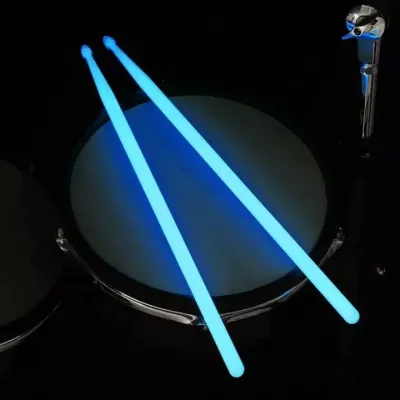
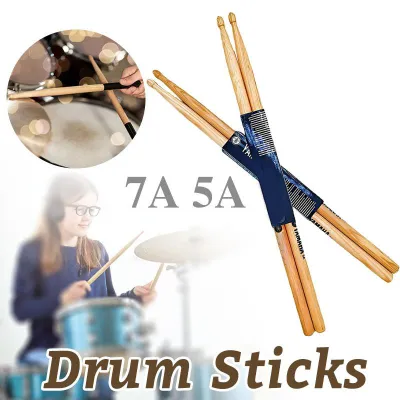
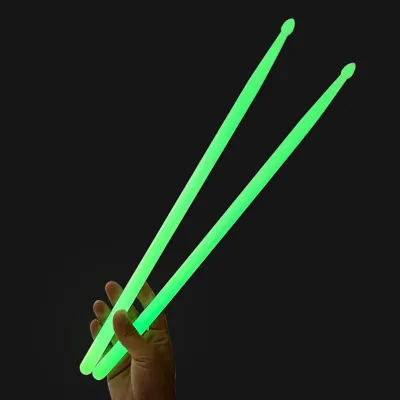
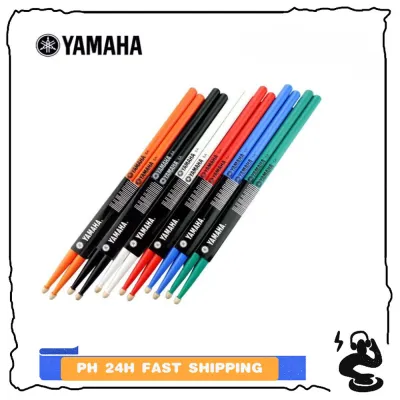
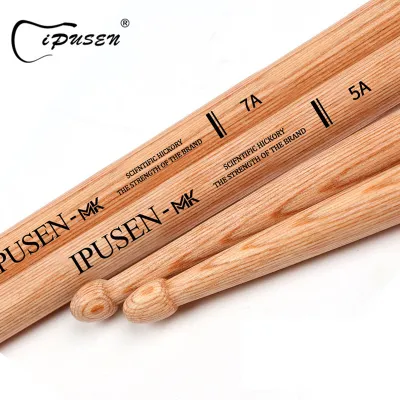
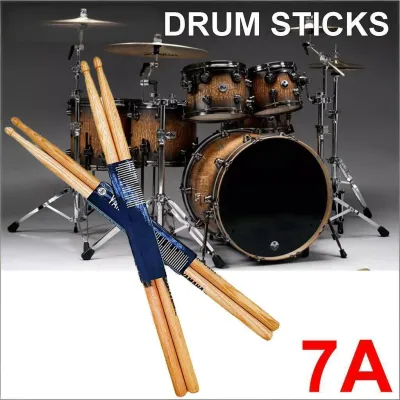
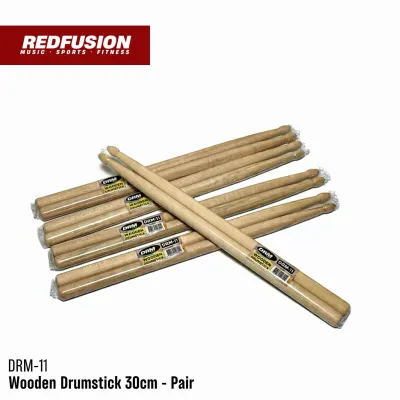
Prices are valid at publication and may change. Please refer to the product page for the latest price.
The numerical part of the code indicates the thickness or diameter of the drumstick. Counterintuitively, a lower number represents a thicker, heavier stick, while a higher number represents a thinner, lighter stick. For example, a size 7 stick is significantly thinner and lighter than a size 5 stick, which in turn is thinner than a size 2 stick. Beginners should pay close attention to this number, as the thickness of the shaft directly affects how the stick fills your palm and how much effort is required to maintain a secure grip.
The letter in the code historically designated the stick’s recommended application, though today it serves as a general indicator of shape and taper. The letter “A” originally stood for “Orchestra” and represents sticks with a thinner neck and a longer taper, which provides a lighter feel and a more delicate rebound. The letter “B” stood for “Band” (specifically symphonic or concert bands) and denotes a thicker stick with a shorter taper, designed for greater volume and projection. The letter “S” stood for “Street” or marching bands, representing exceptionally thick, heavy sticks designed for outdoor performance.
Beyond the alphanumeric code, the overall length and diameter of a drumstick play a major role in how it behaves in your hands. Longer sticks provide more leverage and a longer reach around the drum kit, but they can feel front-heavy and difficult for a beginner to control. Thicker diameters can help prevent hand cramping for players with larger hands, while thinner diameters are much easier to manage for those with smaller hands. Finding the right balance between these dimensions is key to developing a relaxed, tension-free grip.
The Best Drumstick Sizes for Beginners to Start With
When you are just starting out, you need a drumstick that acts as a neutral baseline. Starting with an extreme size—either too heavy or too light—can hinder your ability to learn proper wrist and finger control. Three standard sizes dominate the beginner landscape, each suited to different physical needs and musical styles.

The 5A drumstick is the undisputed universal standard for beginners and experienced players alike. With a medium diameter and a standard length of approximately 16 inches, the 5A offers a balanced weight distribution that works beautifully across almost every musical genre, from rock and pop to jazz and church worship sets. Because it is neither too heavy nor too light, the 5A allows beginners to build wrist strength and control naturally, providing excellent rebound feedback from both drum heads and cymbals.
For younger players, children, or adults with smaller hands, the 7A drumstick is an excellent alternative. The 7A is thinner, shorter, and lighter than the 5A, making it much easier to maneuver without causing early hand fatigue. This size is also highly favored for low-volume acoustic settings and jazz, where a delicate touch is required. While the lighter weight of a 7A makes fast strokes easier to execute, it does provide less physical feedback, which means beginners must focus carefully on maintaining a relaxed grip to avoid overcompensating with excess muscle tension.
On the other end of the spectrum is the 5B drumstick, which is thicker and heavier than the 5A. This size is highly recommended for players with larger hands or those who are specifically drawn to heavy rock, metal, or punk music. The extra mass of a 5B stick allows you to produce a louder, more powerful sound with less physical effort, and the thicker shaft can feel much more secure in a larger palm. However, because of the increased weight, beginners using 5B sticks must be careful to let the stick do the work, relying on natural rebound rather than forcing the stick down with stiff wrists.
Wood Types and Tip Materials: What to Look For
The materials used to construct a drumstick dictate its durability, how it absorbs shock, and the specific tone it coaxes from your cymbals. For a beginner, selecting the right combination of wood and tip material is essential for protecting your hands from vibration and ensuring your gear lasts as long as possible.
- Hickory: This is the gold standard wood for drumsticks. Hickory is highly dense and incredibly durable, but its most valuable characteristic is its natural shock absorption. When you strike a drum or cymbal, the impact creates vibrations that travel up the stick; hickory absorbs these vibrations beautifully, preventing them from transferring directly into your wrists and elbows. This significantly reduces the risk of developing joint fatigue or tendinitis during long practice sessions.
- Maple: Maple is a much lighter and less dense wood than hickory. A maple stick of a larger size, such as a maple 5B, will often feel as light as a hickory 5A. This makes maple an excellent choice for players who want a thicker grip without the added weight, or for those playing low-volume acoustic gigs. However, because maple is softer, it chips, frays, and breaks much faster under heavy use.
- Oak: Oak is an extremely dense, heavy, and rigid wood. Oak drumsticks are incredibly durable and highly resistant to wearing down, making them popular among heavy hitters. The trade-off is that oak does not absorb shock well. The intense vibrations of hard hits travel straight to the player's hands, which can cause discomfort or pain for beginners who have not yet mastered a relaxed grip technique.
The tip of the drumstick is the point of contact that shapes your sound, particularly on cymbals. Wood tips are the traditional choice, offering a warm, deep, and natural tone. However, wood tips can chip or split over time, and using a chipped wood tip can quickly dent or slice through your drum heads. Nylon tips, on the other hand, produce a very bright, cutting, and consistent sound on cymbals. They are virtually indestructible and will not chip, making them highly durable for beginners. The main risk with nylon tips is that if the plastic tip eventually flies off, the exposed sharp shoulder of the stick can ruin a drum head if you continue playing with it.
Finally, pay attention to the finish of the stick. Lacquered finishes are smooth and protect the wood from dirt, but they can become incredibly slippery if your hands sweat. Painted or stained sticks look visually striking, but the paint can rub off and leave unsightly marks on your drum heads and cymbals. Natural, unpainted, or raw wood finishes provide the most secure grip, especially in warm climates where sweaty palms are common, as the raw wood naturally absorbs moisture.
How to Build Your First Drumstick Shopping List
When you are ready to make your first purchase, it is wise to approach the music store with a practical strategy. Instead of simply grabbing the first pair of sticks you see, taking a systematic approach will ensure you get high-quality, matched gear that supports your practice routine.
First, never buy just a single pair of drumsticks. Wood is a natural material, and even the highest-quality sticks will eventually wear down, chip, or break. Always buy at least two or three pairs of the exact same model. Having identical backups ensures that when a stick inevitably fails, you can swap it out immediately without altering the physical weight, balance, or feel of your grip. This consistency is crucial for building muscle memory during your first few months of practice.
If you are undecided between sizes, look for a variety pack or multi-pack. Many established manufacturers offer packs that bundle different sizes together, such as a 5A and a 7A, or a mix of wood and nylon tips. Purchasing a variety pack allows you to test different weights and diameters on a practice pad at home, helping you discover which size feels most natural to your unique hand structure before you commit to buying a larger quantity of a single model.
When shopping at an authorized local music retailer or inspecting a delivery from an official online store, always perform a quick physical quality check on your new sticks:
- The Roll Test: Place the drumsticks on a completely flat counter or glass surface and roll them with your hand. If a stick wobbles, curves, or hops as it rolls, the wood is warped. A warped stick will not rebound straight and should be avoided. It must roll perfectly smoothly.
- The Pitch-Matching Test: Hold each stick lightly by the shoulder and tap them gently against a hard surface near your ear. The two sticks in a pair should produce a very similar pitch. A significant difference in pitch indicates a difference in wood density and weight, meaning the sticks will feel unbalanced in your hands.
- The Grain Inspection: Look closely at the wood grain running down the shaft of the stick. The grain lines should run straight from the butt end all the way to the tip. If the grain lines run diagonally across the stick (known as a grain run-out), the stick has a major structural weak point and is highly likely to snap along that diagonal line during your first heavy practice session.
Caring for Your Drumsticks and Knowing When to Replace Them
Drumsticks are consumable items, but with proper care and technique, you can significantly extend their lifespan. Knowing how to store your sticks and recognizing the signs of wear will keep your playing safe and protect your drum kit from damage.
It is important to distinguish between normal wear and structural failure. As you practice, it is completely normal for the shoulder of the stick to get slightly chewed up or frayed from hitting cymbals, and wood tips may lose some of their rounded shape. However, if you notice a deep crack running along the length of the shaft, a split or flattened tip, or a stick that bends easily under light hand pressure, it has suffered structural failure. You should stop using a cracked or splintered stick immediately, as it can snap mid-stroke and send sharp wood fragments flying, or easily puncture a drum head.
In tropical climates like the Philippines, high relative humidity and rapid temperature fluctuations pose a unique challenge to wooden gear. Wood naturally absorbs moisture from the air, which can make your drumsticks feel heavy, soft, and highly susceptible to warping. To prevent this, never store your drumsticks on concrete floors, in hot cars, or in direct sunlight. Keep them in a dry, cool room, preferably zipped inside a dedicated padded stick bag. You can also place a small silica gel packet inside your stick bag to help absorb excess moisture and keep the wood dry and crisp.
Finally, your playing technique is the single greatest factor influencing how long your sticks last. Beginners often break sticks quickly because they grip them too tightly, which forces the wood to absorb the full force of every impact without any natural give. Maintaining a relaxed grip—allowing the stick to pivot freely between your thumb and index finger—allows the stick to rebound naturally. Additionally, avoid striking your cymbals at a direct 90-degree angle; instead, position your cymbals at a slight downward tilt and strike them with a glancing, sweeping motion to distribute the impact safely across the stick’s shoulder.
Frequently Asked Questions (FAQ)
Can beginners use marching or concert snare drumsticks on a drum kit?
No, beginners should avoid using marching or concert snare drumsticks on a standard drum kit. Marching sticks are designed for outdoor projection and are exceptionally thick, long, and heavy. Using these massive sticks on an acoustic drum kit can easily dent your drum heads, crack your expensive cymbals, and cause severe wrist strain due to the lack of natural rebound on softer drum kit surfaces. Stick to standard drum kit sizes like 5A, 7A, or 5B.
Do I need special drumsticks for playing on electronic drum kits?
While standard drumsticks will work on electronic kits, nylon-tipped sticks are highly recommended for protecting sensitive mesh heads. Wood tips can easily chip or splinter over time, and those tiny, sharp wood fibers can snag and tear the delicate mesh material of electronic pads. If you prefer wood tips, ensure they are brand new, perfectly smooth, and dedicated exclusively to your electronic kit. Additionally, avoid using painted or stained sticks, as the color can rub off and permanently stain your rubber cymbal pads.
How should I evaluate the price and quality of beginner drumsticks?
When starting out, avoid ultra-cheap, unbranded drumsticks often found on generic online marketplaces. These budget sticks are typically made from low-grade, improperly dried wood that warps easily and snaps within minutes of play. Instead, look for budget-friendly lines produced by established, authorized music brands. Purchasing from authorized local music distributors ensures you receive genuine, weight-matched, and straight sticks that offer excellent durability and value for your money.

Community discussion
Share your experience or ask a question. Comments are reviewed before publication.