
Selecting your first pair of drumsticks is a foundational decision that directly shapes your early practice sessions, hand technique, and overall comfort behind the drum kit. For most beginners in the Philippines, starting with a 7A drumstick is the most practical choice. This size is highly regarded for its lightweight feel and slender profile, making it exceptionally easy to control as you develop muscle memory, wrist flexibility, and basic coordination. By choosing a stick that matches your physical needs, you can focus entirely on mastering rhythms without fighting the weight of your equipment.
While the world of percussion offers countless stick sizes, materials, and designs, the 7A standard remains a favorite for educators and students alike. Navigating the local market requires a clear understanding of what makes a quality stick, how to inspect wood grain, and where to find authentic gear. This guide provides a comprehensive roadmap to selecting the ideal 7A drumsticks, ensuring your investment supports your musical journey from your very first drum roll.
Why 7A Drumsticks Are Ideal for Beginners
To understand why 7A drumsticks are so highly recommended for beginners, it helps to compare them to other standard sizes like 5A and 5B. In the traditional drumstick numbering system, a higher number generally denotes a thinner stick. Consequently, a 7A stick is noticeably thinner and lighter than a standard 5A, which is the middle-of-the-road option, and significantly less bulky than a heavy 5B stick. Typically, a 7A stick measures around 0.540 inches in diameter and ranges from 15 to 15.5 inches in length, offering a compact form factor that fits comfortably in smaller hands or hands that are not yet accustomed to the physical demands of drumming.
Products mentioned in this guide
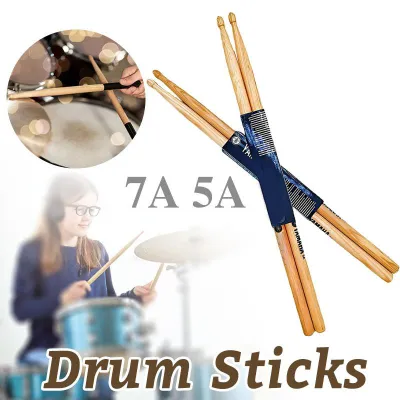
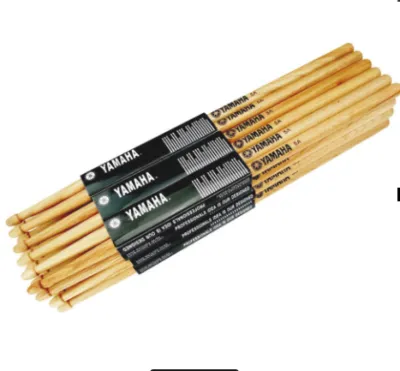
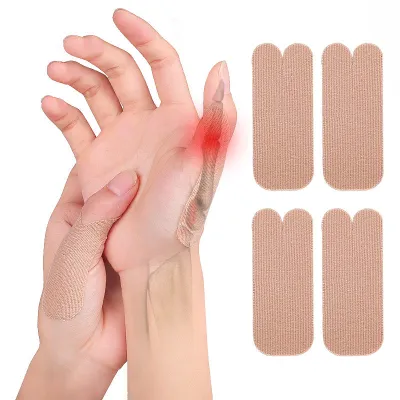
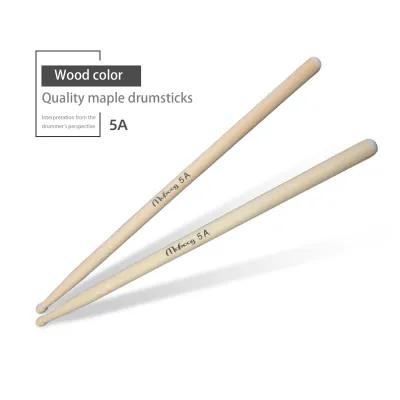

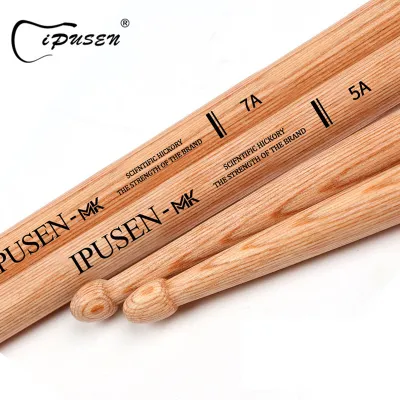
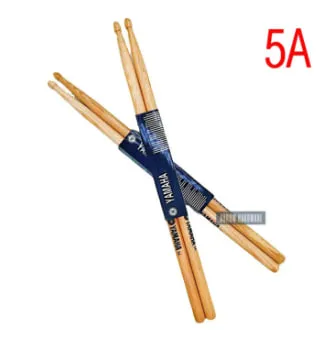
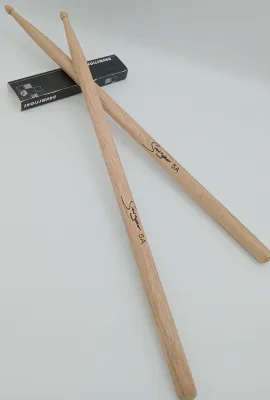
Prices are valid at publication and may change. Please refer to the product page for the latest price.
This lighter weight distribution plays a crucial role in protecting your wrist health. When you first start learning to drum, your hands and wrists use muscles and tendons in unfamiliar ways. Heavy sticks can quickly cause fatigue, leading to poor form, tense gripping, and potential strain. A lighter 7A stick allows you to practice for longer periods with minimal fatigue, helping you maintain a relaxed grip. Keeping your hands relaxed is the single most important factor in developing speed, control, and a natural rebound technique.
Furthermore, 7A drumsticks are perfectly suited for the environments where beginners spend most of their time. Whether you are practicing on a rubber practice pad at home, playing an electronic drum kit in a small bedroom, or performing low-volume acoustic sets, these sticks offer the delicate touch required for controlled dynamics. They are also the preferred choice for lighter musical genres such as jazz, acoustic pop, and traditional folk, where nuance and articulation are valued over sheer volume.
Key Specifications to Compare
When shopping for 7A drumsticks, you will encounter several wood types, each offering distinct characteristics in terms of weight, durability, and feel. Hickory is the most popular and widely available wood type for drumsticks. It is favored for its excellent shock absorption properties, which prevent excessive vibration from traveling into your hands, and its reliable durability. For a beginner, hickory offers a balanced, dependable feel that handles regular practice sessions with ease.

Maple is another common option, known for being significantly lighter and less dense than hickory. A maple 7A stick feels incredibly nimble and almost weightless in the hand, making it excellent for ultra-low volume playing or very fast patterns. However, because maple is softer, it is more prone to denting and splintering, meaning a pair may not last as long if you transition to harder hitting. On the other end of the spectrum is oak, which is highly dense, heavy, and exceptionally durable. An oak 7A stick will last a long time and pack a heavier punch despite its thin profile, but it transmits more shock to your wrists, which might feel uncomfortable during long practice sessions.
Another critical specification to compare is the tip material, which generally comes in either wood or nylon. Wood tips are the traditional choice, producing a warm, deep, and organic tone on both drums and cymbals. They come in various shapes, such as oval, teardrop, or round, each altering the contact area and resulting sound. However, wood tips can chip or soft-out over time, especially when striking cymbals at incorrect angles. Nylon tips, by contrast, produce a very bright, cutting, and articulate sound, particularly on ride cymbals. They are virtually indestructible, ensuring that the tip of your stick remains perfectly formed throughout its lifespan, which is highly beneficial for beginners who want consistent sound and longevity.
Finally, pay attention to the taper of the stick, which is the sloped section leading down to the tip. A long taper pushes the balance point toward the butt of the stick, making it feel lighter and offering a faster, more responsive rebound. A short taper keeps more weight near the front of the stick, providing more power and forward momentum but less delicate control. For beginners, a medium taper is highly recommended as it provides an even, predictable balance point that helps you learn how to control the stick’s natural pivot.
Quality Checks Before Purchasing
Before you finalize your purchase, performing a few quick quality checks can save you from the frustration of playing with defective or mismatched sticks. The most famous and effective test is the flat-surface rolling test. Place the drumsticks on a completely flat surface, such as a glass display counter or a smooth table, and roll them gently with your palm. A perfectly straight stick will roll smoothly and quietly. If you notice any wobbling, hopping, or a visible gap between the shaft and the surface as it rolls, the stick is warped. Warped sticks do not rebound predictably and can hinder your technique development.
Next, you should check the weight and pitch consistency of the pair. Even within the same wood species and manufacturing batch, natural variations in wood density can cause two sticks to feel completely different. Hold one stick in each hand to see if they feel balanced. To check the pitch, gently tap each stick against a hard surface near your ear, or tap them against each other. They should produce a very similar acoustic pitch. A significant difference in pitch indicates a mismatch in density, which means the sticks will rebound differently and feel uneven while playing.
Additionally, perform a thorough visual inspection of the wood grain. Look closely at the shaft of the stick and trace the lines of the grain from the butt end to the tip. Ideally, the grain should run straight and parallel to the length of the stick. If the grain lines run diagonally or exit out the side of the shaft (known as grain runoff), the stick is highly vulnerable to splitting along those lines under impact. Finally, run your fingers along the entire surface to check for splinters, rough patches, or uneven lacquer coatings. In the humid tropical climate of the Philippines, a smooth, consistent finish is essential, as excessive moisture can make poorly finished wood feel sticky or slippery.
Navigating Local and Online Music Stores
Finding the right 7A drumsticks in the Philippines involves choosing between physical music stores and online marketplaces. Visiting a physical music store is highly recommended for your first few purchases. It allows you to physically hold the sticks, test their weight, and perform the rolling and pitch-matching tests in person. Most dedicated music shops in major metropolitan areas carry a wide selection of percussion accessories and will gladly let you test the sticks on a practice pad before buying.
If you prefer the convenience of online shopping, you must take extra precautions to ensure you are purchasing authentic products. The digital market is flooded with cheap, counterfeit drumsticks that look identical to premium brands but are made from low-grade, brittle wood that can snap within minutes of use. To protect your purchase, always buy from official brand stores, flagship digital storefronts, or authorized local music distributors. Look for verified seller badges and read customer reviews carefully, paying close attention to any complaints regarding premature breakage or poor packaging.
Be wary of common red flags when browsing online listings. If the price of a premium brand pair is significantly lower than the standard retail price found on official distributor websites, it is highly likely a counterfeit. Other warning signs include vague product descriptions, missing manufacturer logos, or packaging that lacks official holographic stickers or barcodes. Investing in a genuine, high-quality pair from a reputable manufacturer ensures that you are practicing with a tool designed to support, rather than hinder, your physical development as a drummer.
Frequently Asked Questions (FAQ)
How long should a pair of 7A drumsticks last for a beginner?
For a beginner, the lifespan of a pair of 7A drumsticks depends heavily on your practice habits, setup, and technique. If you are practicing primarily on a rubber practice pad or an electronic drum kit with mesh heads, a single pair of high-quality hickory 7A sticks can easily last for several months or even a year, as these surfaces absorb impact without damaging the wood. However, if you are playing on an acoustic drum kit, the lifespan may be shorter.
As you learn, hitting cymbals at sharp angles or striking the metal rims of the drums (rimshots) with improper technique will cause the shoulder of the stick to fray and dent. You will know it is time to replace your sticks when you see deep gouges along the shaft, when the tip chips or flattens, or when the stick begins to feel hollow and loses its natural rebound. Regularly inspecting your sticks for hairline cracks can prevent them from snapping unexpectedly mid-practice.
Can beginners use 7A drumsticks for heavy rock or metal?
While you can technically use 7A drumsticks to play any genre of music, they are generally not ideal for heavy rock or metal. Because 7A sticks are thin and lightweight, they do not naturally produce the high volume, deep low-end punch, and projection required for heavy, aggressive music. To get a loud sound out of a thin stick, a beginner might feel forced to strike the drums much harder, which can lead to premature stick breakage and, more importantly, wrist strain from overexertion.
If your primary musical goal is to play heavy rock or metal, starting with a 7A is still excellent for your first few weeks of basic hand coordination and pad practice. However, as you transition to an acoustic kit and begin playing along with loud rock tracks, you should gradually transition to a slightly thicker 5A or even a robust 5B stick. This transition allows the weight of the stick to generate the necessary volume, keeping your hands relaxed and protecting your joints from the high impact of heavy playing.

Community discussion
Share your experience or ask a question. Comments are reviewed before publication.