
Choosing the right personal finance books when you receive your first salary in the Philippines requires balancing universal wealth-building concepts with local economic realities. While global bestsellers offer excellent foundational mindsets, they often lack the practical steps needed to navigate the local financial system, such as mandatory government contributions, local investment vehicles, and regional banking practices. To build a secure financial future, you must select books that teach both the psychology of saving and the concrete mechanics of the local market. By focusing on guides that address your specific career stage and economic environment, you can establish healthy financial habits that will serve you for decades.
Core Financial Topics to Look for in Beginner Books
When evaluating business finance books for your starter library, prioritize titles that address the immediate challenges of managing an entry-level salary. A solid introductory book must provide clear, actionable frameworks for budgeting and cash flow tracking. In the early stages of your career, understanding exactly where your money goes each month is far more critical than learning complex investment strategies. Look for authors who explain how to allocate your income systematically, helping you balance daily living expenses, transportation costs, and personal savings without feeling deprived.
In addition to budgeting, a practical guide must emphasize the importance of building an emergency fund and managing short-term debt. For young professionals, unexpected expenses—such as medical emergencies or sudden family needs—can easily derail financial progress if there is no safety net in place. The book you choose should offer step-by-step strategies for accumulating three to six months’ worth of living expenses. It should also provide clear methodologies for identifying and paying off high-interest consumer debt, such as outstanding credit card balances or personal loans, before you begin investing.
Products mentioned in this guide
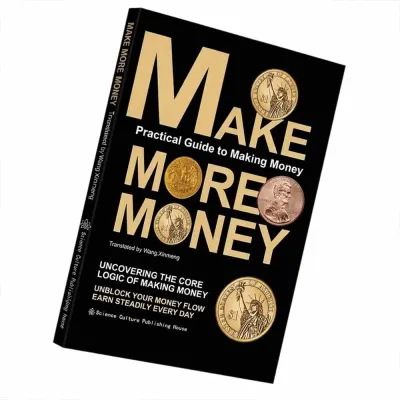
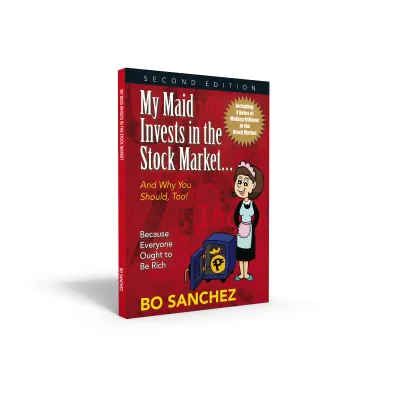
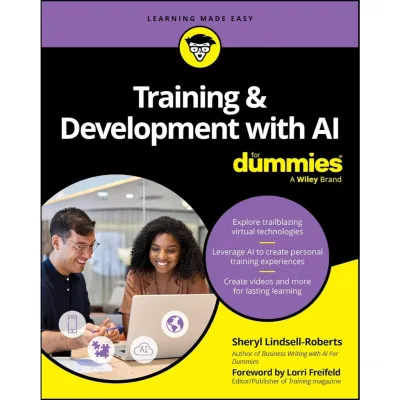
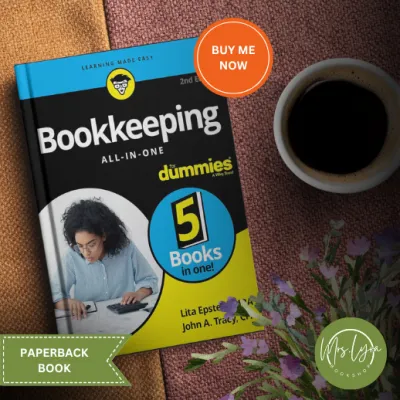
Prices are valid at publication and may change. Please refer to the product page for the latest price.
A well-rounded finance book should also introduce basic investing concepts and explore the psychology of money. It is not enough to know where to put your money; you must also understand why you make certain financial decisions. Look for chapters that discuss common behavioral traps, such as lifestyle inflation—the tendency to spend more as you earn more—and the social pressure to match the spending habits of your peers. By learning the psychological triggers behind impulsive spending, you can develop the discipline needed to maintain a high savings rate.
Finally, the book should guide you in setting realistic short-term and long-term financial goals. Your financial journey needs a destination, whether that is saving for a new laptop, securing a deposit for an apartment, or planning for long-term wealth accumulation. A good starter book will teach you how to break down these large, seemingly unattainable goals into manageable monthly targets, turning abstract financial ambitions into a concrete, step-by-step roadmap.
Evaluating Local Relevance and Context
While universal financial principles are highly valuable, you must verify if a book’s practical advice actually applies to the regulatory and economic landscape of the Philippines. One of the most critical elements to check is whether the book addresses local mandatory contributions and tax regulations. Your gross salary is subject to automatic deductions for the Social Security System (SSS), PhilHealth, and the Pag-IBIG Fund. A relevant local guide will explain how these deductions affect your net take-home pay and, more importantly, how you can actively leverage these government programs to your advantage.

For instance, the Pag-IBIG Fund offers a voluntary savings program known as the Modified Pag-IBIG II (MP2), which has become highly popular due to its tax-free dividends and government guarantee. A finance book tailored to the local market will explain how to enroll in such programs and integrate them into your savings strategy. Similarly, the book should cover local investment vehicles rather than focusing exclusively on foreign accounts like 401(k)s or Roth IRAs, which are inaccessible to residents of the Philippines. Look for discussions on the Personal Equity and Retirement Account (PERA), local mutual funds, Unit Investment Trust Funds (UITFs) offered by domestic banks, and the basics of trading on the Philippine Stock Exchange (PSE).
The local banking and digital ecosystem is another crucial area where international books fall short. The financial landscape in the Philippines has evolved rapidly with the rise of digital wallets and digital banks, which often offer significantly higher interest rates than traditional brick-and-mortar institutions. A relevant guide should help you navigate this ecosystem, teaching you how to choose the right bank accounts, minimize transaction and transfer fees, and safely utilize digital financial tools to grow your savings while protecting your personal data.
Ultimately, you must learn to recognize when universal financial principles need local adaptation. The core concept of “paying yourself first” is universal, but the specific tools you use to execute that concept—such as local high-yield savings accounts or retail treasury bonds—are highly region-specific. By selecting books that bridge this gap, you ensure that the hours you spend reading translate directly into actionable steps you can take at your local bank branch or through a licensed online broker.
Choosing the Right Format and Edition
Selecting the right format for your personal finance books depends heavily on your daily routine, learning style, and commuting habits. If you face long daily commutes in major urban areas, audiobooks or e-books on a mobile device can turn otherwise wasted transit time into highly productive learning sessions. Audiobooks are excellent for absorbing broad financial concepts and motivational mindsets while on the move. However, if you prefer to study actively, highlight key passages, and complete interactive worksheets, a physical paperback remains a highly effective option.
Before purchasing any finance book, always check the publication and revision dates to ensure the information is not obsolete. Financial regulations, tax brackets, and investment platforms change frequently. A book published over a decade ago may contain outdated tax tables or reference investment products that no longer exist. Look for recent editions or revised prints that reflect current economic conditions, ensuring that the advice you are following is legally accurate and practically viable in the current market.
Language and tone are also important considerations when building your starter library. Many local financial educators write in a conversational blend of English and Tagalog, commonly known as Taglish. This informal, highly relatable writing style can make complex financial jargon much easier to digest for beginners. If you find academic financial texts intimidating, look for books written in this accessible format, as they often explain difficult concepts using familiar cultural references and everyday scenarios.
Additionally, look for books that offer supplementary materials to help you implement what you learn. Many authors provide downloadable budget templates, interactive financial calculators, or access to online communities where readers can share their progress and ask questions. These practical tools are incredibly valuable for translating theoretical knowledge into daily financial habits, making it much easier to manage your first salary effectively.
Sourcing Authentic Copies and Avoiding Piracy
To ensure you are receiving accurate, complete, and high-quality information, it is essential to purchase authentic copies of your chosen finance books. The digital marketplace is flooded with counterfeit physical books and unauthorized digital reproductions. To avoid these, always source your books from reputable local bookstore chains, university presses, or official brand stores on major online marketplaces. Look for verified seller badges and read customer reviews carefully, paying close attention to photos uploaded by other buyers to verify the print quality.
Spotting counterfeit books requires a vigilant eye for common red flags. Unusually low prices are the most obvious indicator; if a popular personal finance book or a multi-book set is priced under ₱200, it is highly likely to be a pirated copy. Counterfeit physical books often suffer from poor print quality, including blurry or faded text, misaligned covers, thin paper that tears easily, and in some cases, entirely missing pages or chapters. These defects not only make the book difficult to read but can also cause you to miss critical financial tables or step-by-step guides.
Downloading pirated PDFs or purchasing unauthorized photocopies also carries significant practical and ethical risks. From a practical standpoint, unauthorized digital files downloaded from unverified websites frequently contain malware or spyware that can compromise your personal devices and digital bank accounts. Ethically, buying pirated material deprives local authors and publishers of the financial support they need to continue producing high-quality educational content tailored to the local market.
If you are managing a tight budget on your first salary, there are several legitimate and affordable ways to access personal finance literature. Many public and university libraries have expanded their collections to include popular financial guides, often available in both physical and digital formats. You can also search for verified second-hand book shops that sell authentic, pre-owned copies at a fraction of the retail price, or opt for official e-book versions, which are generally more affordable than physical paperbacks and completely free of security risks.
Frequently Asked Questions (FAQ)
Do I need to read international bestsellers or only local authors?
You do not have to choose exclusively between the two, as a balanced reading list should ideally combine both perspectives. International bestsellers are exceptional for developing a strong money mindset, understanding the psychology of wealth, and learning universal principles like compound interest and asset allocation. However, local authors are absolutely essential for the practical, step-by-step execution of these concepts within the specific regulatory and economic environment of the Philippines. Start with a local book to organize your immediate salary and government contributions, then read global classics to broaden your long-term financial perspective.
How many finance books should I read before starting to invest?
You only need to read one or two solid, beginner-friendly books to gain the minimum viable knowledge required to start investing. Waiting until you have read dozens of books often leads to analysis paralysis, where the fear of making a mistake prevents you from taking any action at all. Focus on understanding the basic concepts of emergency funds, inflation, and low-cost diversified investing, and then take action by opening a basic account with a small, manageable amount. Your financial education is a lifelong process, and the most valuable lessons often come from active, disciplined money management rather than endless reading.

Community discussion
Share your experience or ask a question. Comments are reviewed before publication.