
Building a financial foundation that is built to last requires more than just earning a steady income; it demands a structured approach to managing, saving, and growing your money. For young professionals in the Philippines navigating a fast-paced economy, high inflation, and unique local financial systems, selecting the right personal finance books is the first step toward long-term security. The market is flooded with wealth-building guides, but not every book aligns with your current financial stage or the economic realities of your daily life. To find books that offer lasting value, you must look beyond flashy titles and focus on timeless behavioral principles, adaptable budgeting frameworks, and verifiable investment strategies. By learning how to filter out irrelevant foreign tax laws while extracting universal wealth-building concepts, you can curate a personal library that serves as a practical roadmap. This guide will help you identify your specific reading needs, evaluate core financial themes, verify edition relevance, and build an actionable plan to turn page-bound advice into real-world prosperity.
Defining Your Wealth-Building Goals and Reading Needs
Before purchasing any personal finance book, you must conduct an honest assessment of your current financial literacy and identify your most pressing pain points. If you are currently struggling with high-interest credit card debt or personal loans, a book focused entirely on advanced stock market strategies will offer little immediate value and may even cause unnecessary frustration. Instead, your primary focus should be on finding literature that addresses debt reduction, cash flow optimization, and the psychological triggers behind impulsive spending. Conversely, if you already possess a stable emergency fund and have successfully managed your debts, your reading needs should shift toward wealth preservation, asset allocation, and understanding compound interest.
Aligning your reading choices with your long-term objectives ensures that the knowledge you acquire is built to last rather than serving as a temporary motivational boost. For instance, if your goal is to achieve early retirement or establish multiple passive income streams, you should seek out books that emphasize long-term asset growth, portfolio diversification, and the mechanics of compounding. If your objective is more immediate, such as saving for a down payment on a home or funding a child’s future education, you need books that offer practical advice on short-to-medium-term capital preservation and low-risk savings vehicles. By matching your reading material to specific, time-bound financial milestones, you prevent information overload and ensure that every chapter you read directly supports your personal roadmap.
Products mentioned in this guide
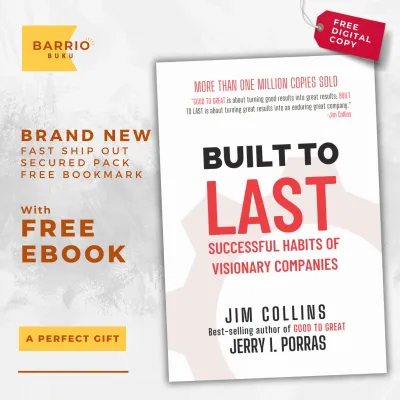
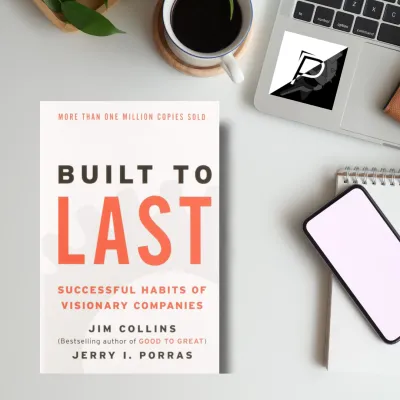
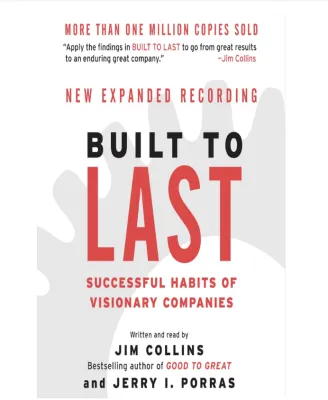
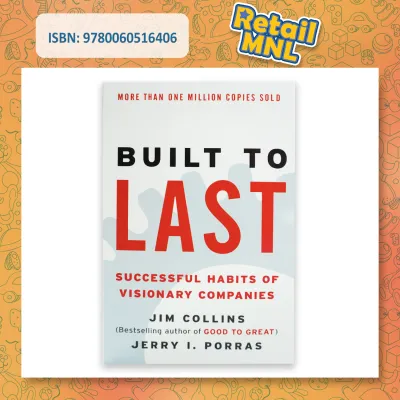
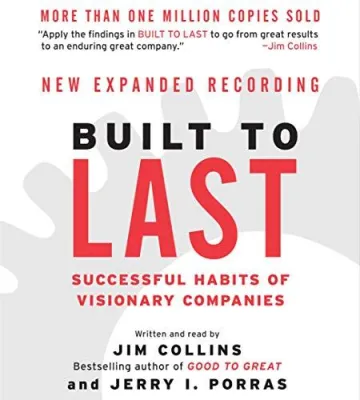
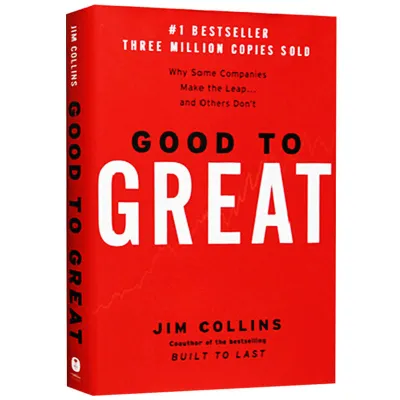
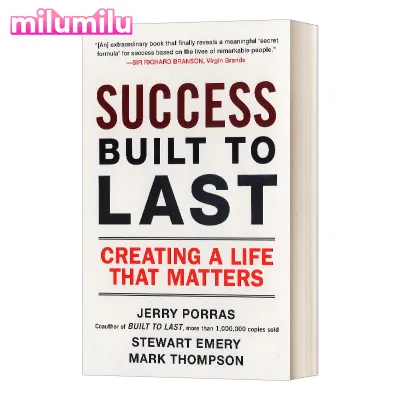
Prices are valid at publication and may change. Please refer to the product page for the latest price.
It is equally important to recognize the distinction between universal wealth principles and localized financial contexts when defining your reading needs. Universal principles—such as living below your means, paying yourself first, and understanding the relationship between risk and return—apply regardless of where you live. However, the practical execution of these principles is heavily influenced by local economic factors, such as the tax structures, retirement systems, and investment platforms unique to the Philippines. Understanding this distinction allows you to read foreign financial literature with a critical eye, extracting the core behavioral and mathematical truths while discarding specific advice that does not apply to your local environment.
Core Themes to Look for in Personal Finance Books
Developing a comprehensive and lasting wealth strategy requires a balanced reading diet that spans different financial disciplines rather than focusing on a single topic. Relying solely on motivational mindset books can leave you without the practical tools needed to manage daily cash flow, while focusing exclusively on technical investing manuals can lead to analysis paralysis or emotional decision-making during market downturns. To build a resilient financial foundation, young professionals should select books that cover three primary pillars: financial psychology, practical cash flow management, and foundational investing.

Financial Psychology and Mindset
The foundation of any successful financial journey lies in understanding your relationship with money, which is why books focusing on behavioral finance are critical for sustaining wealth over time. These books help you identify the emotional triggers and cognitive biases—such as lifestyle inflation, herd mentality, and loss aversion—that lead to poor financial decisions. By recognizing how social pressures and marketing tactics influence your spending habits, you can develop the self-awareness needed to resist impulsive purchases and maintain a high savings rate.
When evaluating books in this category, look for authors who address the psychological barriers to delayed gratification and offer strategies for maintaining long-term discipline. A valuable mindset book does not simply tell you to stop buying coffee; it explains the cognitive mechanisms behind habit formation and teaches you how to align your daily spending with your deepest personal values. This psychological shift is what transforms temporary budgeting efforts into permanent lifestyle changes, ensuring your wealth-building habits are built to last.
Practical Cash Flow and Debt Management
Once you have established a healthy financial mindset, you need practical systems to manage your daily cash flow and eliminate debt. Look for books that offer adaptable budgeting frameworks rather than rigid, highly restrictive formulas that are difficult to maintain in the face of fluctuating living costs. A good cash flow guide should teach you how to categorize your expenses dynamically, automate your savings, and adjust your budget as your income grows or your personal circumstances change.
Additionally, verify that the book provides clear, step-by-step methodologies for prioritizing debt repayment and building a robust emergency fund. Whether the author advocates for the debt snowball method or the debt avalanche method, the book should explain the psychological and mathematical trade-offs of each approach. It should also guide you on how to calculate the appropriate size of your emergency fund based on your job stability, health insurance coverage, and monthly living expenses, ensuring you have a reliable safety net before you begin investing.
Foundational Investing and Asset Growth
For the investing portion of your reading list, prioritize books that explain fundamental concepts like risk tolerance, diversification, and compound interest clearly and without relying on dense financial jargon. The author should demystify how different asset classes work and explain how inflation erodes purchasing power over time, highlighting the necessity of investing to grow your wealth. Avoid books that promise quick riches or promote speculative trading strategies, as these approaches rarely lead to lasting wealth.
Furthermore, ensure that the investment vehicles and asset classes discussed in the book are conceptually accessible to retail investors. While a foreign book might focus heavily on specific index funds or retirement accounts, the underlying strategy of low-cost, long-term index investing should be translatable to options available in your local market. The book should teach you how to evaluate investment fees, understand market volatility, and build a diversified portfolio that matches your personal risk profile and investment horizon.
What to Verify Before Buying: Editions, Formats, and Local Relevance
Before purchasing any personal finance book, it is essential to verify the publication date and check for recent edition updates. Financial regulations, tax laws, interest rates, and investment platforms change constantly, meaning a book published a decade ago may contain outdated or even misleading advice regarding specific financial products. For example, older editions might reference tax brackets, contribution limits, or investment vehicles that have since been restructured or phased out. Checking for the latest revised edition ensures that you are learning from the most current data and that the strategies presented are still compliant with modern regulatory frameworks.
You must also compare physical, e-book, and audiobook formats based on your personal reading habits, device compatibility, and study preferences. Physical books are highly advantageous for finance literature because they allow you to easily highlight key passages, write notes in the margins, and flip back and forth between chapters to reference charts, tables, and worksheets. However, if you have a long daily commute or travel frequently, e-books offer unmatched portability and allow you to carry an entire financial library on a single lightweight device. If you choose digital formats, verify the file compatibility with your e-reader and check if the publisher provides downloadable PDF companions for any visual data, charts, or worksheets included in the book. Audiobook formats are excellent for high-level conceptual books on financial psychology, but they can be difficult to follow when the author begins explaining complex mathematical formulas or detailed budgeting spreadsheets.
Evaluating the local relevance of a book is perhaps the most critical step for young professionals in the Philippines. While universal principles remain constant, specific advice regarding retirement accounts, tax brackets, and investment platforms must be carefully filtered. For instance, a foreign book’s detailed guide on utilizing a 401(k) or an IRA will not directly apply to your financial planning; instead, you must learn to translate those concepts to local equivalents, such as the Personal Equity and Retirement Account (PERA), the Social Security System (SSS), or voluntary savings programs like the PAG-IBIG MP2. Additionally, consider the physical preservation of your books if you opt for physical copies; the high humidity and tropical climate of the Philippines can easily damage paper pages over time, making proper storage in a dry, well-ventilated area essential to ensure your physical library is built to last.
Building a Sustainable Reading and Action Plan
Acquiring knowledge is only half the battle; the true value of personal finance books lies in how effectively you apply their lessons to your daily life. To prevent overwhelm, create a structured reading schedule that balances your learning goals with your daily professional and personal commitments. Rather than trying to read an entire book in a single weekend, commit to reading just ten to fifteen pages a day, which allows you to digest the concepts slowly and reflect on how they apply to your financial situation.
To bridge the gap between passive reading and active implementation, set up a simple action tracker where you document at least one core concept from each book to apply to your real-world finances. For example, after reading a book on cash flow management, your immediate action item might be to track your expenses for thirty days or automate a fixed percentage of your salary into a savings account. By focusing on executing one small, manageable change at a time, you build momentum and establish sustainable habits that compound over time, ensuring your financial progress is built to last.
Finally, recognize when to stop reading and start executing, as endless consumption of financial media can sometimes become a form of procrastination. While books provide an excellent foundation, they cannot replace the practical experience of managing your own money or the personalized guidance of a professional. If you encounter highly complex financial situations—such as estate planning, intricate tax structures, or advanced investment portfolios—it is wise to consult a licensed financial planner or professional advisor who can tailor a strategy specifically to your unique circumstances and goals.
Frequently Asked Questions (FAQ)
How do I know if a foreign finance book applies to the Philippines?
To determine if a foreign personal finance book is applicable to the Philippines, you must separate the author’s behavioral and mathematical principles from their country-specific advice. Core concepts such as compounding, diversification, living below your means, and the psychological drivers of spending are universal and apply perfectly to the local context. However, when the author discusses specific tax-advantaged accounts, government-backed retirement schemes, or local investment platforms, you must treat these as conceptual examples rather than direct instructions. Always cross-reference foreign financial structures with their local equivalents and verify current regulations, contribution limits, and tax implications with official local sources before making any investment decisions.
Should I buy physical books or digital formats for finance reading?
The choice between physical books and digital formats depends largely on your study habits and how you plan to interact with the material. Physical books are generally superior for highly technical finance guides that contain detailed charts, budgeting worksheets, or step-by-step mathematical formulas, as they allow for easy annotation, bookmarking, and quick cross-referencing. On the other hand, digital formats like e-books and audiobooks offer exceptional convenience, portability, and searchability, making them ideal for busy professionals who read during their daily commute. If you choose digital versions, ensure your e-reader is compatible with the file formats and check if the publisher offers downloadable supplementary materials for any visual data or worksheets.

Community discussion
Share your experience or ask a question. Comments are reviewed before publication.