
Entering the workforce and earning your first salary is an exciting milestone, but it also brings the immediate challenge of managing your own money. While there are thousands of personal finance and wealth-building books available, finding the right guide requires looking beyond flashy titles and generic advice. The best approach is to choose books that align with your current financial situation, offer practical steps you can actually execute, and respect the unique economic realities of living and working in the Philippines.
By selecting books that address your specific needs, you can avoid the common trap of feeling overwhelmed by financial jargon or discouraged by advice that does not fit your daily life. Whether you want to master basic budgeting, start investing in local markets, or build a profitable side hustle, the right book can serve as a valuable roadmap for your financial journey. Taking the time to choose your reading material carefully ensures that your study hours translate directly into better financial habits and a healthier bank account.
Why Local Context Matters in Financial Books
When you pick up a global bestseller on personal finance, you will often encounter concepts that do not translate directly to the Philippine financial landscape. For instance, discussions about specific retirement accounts like 401(k)s or Roth IRAs, or tax strategies designed for Western economies, are not applicable to local earners. Instead, young Filipinos must navigate Pag-IBIG Fund contributions, the Social Security System (SSS), PhilHealth, and local tax laws. A book that focuses heavily on foreign tax shelters will offer little practical value when you are trying to understand your first payslip.
Products mentioned in this guide
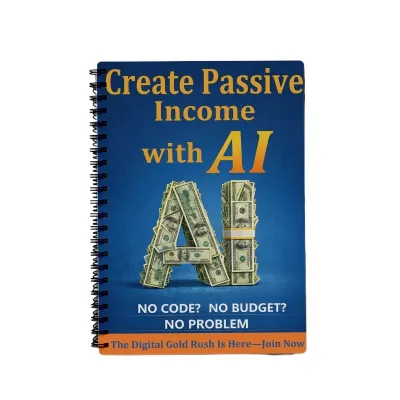
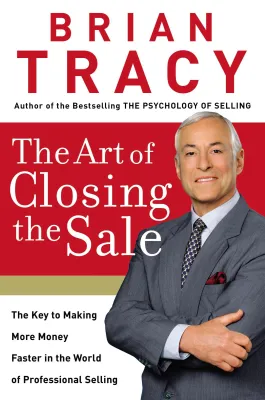
Prices are valid at publication and may change. Please refer to the product page for the latest price.
Cultural expectations also play a massive role in how you manage your money locally. Many young professionals in the Philippines face the reality of the “sandwich generation,” where they are expected to contribute to their household expenses, pay for a sibling’s education, or support extended family members while trying to build their own savings. A book written for an audience without these cultural obligations might offer advice that feels impractical or even guilt-inducing. Understanding how to balance family duties with personal financial growth is a crucial theme that only context-aware books can properly address.
The local banking and payment ecosystem also differs significantly from Western markets. While foreign books often assume a credit-card-heavy system or the widespread use of personal checks, the Philippine economy relies heavily on cash, digital wallets, and mobile banking apps. Local personal finance books are much more likely to address how to manage your money using these digital tools, making their advice immediately applicable to your daily transactions.
Furthermore, local inflation rates, the cost of daily commuting in metropolitan areas, and the unique challenges of the local job market affect how much you can realistically save. When evaluating whether to buy a book, consider if the author addresses these local realities. While international books are excellent for shifting your mindset and teaching universal economic principles, local authors are indispensable for providing actionable steps that work within the Philippine banking and investment infrastructure. They understand the local cost of living and can offer realistic advice on how to stretch a starting salary.
Key Categories of Finance Books for Beginners
To build a solid financial foundation, you need to identify which area of your finances requires the most immediate attention. Personal finance is not a single topic; it is a collection of distinct skills that build upon one another. Trying to learn complex investment strategies before you have mastered basic budgeting can lead to costly mistakes and unnecessary stress.

By categorizing books into specific pillars, you can match your reading list to your current career stage and financial goals. This targeted approach ensures you do not get overwhelmed by information that you are not yet ready to apply. It also allows you to track your progress systematically as you move from basic money management to advanced wealth-building strategies.
Budgeting, Saving, and Debt Management
For those who have just received their first few paychecks, the immediate priority is mastering cash flow. Look for books in this category that offer concrete, actionable frameworks rather than vague motivational speeches. A good budgeting book should teach you how to track expenses, build an emergency fund, and manage debt systematically. It should offer practical methods for allocating your income, such as the envelope system or digital budgeting techniques, that fit your lifestyle.
In the Philippines, building an emergency fund is particularly critical due to the frequency of natural disasters, such as typhoons, and unexpected medical emergencies where health insurance coverage might be limited. Books that emphasize the importance of a safety net tailored to these local risks are incredibly valuable. They help you understand how to calculate a realistic emergency fund size based on your monthly expenses and local living conditions.
It is also helpful to find authors who address the challenges of managing irregular income, which is common for freelancers, or living on entry-level salaries in major Philippine cities. The advice should be realistic, offering strategies to save even when your margins are tight, rather than suggesting unrealistic lifestyle cuts that do not fit your daily routine. Look for books that emphasize the psychological aspects of saving, helping you build discipline and resist the temptation of lifestyle inflation as your income grows.
Investing and Wealth Building
Once you have established a stable savings habit and built an emergency fund, you can transition to books about growing your wealth. When selecting introductory investing books, check if they cover investment vehicles that are actually accessible to you. The book should explain concepts like local mutual funds, Unit Investment Trust Funds (UITFs), the Philippine Stock Exchange (PSE), or high-yield digital banking accounts.
A prime example of a highly relevant local investment is the Pag-IBIG MP2 program, a government-backed voluntary savings program that offers tax-free dividends. This is an excellent, low-risk option for beginners that foreign books will never mention. A good local investing book will guide you through the process of opening an MP2 account, understanding its dividend history, and integrating it into your long-term savings plan.
Avoid guides that rely entirely on foreign brokerage platforms or tax-advantaged accounts that are unavailable to Philippine residents. The ideal investing book for a beginner demystifies compound interest and inflation, helping you understand how to protect and grow your purchasing power over time using local financial instruments. It should also teach you how to assess your risk tolerance and build a diversified portfolio that aligns with your long-term goals, such as buying a home or planning for retirement.
Side Hustles and Income Generation
Sometimes, the key to financial stability is not just saving more, but earning more. Books focused on side hustles and income generation are excellent resources for young professionals looking to diversify their revenue streams. Look for titles that teach scalable skills, freelancing strategies, or digital entrepreneurship that can be managed alongside a full-time job. These books should guide you through the process of identifying your marketable skills and finding clients or customers.
For young Filipinos, the rise of remote work and virtual assistance has opened up massive opportunities to work with international clients. Books that focus on global freelancing platforms can help you learn how to earn in foreign currencies, such as US dollars, while living in a lower-cost-of-living environment. This currency arbitrage is one of the fastest ways to accelerate your savings and investment goals.
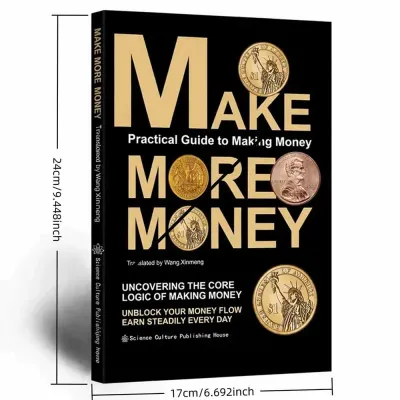
When evaluating a make more money book, verify that the business models discussed are viable and legal within the local market. The book should offer practical advice on setting up a small business, registering with the Bureau of Internal Revenue (BIR) if necessary, and navigating the digital economy from the Philippines. It should also address the practicalities of managing your time effectively so that your side hustle does not negatively impact your primary career.
How to Evaluate a Finance Book Before Buying
Before spending your hard-earned pesos on a new book, it is wise to perform a quick quality check to ensure the content is worth your time and money. First, look at the publication or latest revision date. Financial regulations, digital banking tools, and investment platforms change rapidly; a book written a decade ago might recommend outdated processes or obsolete platforms. Ensuring the book reflects the current digital landscape will save you from trying to use services that no longer exist.
Next, research the author’s credentials and track record. In the digital age, anyone can publish a book, so it is crucial to verify that the author has genuine expertise in the Philippine financial or business sector. Look for authors who are registered financial planners, established business owners, or respected financial educators with a history of helping local readers. Avoid authors who promise quick riches or promote high-risk, unregulated investment schemes that could jeopardize your savings.
Finally, take advantage of sample chapters or online previews before committing to a purchase. Read a few pages to assess whether the tone, language, and complexity match your current reading level. A book that is too academic might discourage you from reading, while one that is too simplistic might not provide the depth of knowledge you need to make real progress. Look for a writing style that is engaging, clear, and easy to relate to, which will make the learning process much more enjoyable.
Formats, Editions, and Where to Buy
Choosing the right format for your finance books depends heavily on your daily routine and learning style. Physical books are excellent for active studying, allowing you to highlight key passages, write notes in the margins, and easily flip back to reference tables. However, the tropical climate and high humidity in the Philippines can damage physical pages over time, so they require proper storage in a dry, well-ventilated area to prevent mold and yellowing.
If you have a long daily commute on public transportation or spend hours in traffic, e-books or audiobooks can turn that travel time into productive learning sessions. E-books are highly convenient as they can be stored on your phone or e-reader, allowing you to carry an entire financial library in your pocket. Audiobooks are perfect for multitasking, enabling you to listen while exercising, doing household chores, or commuting.
When purchasing, pay close attention to the language and edition of the book. Some complex financial concepts are easier to grasp when explained in a mix of English and Tagalog, which many local authors use to make their content highly accessible. Ensure the edition you are buying is complete and authorized, as abridged or poorly translated versions can omit crucial details or misinterpret financial terms.
To avoid pirated copies, which often contain missing pages, printing errors, or outdated information, always purchase from authorized sources. Look for established local bookstores, official flagship stores of reputable publishers on authorized e-commerce platforms, or direct digital downloads from the authors’ official websites. This ensures you receive an accurate, high-quality edition while supporting the creators who produce valuable educational content.
Building Your First Financial Reading Plan
To get the most out of your financial reading journey, avoid the temptation to read multiple books at once or rush through a bestseller just to finish it. Start by selecting one foundational book that addresses your most urgent financial need, whether that is creating a basic budget or understanding how to pay off student loans or personal debts. Focus entirely on that book until you have fully grasped its core concepts.
As you read, treat the book as a workbook. Take detailed notes, highlight key concepts, and commit to applying at least one practical lesson to your actual financial life before moving on to the next chapter. For example, if a chapter explains how to set up an automated savings transfer, pause your reading and set up that transfer in your mobile banking app. Taking immediate action helps reinforce what you have learned and turns theoretical knowledge into tangible financial progress.
Lastly, consider joining local online reading communities, personal finance forums, or study groups. Discussing what you read with other young Filipinos who share similar goals provides valuable accountability and allows you to share practical tips on how to implement the book’s advice in the local context. Sharing your experiences and hearing how others have successfully applied the same concepts can keep you motivated and inspired on your path to financial independence.
Frequently Asked Questions (FAQ)
Are translated finance books as effective as the original English versions?
Translated finance books can be highly effective if the translation is done carefully by an editor who understands both the language and the financial concepts. The main benefit of a translated edition is reading comfort, which can help you absorb complex ideas more easily. However, you should verify that key financial terms have been accurately adapted rather than literally translated in a way that loses their meaning. If you are comfortable reading in English, the original version is often preferred to avoid any potential translation errors, but a well-adapted local translation can be incredibly valuable for clear comprehension.
Should I read international bestsellers or books by Filipino authors first?
It is generally best to start with books by Filipino authors to establish a practical, context-specific foundation. Local books will give you immediate, actionable steps that you can apply to your current salary, local bank accounts, and tax situation. Once you have mastered the basics of budgeting and saving within the local system, you can expand your reading list to international bestsellers. These global titles are excellent for developing a wealth mindset, understanding macroeconomic principles, and learning universal strategies for business and investing that you can later adapt to the local market.

Community discussion
Share your experience or ask a question. Comments are reviewed before publication.