
Collecting holiday music on vinyl has transformed from a nostalgic pastime into a highly competitive pursuit for K-Pop and P-Pop enthusiasts. As the warmth of analog sound meets the vibrant energy of modern pop, seasonal releases have become prized centerpieces of physical music collections. However, navigating the holiday market requires a discerning eye. With a surge in festive pressings, distinguishing a genuine, high-value collector’s item from a standard, mass-produced reissue is essential to building a collection that holds both sentimental and financial value.
To make an informed decision this holiday season, you must evaluate specific physical markers, understand the distinct production landscapes of the Korean and Philippine music industries, and know how to verify the authenticity of your records. Furthermore, living in a tropical climate requires specialized knowledge to protect your investment from heat and humidity. By focusing on verifiable edition details, exclusive content, and proper preservation techniques, you can ensure that your festive vinyl acquisitions remain pristine for years to come.
What Makes a Holiday Vinyl Release Worth Collecting?
When evaluating a holiday vinyl release, the physical characteristics of the disc itself are primary indicators of collectibility. Limited edition markers often include unique color variants, such as translucent red, forest green, or opaque white, which align with the festive theme. Splatter vinyl, which features contrasting colors splashed across a base color, and picture discs, which display full-color artwork across the playing surface, are highly sought after for their visual appeal. However, collectors should note that picture discs are manufactured by laminating a printed picture between clear vinyl sheets, which can sometimes result in a slightly higher level of surface noise compared to standard or solid-colored vinyl.
Products mentioned in this guide
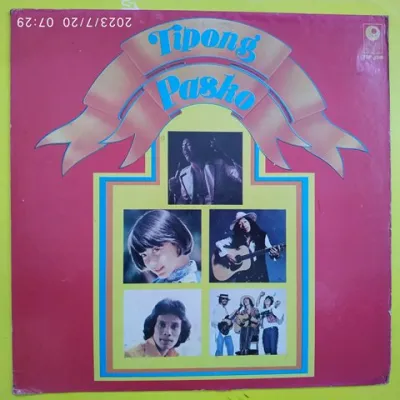

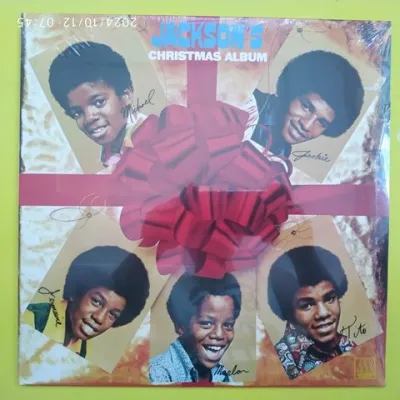
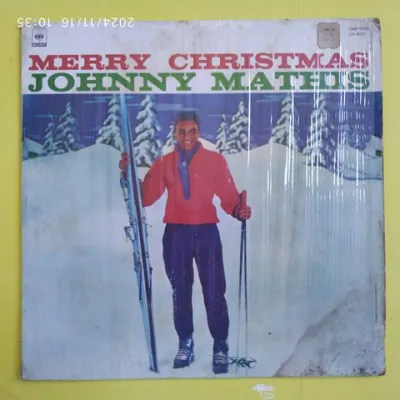


Prices are valid at publication and may change. Please refer to the product page for the latest price.
Beyond the disc, the packaging and physical inclusions play a significant role in determining a release’s long-term value. K-Pop and P-Pop releases are renowned for their elaborate packaging, often elevating a standard record jacket into a premium box set. Look for editions that include exclusive photobooks, seasonal greeting cards, lyric inserts, and custom felt slipmats. These physical components are unique to the vinyl release and are rarely replicated in standard CD or digital formats, making them highly prized by dedicated collectors.
Finally, the presence of exclusive audio content is a major factor in collectibility. A holiday vinyl record that simply replicates a digital streaming playlist offers less value to a collector than one featuring exclusive physical-only content. Prioritize releases that include unreleased holiday tracks, special acoustic versions, seasonal remixes, or instrumental versions that cannot be found on streaming platforms. This audio exclusivity ensures that the record remains a functional and unique piece of your music library rather than just a display item.
Key Differences Between K-Pop and P-Pop Holiday Pressings
Understanding the structural differences between the K-Pop and P-Pop vinyl markets is essential for setting realistic expectations regarding price, availability, and packaging. K-Pop holiday releases are backed by major global entertainment agencies with established international distribution networks. These releases typically feature highly elaborate physical packaging, extensive marketing campaigns, and strict global pre-order windows. Because these records are produced in large-scale overseas pressing plants, they are subject to international shipping fees, customs duties, and local retail markups. In the Philippines, a typical K-Pop holiday vinyl release generally ranges from ₱2,500 to ₱4,500, depending on the complexity of the packaging and the inclusion of exclusive merchandise.

P-Pop holiday pressings, by contrast, represent an exciting and rapidly growing local movement. Rather than relying on massive global distribution, P-Pop vinyl releases are often independent, grassroots projects. Local artists frequently collaborate with independent record stores in Metro Manila or boutique regional pressing services to produce highly limited runs. Because these production runs are often much smaller—sometimes limited to just 150 to 500 copies—P-Pop vinyl records can become incredibly rare very quickly. These local pressings generally retail between ₱1,800 and ₱3,500, offering a more accessible entry point for local collectors while supporting the domestic music ecosystem.
While K-Pop releases offer global standardization and elaborate multi-item packaging, P-Pop releases offer a unique, localized charm and extreme scarcity. The limited nature of local pressings means that missing a pre-order window often requires turning to the secondary market, where prices can rise quickly due to high local demand. Understanding these market dynamics helps you budget effectively and prioritize which releases to secure during initial pre-order phases.
How to Verify Authenticity and Edition Details
With the rising popularity of vinyl, verifying the authenticity of a holiday release is crucial to avoid purchasing counterfeit pressings or incorrect editions. The first step in verification is checking the catalog number and barcode. The catalog number is a unique alphanumeric code assigned by the record label, typically printed on the spine of the jacket, the back cover, and the vinyl record’s center label. Cross-reference this number and the barcode with official label announcements or trusted global music databases to ensure they match the specific holiday edition you intend to buy.
Next, inspect the physical security and authentication features on the packaging. Official K-Pop releases almost always feature a holographic authentication sticker, such as the KOMCA sticker, on the back cover. These stickers shift color under light and contain unique serial numbers that verify the release is authorized by the Korean music copyright association. For local P-Pop releases, look for official distributor seals, holographic labels, or hand-numbered certificates of authenticity that are often included in extremely limited local runs.
For advanced verification, examine the matrix runout of the physical vinyl disc. The matrix runout is the smooth, flat area of vinyl located between the final track of a side and the paper center label. Pressing plants stamp or etch specific codes into this area, which include the mastering engineer’s initials, the catalog number, and the pressing date. Verifying these etched markings against documented pressing details is the most reliable way to confirm that you are purchasing a genuine first pressing rather than a later reissue or an unauthorized bootleg.
Where to Find and Secure Limited Holiday Releases
Securing limited-edition holiday vinyl requires a proactive sourcing strategy, especially given the high demand during the festive season. Your primary option should always be official artist webstores and authorized local record shops in the Philippines. Established physical and online indie record stores in major metropolitan areas often secure official allocations directly from labels, allowing you to avoid the high international shipping fees and potential customs complications associated with importing records individually.
If a holiday release sells out during the pre-order phase, you will need to navigate online marketplaces and collector communities. When purchasing from secondary sellers on ecommerce platforms or social media trading groups, always prioritize safety. Check the seller’s feedback ratings, transaction history, and reputation within the collector community. Request high-resolution photos of the actual item, paying close attention to the corners of the jacket to check for seam splits, ring wear, or corner dings. Ask the seller to confirm the condition of both the jacket and the media using the standard Goldmine grading system, where “Mint” or “Near Mint” indicates pristine, unplayed quality.
To increase your chances of finding rare releases at fair prices, set up restock alerts on reputable music database marketplaces and join dedicated vinyl trading communities. Local collector groups on social media are excellent resources for finding fellow enthusiasts who trade or sell records at market value. Engaging with these communities not only helps you source hard-to-find P-Pop and K-Pop releases but also provides valuable insights into upcoming local pressings and store exclusives.
Caring for Your Holiday Vinyl Collection
Preserving the condition and value of your holiday vinyl collection requires careful maintenance, particularly when dealing with the tropical climate of the Philippines. High humidity and elevated temperatures are major threats to vinyl records and cardboard jackets, as they can cause warping, mold growth, and paper deterioration. To prevent warping, always store your records strictly upright on a sturdy shelf. Never stack records horizontally or lean them at a sharp angle, as the uneven pressure combined with ambient heat will warp the plastic over time.
To protect the vinyl grooves from dust, static, and physical wear, replace standard paper inner sleeves with high-quality, anti-static, round-bottom sleeves. Standard paper sleeves can shed fibers that scratch the vinyl surface and trap moisture, whereas anti-static sleeves protect the record from micro-scratches and repel airborne dust particles. Additionally, store the outer jacket in a clear, archival-grade plastic outer sleeve to prevent ring wear and edge scuffing.
Establish a consistent cleaning routine to maintain optimal playback quality. Use a carbon fiber brush before and after every spin to gently sweep away surface dust and static charge. For deeper cleaning, use an approved, alcohol-free vinyl cleaning solution and a soft microfiber cloth, wiping gently in a circular motion following the grooves. Ensure the record is completely dry before placing it back into its sleeve to prevent trapping moisture, which can lead to mold growth in humid environments. Finally, always handle your records by the outer edges and the center label to avoid transferring skin oils to the playing surface.
Frequently Asked Questions (FAQ)
Do K-Pop and P-Pop artists release Christmas vinyls every year?
No, holiday vinyl releases are not guaranteed annual events for K-Pop and P-Pop artists. These seasonal pressings are highly dependent on an artist’s current promotional cycle, overall label strategy, and physical production timelines. Because vinyl manufacturing plants worldwide face significant production backlogs, labels must plan vinyl releases many months in advance. Consequently, holiday vinyl records are typically treated as special, one-off projects or limited-edition anniversary releases rather than standard annual merchandise.
How can I tell if a colored vinyl is a true limited edition?
To verify if a colored vinyl is a genuine limited edition, check the outer jacket for printed edition numbers or exclusive retailer stickers. Many true limited runs are hand-numbered or feature hype stickers indicating the total number of copies pressed. Additionally, cross-reference the release on trusted global music databases to verify the total pressing run and check if the specific color variant was limited to a particular region, store, or pre-order window.

Community discussion
Share your experience or ask a question. Comments are reviewed before publication.