
Starting your professional journey in the Philippines brings a unique set of financial opportunities and career challenges. While global bestsellers offer foundational mindsets, navigating local realities requires a specialized strategy. Finding the right Filipino-authored success strategy and finance books involves looking for actionable guides tailored to the domestic economic landscape, local tax laws, and cultural workplace dynamics. By focusing on books that address these specific areas, you can build a practical roadmap for your career and personal finances.
Quick Framework for Choosing Local Strategy and Finance Books
To streamline your search for a practical “stratehiya tagumpay book” (strategy for success book), you need a reliable evaluation framework. Relying solely on unverified bestseller lists or social media trends can lead to purchasing books that offer generic motivation rather than actionable steps. Instead, focus on three core pillars: contextual relevance, verified author credibility, and immediate applicability to your current career stage.
An effective local finance book should address the specific economic environment you operate in daily. This means the content must go beyond universal advice like “spend less than you earn” and dive into the actual financial systems of the Philippines. Before purchasing, review the table of contents to ensure the author covers practical topics such as local banking, domestic investment vehicles, and realistic budgeting strategies.
Products mentioned in this guide

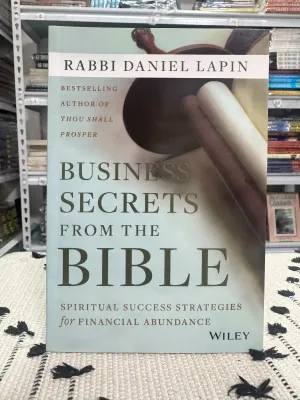
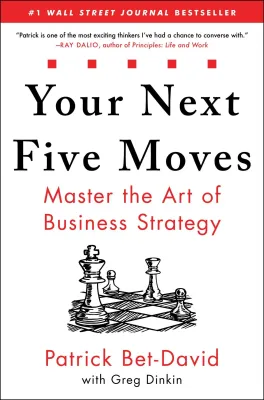
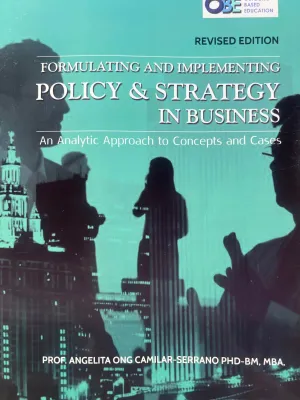
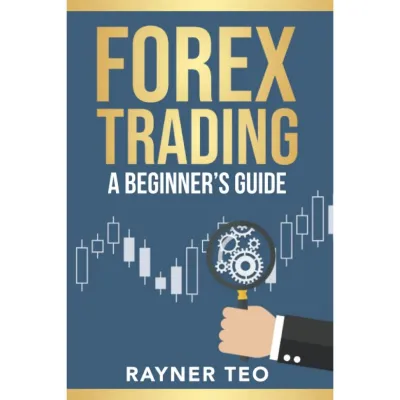
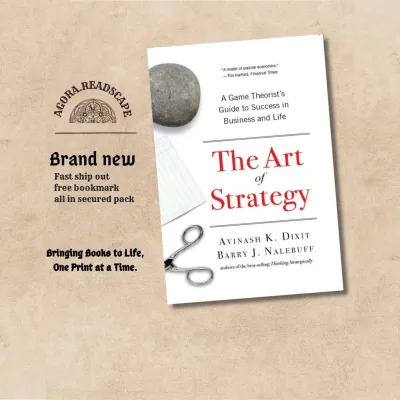
Prices are valid at publication and may change. Please refer to the product page for the latest price.
Evaluating the author’s background is equally critical. Look for professionals who have established careers in financial planning, corporate leadership, or entrepreneurship within the country. A credible author often holds recognized local certifications or has a documented track record of helping local professionals navigate their careers. By applying this quick screening process, you can avoid repetitive motivational literature and invest your time in books that offer genuine educational value.
Why Local Authorship Matters for Career and Financial Strategy
Many young professionals begin their financial literacy journey by reading international bestsellers. While these books are excellent for shifting your mindset, they often fall short when you try to apply their specific strategies to your daily life in the Philippines. The financial systems, regulatory frameworks, and economic realities of foreign countries do not translate directly to the domestic market.

For instance, foreign personal finance books frequently discuss investment accounts like 401(k) plans, Roth IRAs, or specific index funds that are inaccessible to local retail investors. A Filipino-authored book, by contrast, addresses the actual systems you encounter, such as the Social Security System (SSS), PhilHealth, and the Pag-IBIG Fund. Understanding how to maximize these mandatory government contributions and navigate domestic tax structures is fundamental to building a secure financial foundation.
Furthermore, local workplace culture plays a significant role in career advancement. Success strategies written for Western corporate environments may not align with the cultural nuances of local offices. Concepts like “pakikisama” (harmonious relationships), respect for hierarchy, and the dynamics of local professional networking require a nuanced approach. Local authors understand these cultural expectations and can provide realistic advice on how to negotiate salaries, secure mentorship, and advocate for promotions without disrupting workplace harmony.
Finally, the psychological and cultural aspects of money management in the Philippines are highly distinct. Many young professionals face family financial obligations, often balancing their personal savings goals with the responsibility of supporting parents or siblings. This “sandwich generation” dynamic is rarely addressed in international literature. Local authors offer empathetic, practical strategies for setting healthy financial boundaries with family members while still honoring cultural values and personal relationships.
Key Criteria for Evaluating Beginner-Friendly Local Books
When searching for a book to guide your early career and financial decisions, you must look beyond eye-catching covers and marketing slogans. Establishing a strict set of evaluation criteria ensures that the book you choose matches your current knowledge level and provides reliable information.
First, verify the author’s professional credentials and real-world experience. A reputable author in the personal finance space should ideally hold relevant certifications, such as being a Registered Financial Planner (RFP) or a Certified Public Accountant (CPA), or have extensive experience in the local financial sector. For career strategy books, look for authors who have held leadership positions in local industries or successfully built businesses in the Philippines. You can easily verify these credentials through professional networking platforms or official organization registries.
Second, examine the publication date and the specific edition of the book. Financial regulations, tax brackets, and investment landscapes change over time. A book published over a decade ago may reference outdated tax laws or obsolete investment platforms. Ensure that the edition you are purchasing has been updated recently to reflect current economic policies, such as recent tax reform packages or updated contribution tables for government programs.
Third, assess the book’s level of actionability. A valuable success strategy book should offer more than just inspirational anecdotes. Look for texts that include practical worksheets, step-by-step budgeting templates, local case studies, and clear frameworks. If a book only tells you why you should save money but fails to explain how to open a local savings account or allocate your income, it may not be the best tool for a beginner.
Lastly, confirm that the book aligns with your current career and financial baseline. Some books are written for seasoned investors or corporate executives, utilizing complex financial jargon and advanced strategies. As a young professional starting out, you need introductory material that explains basic concepts clearly, uses relatable examples, and addresses entry-level income brackets.
Core Themes to Prioritize in Entry-Level Local Books
To maximize the return on your reading time, prioritize books that focus on foundational pillars of personal and professional development. By cross-referencing a book’s table of contents with your immediate real-world needs, you can ensure you are acquiring knowledge that you can apply to your life today.
Personal Budgeting and Local Debt Management
Managing your daily cash flow is the first step toward financial independence. Look for books that offer budgeting frameworks adapted to local cost-of-living realities and high inflation rates. The book should address how to manage entry-level salaries while balancing daily expenses, transportation costs, and family support.
Additionally, debt management is a critical topic for young professionals. With the rise of digital banking, buy-now-pay-later (BNPL) schemes, and easily accessible credit cards, falling into debt has become increasingly common. Your chosen book should provide clear strategies for managing credit card utilization, understanding interest rates, and creating a structured plan to pay off personal loans or consumer debt within the local financial ecosystem.
Career Navigation and Workplace Strategy
Your primary income source is your career, making professional development a vital component of your financial strategy. Seek out books that outline how to navigate local office dynamics, build professional networks, and find reliable mentors within your industry.
The text should also cover practical career skills, such as preparing for performance reviews, negotiating salary increases, and evaluating employee benefits packages. Understanding the value of non-monetary benefits, such as health maintenance organization (HMO) coverage, flexible working arrangements, and professional development allowances, can significantly impact your overall compensation and career satisfaction.
Investing and Wealth Building in the Domestic Market
Once you have established a budget and managed your debt, the next step is learning how to grow your wealth. A beginner-friendly book should introduce local investment vehicles in a simple, easy-to-understand manner. Look for chapters explaining domestic mutual funds, Unit Investment Trust Funds (UITFs), the Pag-IBIG MP2 program, and the basics of the local stock market.
Crucially, the book must emphasize safety and regulatory compliance. It should teach you how to verify that any investment platform, broker, or financial institution mentioned is fully registered and licensed by the Securities and Exchange Commission (SEC) or regulated by the Bangko Sentral ng Pilipinas (BSP). This knowledge protects your hard-earned money from unauthorized schemes and high-risk, unregulated platforms.
How to Verify Book Editions and Authenticity
The rise of online shopping has made books highly accessible, but it has also increased the prevalence of counterfeit physical books and unauthorized digital copies. Purchasing an illegitimate copy not only deprives authors of their rightful earnings but can also leave you with missing pages, unreadable text, or outdated information.
To ensure you are buying an authentic book, start by checking the publisher’s official catalog. Note the correct International Standard Book Number (ISBN), the publisher’s name, and the official cover art of the latest edition. Comparing these details with the online listing can help you spot discrepancies.
Next, consider the language and format of the book. Many local authors write in English, Tagalog, or a blend of both (Taglish) to make complex financial concepts more accessible. Verify that the format you are purchasing—whether a physical paperback, an audiobook, or an e-book—matches your personal reading preferences and comprehension levels.
When buying physical books, learn to identify common signs of counterfeit copies. Pirated books often feature poor-quality binding, misaligned or blurry text, thin and low-grade paper, and covers with faded colors or low-resolution images. For digital formats, avoid purchasing PDFs or EPUB files from unauthorized individual sellers on online marketplaces. Legitimate e-books are typically sold through official publisher websites or established global digital book platforms.
Where to Source and Purchase Local Titles Safely
To guarantee that you receive an authentic, high-quality copy of your chosen book, you must select your purchasing channels carefully. Prioritizing authorized sellers ensures that your money supports the local publishing industry and the authors who create these valuable resources.
Your first choice should always be official publisher websites, established national bookstore chains, or verified author storefronts. Many local publishers and prominent bookstore chains operate official online stores, making it easy to order physical copies directly to your home. These channels guarantee authenticity and often carry the most recent editions of popular titles.
If you choose to shop on major online marketplaces or ecommerce platforms, take extra precautions to verify the seller. Look for “official store” badges or verified seller indicators. Read customer reviews carefully, paying close attention to photos uploaded by previous buyers to check the print quality. Avoid listings that feature suspiciously low prices, as these are almost always counterfeit copies.
For those on a budget or looking for out-of-print titles, consider alternative legitimate sources. University bookstores and local public library networks often carry excellent selections of local academic and professional development books. Additionally, some authorized secondhand bookshops specialize in sourcing pre-owned, authentic titles, allowing you to build your library sustainably and affordably.
Frequently Asked Questions (FAQ)
Are translated versions of foreign finance books as effective as local originals?
While translated versions of international bestsellers make foundational financial concepts accessible, they still suffer from a lack of local context. A translation changes the language, but it cannot alter the underlying financial systems discussed in the book. The text will still reference foreign tax laws, investment accounts, and economic conditions that do not apply to the Philippines. However, these books remain highly valuable for understanding universal principles, such as the psychology of saving, compound interest, and general wealth-building mindsets. For practical, step-by-step execution, local originals are far more effective.
How can I check if a book's financial advice is still legally and economically relevant?
To verify if a book’s advice remains relevant, you should cross-reference its key recommendations with current official sources. Check the websites of government regulatory bodies, such as the Bureau of Internal Revenue (BIR) for tax laws, the Bangko Sentral ng Pilipinas (BSP) for banking regulations, and the Securities and Exchange Commission (SEC) for investment compliance. Additionally, look for companion websites, social media updates, or revised editions provided by the author. Many local authors actively publish articles or host podcasts that address how recent economic shifts and policy changes affect the strategies outlined in their books.

Community discussion
Share your experience or ask a question. Comments are reviewed before publication.