
Managing anxiety is a deeply personal journey, and for many anxious people in the Philippines, self-help books serve as an accessible, private, and self-paced starting point. Navigating the mental health landscape can feel overwhelming, especially when searching for resources that genuinely address the physical and psychological toll of chronic worry. With a growing interest in mental wellness across the country, local bookshelves and online platforms are filled with titles promising relief, making it crucial to know how to separate evidence-based guidance from superficial advice.
Choosing the right book requires understanding your specific needs, the therapeutic frameworks that resonate with you, and where to find legitimate copies in the local market. Whether you are dealing with generalized anxiety, social anxiety, or panic symptoms, the right literature can provide practical coping mechanisms that fit into your daily life. This guide outlines how to evaluate self-help books, understand their underlying psychological approaches, and safely acquire them through physical and digital channels in the Philippines.
Understanding Different Therapeutic Approaches in Self-Help Books
Before purchasing any self-help book, it is highly beneficial to understand the psychological framework the author uses. Different books employ distinct therapeutic modalities, and what works for one reader might not resonate with another. Identifying these approaches helps you align a book’s methodology with your personal coping style and specific anxiety triggers.
Products mentioned in this guide
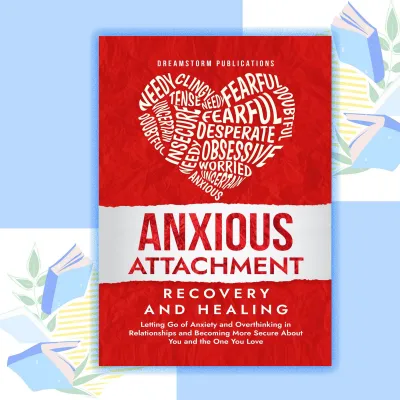
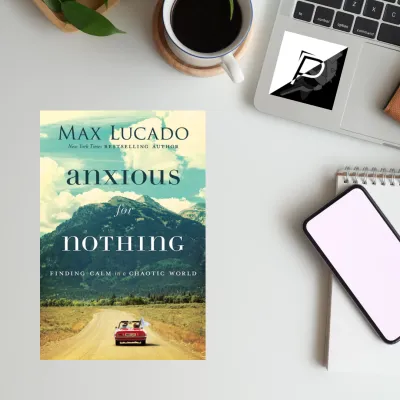
Prices are valid at publication and may change. Please refer to the product page for the latest price.
Cognitive Behavioral Therapy (CBT) is one of the most common and widely researched frameworks found in self-help literature. CBT operates on the premise that our thoughts, feelings, and behaviors are interconnected. Books based on CBT focus heavily on identifying negative or irrational thought patterns—often called cognitive distortions—and systematically challenging them. If you frequently experience “what-if” thinking, catastrophic predictions, or persistent worry about the future, a CBT-based book can provide highly structured exercises to help you restructure these thoughts and adopt more balanced perspectives.
Acceptance and Commitment Therapy (ACT) takes a different path by emphasizing psychological flexibility and mindfulness. Rather than trying to eliminate, change, or fight anxious thoughts, ACT teaches readers to accept their internal experiences while committing to actions that align with their personal values. This approach is particularly helpful for anxious people who feel exhausted by the constant struggle to make their anxiety go away. ACT-based books often use metaphors and experiential exercises to help you coexist with uncomfortable feelings while still living a meaningful life.
Mindfulness and somatic approaches focus on the mind-body connection and nervous system regulation. These methods are highly relevant in tropical environments like the Philippines, where physical symptoms of anxiety—such as a racing heart, shallow breathing, sweating, or heat-induced discomfort—can feel particularly intense. Books in this category emphasize breathwork, grounding techniques, and progressive muscle relaxation to calm the physical body first, which in turn helps quiet an overactive mind.
Exposure and Response Prevention (ERP) is a specialized behavioral approach primarily used for phobias, obsessive-compulsive tendencies, and severe avoidance behaviors. ERP-based books guide readers through gradual, systematic exposure to their anxiety triggers without resorting to their usual safety behaviors or avoidance tactics. This approach requires a high level of readiness, as it intentionally invokes mild anxiety to build long-term tolerance and break the cycle of fear.
Key Criteria for Evaluating Anxiety Books Before Buying
With thousands of self-help titles available, evaluating a book’s credibility before spending your money is essential. Not all books on the shelf are written by qualified professionals, and some may offer oversimplified or scientifically unsupported advice that can lead to frustration. Using a strict set of criteria ensures you select a high-quality, evidence-based resource.

First, verify the author’s professional credentials. Legitimate self-help books for anxiety are typically written by licensed clinical psychologists, psychiatrists, licensed clinical social workers, or academic researchers with advanced degrees (such as a PhD, PsyD, or MD) in mental health fields. Check the author’s biography on the back cover or search their professional background online to ensure they have clinical experience treating anxiety disorders. Be cautious of books written solely by lifestyle influencers or motivational speakers who lack formal clinical training.
Second, look for evidence-based content. A credible self-help book should explicitly reference established clinical practices and peer-reviewed scientific studies. The introduction or first few chapters should clearly state the therapeutic models used, such as CBT or ACT. Scan the back of the book for a bibliography, notes section, or reference list. The presence of academic citations indicates that the strategies presented are grounded in scientific research rather than personal opinion.
Third, prioritize books that offer actionable exercises. Reading about anxiety can provide intellectual comfort, but active practice is what facilitates behavioral change. Look for books or workbooks that feature interactive elements, such as thought logs, journaling prompts, behavioral experiments, and progress trackers. A good self-help book should function more like a practical manual than a passive reading experience.
Finally, ensure the book aligns with your specific type of anxiety. Generalized anxiety, social anxiety, health anxiety, and panic disorder have unique characteristics and require different coping strategies. A book focusing broadly on “stress management” may not provide the targeted tools needed to manage sudden panic attacks or intense social fears. Read the table of contents and the introduction to confirm that the book directly addresses your primary concerns.
Where to Buy and Borrow Self-Help Books in the Philippines
Finding genuine, high-quality editions of self-help books in the Philippines requires navigating both physical retail spaces and digital marketplaces. It is important to purchase from authorized sources to ensure you receive complete, well-printed copies, especially when using workbooks that require writing in the margins.
Physical bookstore chains in major Philippine cities remain a reliable option for browsing the psychology, health, and self-improvement sections. Visiting a physical store allows you to hold the book, inspect the layout, read a few pages to assess the writing style, and check the paper quality. In humid tropical climates, physical inspection also helps you verify that the binding is sturdy and the pages are free from moisture damage or poor ink printing.
When shopping on online marketplaces or ecommerce platforms, exercise caution to avoid counterfeit or pirated editions. Unauthorized reprints are common online and often suffer from missing pages, illegible text, low-quality paper, and binding that falls apart quickly. To protect your purchase, buy directly from the official online stores of established local bookstore chains or reputable independent booksellers. Always check seller ratings, read customer reviews, and look for photos of the actual book to verify its authenticity before checking out. Imported paperbacks typically range from ₱400 to ₱1,200, while local prints or digital editions may offer more budget-friendly alternatives.
For a more cost-effective approach, consider utilizing libraries and digital lending services. Many local university libraries and public library networks carry excellent collections of psychology and self-help literature. Additionally, digital subscription services and e-book platforms allow you to borrow audiobooks and e-books for a monthly fee. These digital formats are highly convenient for commuting in busy metropolitan areas or reading in low-light environments.
When deciding between formats, weigh the practical benefits of physical books versus digital editions. Physical workbooks are generally superior for anxiety management because they allow you to write directly on the pages, complete worksheets, and easily flip back to previous exercises. However, e-books and audiobooks offer unmatched portability and privacy, allowing you to listen to grounding exercises or read coping strategies discreetly while traveling or working.
How to Integrate Reading into Your Mental Health Routine
Simply buying a self-help book is not enough; how you engage with the material determines its effectiveness. Integrating a book into your daily routine requires a mindful, structured approach that prevents the reading process itself from becoming a source of pressure or anxiety.
Pacing is critical when reading self-help literature. Anxious readers often feel an urge to rush through a book to find an immediate “cure,” but this can lead to cognitive overload and increased stress. Instead, set realistic, gentle reading goals, such as reading one chapter per week or spending fifteen minutes a day with the book. Allow yourself time to digest the concepts and practice the exercises before moving on to the next section.
Employ active reading techniques to maximize the book’s value. Keep a dedicated journal alongside your book to write down your reflections, complete the exercises, and track your emotional state. Use highlighters or sticky notes to mark passages that resonate with you, making it easy to find key coping strategies during moments of high anxiety. Treat the book as an active learning tool rather than a novel.
It is also vital to know when to pause. Confronting anxious thoughts and behaviors can be emotionally taxing, and some exercises may temporarily increase your distress. If you find that a book’s tone, content, or exercises are triggering severe anxiety or feeling unhelpful, give yourself permission to set it aside without guilt. You can return to it when you feel more grounded, or choose a different book that offers a gentler approach.
When to Seek Professional Support Beyond Self-Help Books
While self-help books are valuable tools, they have clear limitations. Understanding when a book is insufficient and when professional intervention is required is a critical aspect of managing your mental health safely and effectively.
Recognize the signs of severe anxiety that require professional attention. If your anxiety significantly impairs your ability to perform daily tasks, maintain relationships, sleep consistently, or perform at work or school, self-help books should not be your sole resource. Physical symptoms such as chronic chest pain, severe panic attacks, or persistent insomnia also warrant a comprehensive evaluation by a medical professional.
Always view self-help books as supplements to, rather than replacements for, professional care. A book cannot diagnose a clinical condition, provide personalized feedback, or adjust strategies based on your unique psychological profile. For many individuals, books are most effective when used in tandem with professional therapy, serving as homework or reinforcement for skills learned during sessions.
If you need to find professional support in the Philippines, look for licensed psychologists or psychiatrists through verified channels. You can seek referrals from trusted family physicians, visit the outpatient psychiatry or psychology departments of major hospitals, or consult directories provided by accredited organizations such as the Psychological Association of the Philippines. Many professionals now offer teletherapy services, making professional mental health care highly accessible across different regions.
Frequently Asked Questions (FAQ)
Can reading self-help books make anxiety worse?
Yes, reading about anxiety can sometimes temporarily increase your distress. This often happens because self-help books require you to focus on and confront the very thoughts, physical sensations, and situations that trigger your anxiety. If you find yourself feeling overwhelmed, it is best to slow down your reading pace, skip highly triggering chapters temporarily, or switch to a gentler, mindfulness-based book that focuses on relaxation rather than active exposure.
Are workbooks better than standard reading books for anxiety?
The choice between a workbook and a standard reading book depends on your learning style and current needs. Workbooks are highly interactive and are best for individuals who want structured, hands-on practice, worksheets, and tracking logs to actively build coping skills. Standard reading books are better suited for those who want to understand the underlying theories, psychological concepts, and root causes of their anxiety before attempting practical exercises.
How do I know if a self-help book is based on real science?
To verify if a self-help book is scientifically grounded, start by checking the author’s biography for clinical credentials, such as a doctoral degree in psychology (PhD or PsyD) or a medical degree in psychiatry (MD). Next, look at the book’s structure; it should explicitly mention established, evidence-based therapeutic modalities like Cognitive Behavioral Therapy (CBT) or Acceptance and Commitment Therapy (ACT). Finally, check the back of the book for a comprehensive bibliography or reference list citing peer-reviewed scientific journals.

Community discussion
Share your experience or ask a question. Comments are reviewed before publication.