
Finding the right self-help book to manage daily stress and anxiety requires looking beyond bestseller lists. The most effective book is one that directly addresses your specific triggers while offering practical strategies that fit your actual living conditions. By understanding your personal stressors and evaluating books through a cultural lens, you can find a guide that truly supports your mental well-being.
Identifying Your Daily Stress and Anxiety Triggers
To find a book that actually helps, you must first diagnose what is causing your distress. Stress in a fast-paced urban environment or a highly connected community often stems from specific, localized pressures rather than abstract worries.
Workplace burnout is a major trigger, often compounded by long, exhausting daily commutes that eat into personal recovery time. When you spend hours in transit, your baseline anxiety is already elevated before you even arrive at your desk.
Products mentioned in this guide
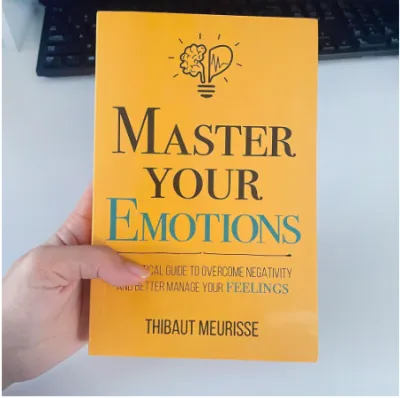
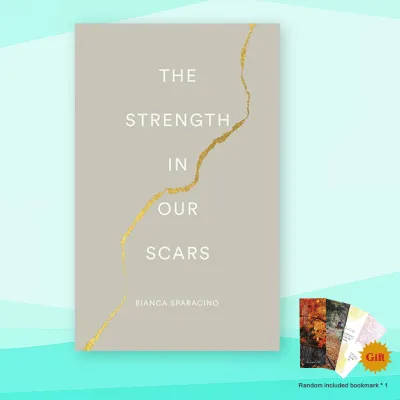
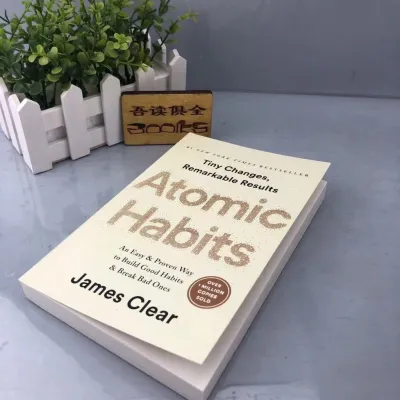
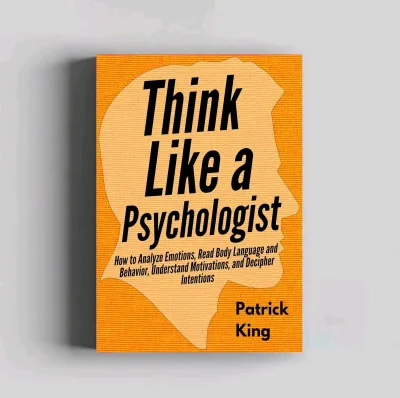
Prices are valid at publication and may change. Please refer to the product page for the latest price.
Family expectations and financial pressures also play a massive role. In close-knit households, balancing personal aspirations with collective responsibilities can create a unique form of quiet anxiety that standard Western self-help books might overlook.
Financial uncertainty and the rising cost of daily living can also cause chronic background anxiety. It is important to recognize if your stress is tied to these systemic pressures, as this will help you look for books that offer realistic, low-cost coping strategies rather than expensive lifestyle changes.
Once you pinpoint these triggers, you can define your reading goals. If your stress comes from overcommitment, look for books focusing on boundary-setting. If you struggle with constant worry during your daily commute, mindfulness or cognitive behavioral techniques might be more beneficial.
Key Criteria for Choosing Culturally Relevant Books
Not all self-help advice translates perfectly across different cultures. Many popular global bestsellers assume a highly individualistic lifestyle where personal boundaries are easily drawn and respected.

When evaluating a book, look for authors or case studies that reflect Southeast Asian or specifically Filipino family structures. A book that tells you to simply walk away from difficult family members might not be practical or culturally acceptable when you live in a multi-generational household.
Assess how the book addresses collective cultural values. Concepts like a deep sense of propriety or an overwhelming debt of gratitude can make setting boundaries feel like a betrayal. The right book should offer strategies that respect these values while still protecting your mental well-being.
Consider the physical and environmental realities of your daily life. A book that recommends a quiet, dedicated meditation room or a two-hour morning routine might not work if you share a bedroom or face a noisy neighborhood. Look for coping mechanisms that can be practiced in small, shared spaces or during a crowded commute.
Physical books and digital formats also interact differently with your environment. In tropical climates with high humidity, paperbacks can degrade quickly if not stored properly, making digital editions an attractive alternative. However, choosing digital formats means you must verify device compatibility and screen readability in bright outdoor light.
Verify the edition and format of the book before purchasing. Some international editions may have regional restrictions if you are buying digital formats, or they might lack specific chapters included in localized versions. Always check the publisher details to ensure you are getting a complete, authorized copy.
Evaluating a Book's Fit Before You Commit
Before spending your hard-earned money, take time to evaluate whether a book is truly a good fit for your current mental state and reading preferences.
Start by reading the introduction and the table of contents. This gives you a clear overview of the author’s core philosophy. If the introduction feels overly clinical or, conversely, too superficial, the rest of the book is unlikely to keep you engaged.
Sample a few pages or a chapter to assess the author’s tone. For managing anxiety, you generally want a voice that is empathetic, practical, and easy to understand. Avoid books that use overly dense psychological jargon unless you are specifically looking for an academic approach.
Look for feedback from local readers on online marketplaces or community forums. Their reviews can tell you if the book’s advice actually works in a local context or if the concepts feel too detached from daily life in the Philippines.
Always verify that you are purchasing from authorized sellers or reputable distributors. Buying bootleg copies or downloading unauthorized files often results in missing pages, poor print quality, or corrupted digital files, which can disrupt your reading flow and increase frustration.
Pay close attention to device compatibility and file formats if you prefer e-books or audiobooks. Ensure the digital platform you use supports the file type and that there are no regional playback restrictions that could prevent you from accessing the content after purchase.
Applying Book Concepts to Your Daily Routine
Reading a self-help book is only the first step; the real benefit comes from integrating its lessons into your daily life.
Avoid the temptation to overhaul your entire lifestyle overnight. If a book suggests ten different habits, pick just one small, manageable exercise to start with, such as a five-minute breathing technique or a simple journaling prompt.
Adapt generic exercises to fit your specific environment. For example, if a mindfulness exercise requires absolute silence, adapt it by using noise-canceling headphones during your daily commute or practicing it early in the morning before the rest of the household wakes up.
Track your progress over a few weeks. Note whether the exercises actually help reduce your daily anxiety levels or if they feel like an extra chore. If a technique causes more stress than relief, feel free to adjust it or try a different approach from the book.
Frequently Asked Questions (FAQ)
Can self-help books replace professional therapy for severe anxiety?
Self-help books are excellent supplementary tools for managing mild to moderate daily stress, but they cannot replace professional clinical treatment. Severe anxiety, panic attacks, or persistent depressive states require personalized care from a licensed mental health professional. If your anxiety severely disrupts your daily functioning, sleep, or relationships, or if you experience feelings of hopelessness, it is crucial to seek professional help from a clinic or counselor in the Philippines.
Are translated self-help books as effective as the original English versions?
The effectiveness of a translation depends heavily on how well the translator preserves the emotional nuance of the original text. Some psychological concepts or cultural idioms do not translate directly, which can sometimes make the advice feel less impactful. It is generally best to choose the language you are most comfortable processing complex emotional concepts in. If you think and express your emotions more naturally in Tagalog or a local language, a high-quality translation or a book written originally by a local author may resonate much more deeply than an English version.
Community discussion
Share your experience or ask a question. Comments are reviewed before publication.