
Protecting a keyboard or electric piano in the Philippines requires a cover that shields sensitive electronics from tropical humidity, fine dust, and accidental liquid spills. To choose the best waterproof cover, you must accurately measure your instrument’s dimensions, select a durable material with a protective coating like polyurethane (PU), and ensure a secure fastening system that prevents slipping. Taking these steps helps safeguard your investment and keeps your keys performing reliably for years.
While many musicians focus on the sound and feel of their instruments, environmental protection is just as critical to long-term performance. A high-quality cover acts as the first line of defense against daily wear and tear, especially in homes without continuous climate control.
Why Use a Waterproof Cover and What It Protects
Dust accumulation is a silent threat to electronic keyboards. Over time, fine dust particles settle between the keys, migrating down into the keybed where they can degrade the lubricating grease, wear down key guides, and block optical or rubber dome sensors. This buildup often results in sticky keys, inconsistent velocity response, or completely dead notes that require professional repair.
Products mentioned in this guide
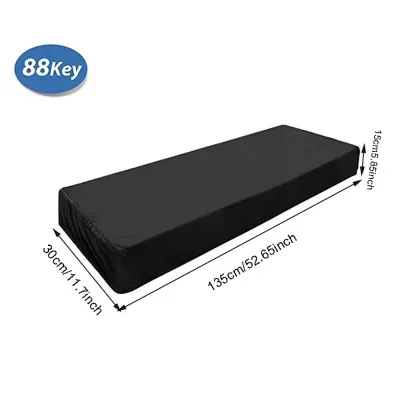
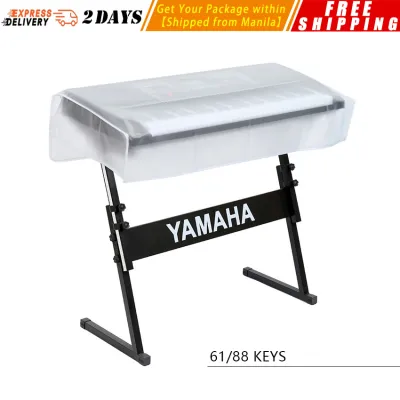
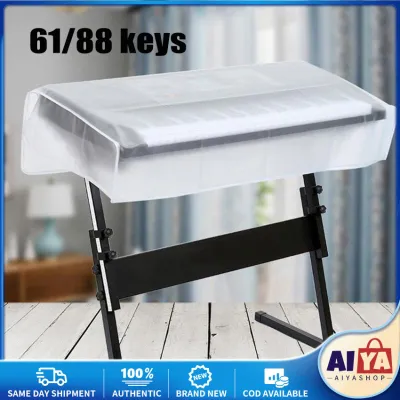
![[Fast Delivery] 61 Keys Electronic Piano Keyboard Dust Cover Waterproof Black With Elastic Cord Locking Clasp](https://img.lazcdn.com/g/p/a22f0eac4ebdff824eb25601e04060a9.jpg_400x400q80.jpg_.webp)
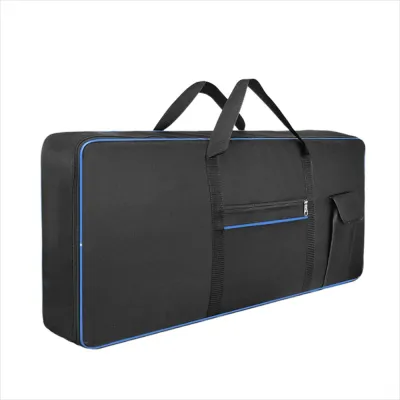
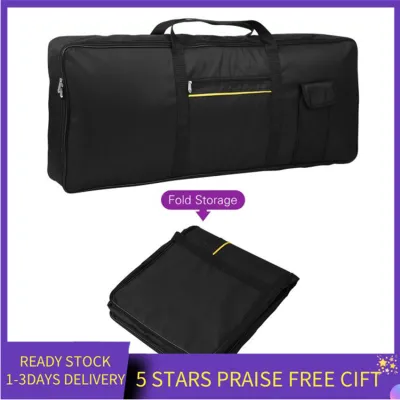
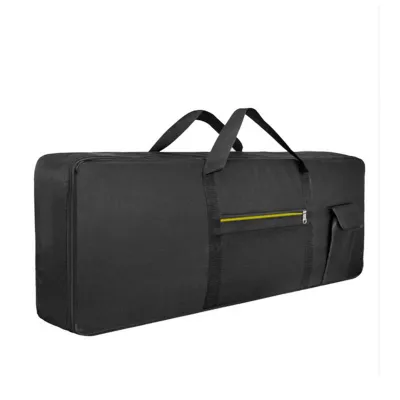

Prices are valid at publication and may change. Please refer to the product page for the latest price.
Moisture and humidity present an even greater challenge in tropical climates. The Philippines experiences high relative humidity year-round, which can accelerate the oxidation of internal copper traces, circuit boards, and metal contact strips. Ambient dampness can also cause the felt dampening strips inside the keybed to swell or rot, severely affecting the action and feel of your electric piano.
Accidental liquid spills pose an immediate, catastrophic risk to electronic instruments. A spilled glass of water, coffee, or soda can instantly short-circuit the main circuit board, leading to permanent component failure. A dedicated waterproof cover provides an impermeable barrier that keeps liquids from seeping into the delicate electronics underneath, whereas standard fabric covers merely absorb the liquid and let it drip through.
However, it is important to understand the limitations of these covers. While they excel at blocking dust, moisture, and spills, they do not offer protection against physical drops, heavy impacts, or structural crushing. For transport or high-risk environments, a padded gig bag or a flight-rated hard case remains necessary.
Measuring and Sizing: Ensuring a Proper Fit
To find a cover that offers complete protection, you must measure your instrument accurately. Start by measuring the maximum length from the outermost edge of the left side panel to the outermost edge of the right side panel. Next, measure the width from the front edge of the keys to the very back of the chassis. Finally, measure the height from the bottom of the keyboard base to the highest point of the control panel.

Be sure to account for any protruding parts that might alter the fit. Built-in music stands, pitch bend wheels, master volume sliders, raised control knobs, and rear cable inputs can all add extra inches to the overall profile. If you plan to leave your music stand attached while the instrument is covered, look for a cover with a dedicated zippered slot or select a slightly larger size to drape over the stand.
Universal-fit covers are widely available and categorized by standard key counts, such as 61-key, 76-key, or 88-key options. While these are highly accessible and budget-friendly, they often leave excess fabric that can look untidy or gather dust in the folds. Model-specific custom covers offer a tailored, sleek fit designed for your exact keyboard model, though they generally come at a higher price point.
Choosing the wrong size can compromise the cover’s effectiveness. A cover that is too tight stretches the fabric, putting immense strain on the seams and zippers, which eventually leads to tearing and water leakage. Conversely, a cover that is too loose can easily slip off when exposed to drafts or electric fans, allowing dust and ambient moisture to settle underneath.
Before making a purchase, always cross-reference your measurements with the official dimensions listed in your instrument’s user manual. Do not rely solely on generic key-count labels, as chassis designs vary significantly between slim stage pianos and bulky workstation keyboards.
Materials and Protection Levels: Understanding Your Options
Most keyboard covers utilize synthetic outer fabrics like polyester, nylon, or Oxford cloth. Oxford cloth is particularly favored for its exceptional durability and resistance to abrasions. It is rated by denier (D), such as 210D, 420D, or 600D, where a higher number indicates thicker, stronger threads that resist punctures from sharp music stand corners.
The waterproof capability of these fabrics relies on an internal coating or lining. Polyurethane (PU) coatings are thin, flexible, and lightweight, allowing the cover to fold down easily for storage. Polyvinyl chloride (PVC) backings offer superior waterproofing and a heavier weight, but they can be stiff and may scratch delicate plastic finishes if the cover lacks a soft inner lining.
It is crucial to understand the difference between splash-proof and fully waterproof ratings. Splash-proof materials allow water to bead up and roll off if wiped away quickly, but sustained pooling or heavy rain will eventually seep through the fibers. Fully waterproof materials prevent water penetration even under pressure, though the seams and zippers can still be vulnerable points if they are not heat-sealed.
In hot and humid environments, breathability is an important consideration. A completely sealed, non-breathable cover can trap ambient moisture inside, creating a greenhouse effect that promotes condensation and mold growth on wooden keys or felt parts. Look for covers that feature breathable side vents or semi-permeable membranes that allow moisture vapor to escape while blocking liquid water from entering.
Durability and ease of cleaning vary by material. Heavyweight Oxford cloth with a PU coating is generally the easiest to maintain, as it resists tearing and can be cleaned quickly. Always refer to the manufacturer’s care instructions, as improper washing can strip away the protective waterproof layers.
Design Features and Everyday Convenience
When choosing a cover, consider how its design fits into your daily routine. Full-wrap enclosure designs wrap completely around the bottom of the keyboard, offering maximum protection during long-term storage or transport. However, for daily practice, a top-only dust cover is much more convenient as it can be slipped on and off in seconds.
For top-only covers, look for designs that feature a rear cable cutout or a zippered flap. This allows you to keep your power supply, sustain pedal, and audio cables plugged in while the cover is on, saving you the hassle of unplugging and reconnecting your gear after every practice session.
Fastening mechanisms play a key role in keeping the cover secure. Elastic hems provide a quick, snug fit around the corners of the chassis. Drawstrings with adjustable cord locks allow you to pull the cover tight around the base, securing it against strong drafts. Velcro straps are excellent for anchoring the cover to your keyboard stand, ensuring it stays in place even if the instrument is bumped.
Some covers include external zippered pockets, which are highly convenient for keeping your sheet music, headphones, power adapters, and sustain pedals organized and in one place. This prevents accessories from being misplaced or scratching the keyboard’s surface when stored nearby.
For gigging musicians who frequently travel to rehearsals or performances, foldability and weight are essential factors. A lightweight cover that folds down into a compact size can easily fit inside your gig bag’s accessory pocket without adding unnecessary bulk, making it easy to protect your instrument on the go.
Pre-Purchase Checklist for Your Specific Model
Before finalizing your purchase from an online marketplace or a local music store, use this structured checklist to ensure compatibility and quality:
- Verify the Model Number: Locate your keyboard's exact model number on the rear or underside panel. Compare its physical dimensions against the cover manufacturer's compatibility list rather than relying on generic key-count categories.
- Read User Reviews: Search for feedback from other buyers who own the same keyboard model. Pay close attention to comments regarding fit accuracy, seam strength, zipper durability, and whether the material has a strong chemical odor.
- Check the Return Policy: Ensure the retailer offers a clear return or exchange policy. Because keyboard shapes vary widely, you may need to swap the cover for a different size if the fit is too tight or fails to cover the keys completely.
- Confirm Care Instructions: Verify how to clean the cover. Opt for covers that can be easily maintained with a simple wipe-down, as complex washing requirements can make daily maintenance a chore.
Taking the time to verify these details ensures you receive a cover that fits perfectly and provides reliable protection for your instrument.
Frequently Asked Questions (FAQ)
Can I use a regular cloth or blanket instead of a dedicated waterproof cover?
While a regular cotton cloth or blanket provides basic protection against dry dust, it offers zero protection against liquid spills or high humidity. Porous fabrics can actually absorb ambient moisture from the air and hold it close to your instrument, accelerating the corrosion of internal electronics. Furthermore, blankets lack secure fastening mechanisms like drawstrings or elastic hems, making them prone to slipping off and leaving your keys exposed.
Should I cover my electric piano immediately after playing?
It is best to wait a few minutes before covering your electric piano or keyboard after a long playing session. Electronic components, internal power supplies, and amplifiers generate mild heat during operation. Covering the instrument immediately can trap this warm air inside, leading to condensation as the unit cools down in an air-conditioned or humid room. Ensure the keys are dry from finger sweat, let the instrument cool to room temperature, and then apply the cover.
How do I clean and maintain a waterproof keyboard cover?
To maintain the integrity of the waterproof coating, avoid machine washing and harsh detergents. Instead, gently wipe the exterior surface with a soft, damp microfiber cloth and mild soapy water to remove dust and light stains. Never wring out the cover or place it in a mechanical dryer, as the heat and friction can crack the internal PU or PVC lining. Always hang the cover to air-dry completely in a shaded, well-ventilated area before placing it back on your instrument.

Community discussion
Share your experience or ask a question. Comments are reviewed before publication.