
Selecting your first guitar with a budget of ₱5,000 requires balancing cost with playability. In the Philippines, this price range is highly competitive, filled with both hidden gems and poorly constructed instruments that can frustrate a beginner to the point of quitting. To make a smart purchase, you must focus on structural integrity, neck straightness, and tuning stability rather than aesthetic extras like colorful paint or built-in electronics.
A budget of ₱5,000 is entirely sufficient to secure a reliable, playable instrument that will last for years if you know what details to inspect. By understanding the physical differences between guitar types and learning how to spot manufacturing flaws, you can confidently navigate local music stores and online platforms. This guide provides a practical framework to help you make an informed decision and start your musical journey on the right note.
Setting Realistic Expectations and Budget Priorities
When shopping with a ₱5,000 limit, it is essential to understand what materials and construction methods are realistic. At this price point, you will almost exclusively find guitars made of laminate wood rather than solid wood. While solid wood is highly prized for its rich tone, high-quality laminate is actually an excellent choice for beginners in the Philippines. Laminate wood consists of layered sheets pressed together, making it highly resistant to the extreme humidity and temperature fluctuations common in tropical climates.
Products mentioned in this guide
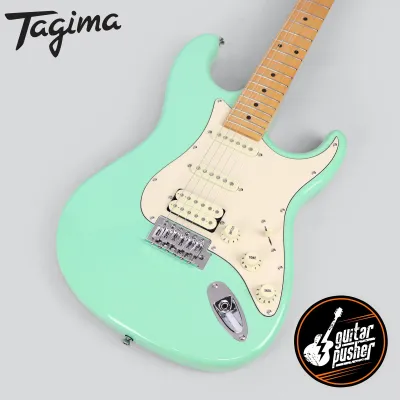
Prices are valid at publication and may change. Please refer to the product page for the latest price.
Your primary focus should be on the guitar’s core playability rather than its visual appeal. A plain, matte-finished guitar with a straight neck and stable tuning pegs is infinitely better than a glossy, brightly colored instrument that cannot stay in tune. Look for simple, functional designs and avoid paying extra for decorative bindings, pearloid inlays, or cheap built-in preamps. At this budget, every peso spent on cosmetics is a peso taken away from the structural quality of the wood and hardware.
Be wary of manufacturers that promise premium features at suspiciously low prices. A cheap acoustic-electric guitar under ₱5,000 often compromises on the quality of the wood and construction to accommodate the cost of the pickup system. Stick to pure acoustic or classical models to ensure that your budget goes entirely toward the structural integrity of the instrument.
Acoustic vs. Classical: Choosing Your String Type
One of the first decisions you must make is choosing between a steel-string acoustic guitar and a nylon-string classical guitar. This choice directly impacts both the sound of your instrument and the physical comfort of your practice sessions. Steel-string acoustic guitars produce a bright, crisp, and projecting tone that is highly suited for popular music, folk, and rhythmic strumming. If your goal is to play modern OPM hits or accompany sing-alongs, a steel-string model is the traditional choice.

However, steel strings exert high tension on the guitar neck and can be painful on beginner fingertips until you develop calluses. In contrast, classical guitars use nylon strings, which are much softer, thicker, and gentler on uncalloused hands. Classical guitars produce a warm, mellow, and intimate tone that is perfect for classical pieces, fingerstyle arrangements, and traditional folk songs.
Beyond the strings themselves, the physical dimensions of these instruments differ significantly. Classical guitars feature wider, flatter necks and greater spacing between the strings, which helps prevent accidental muting of adjacent strings but requires a larger hand stretch. Steel-string acoustics typically have narrower, slightly curved necks that are easier for smaller hands to wrap around. Consider your musical preferences and physical comfort when deciding, as both styles are excellent starting points.
Crucial Specifications to Verify Before Buying
Evaluating a budget guitar requires a hands-on inspection to ensure the instrument is physically playable and free of structural defects. The most critical specification to check is the string action, which is the height of the strings above the fretboard. If the action is too high, pressing the strings down will require excessive force, leading to hand fatigue and poor intonation. Ideally, the distance between the bottom of the string and the top of the 12th fret should be around 2.5mm to 3.0mm for steel-string acoustics, and slightly higher for classical guitars.
Next, inspect the straightness of the neck by looking down the edge of the fretboard from the headstock toward the body, similar to sighting a rifle. The neck should be almost straight, with a very slight upward curve called relief. A neck that is completely bowed or twisted will cause severe fret buzz or make the guitar unplayable. Ensure the guitar has an adjustable truss rod, which is a metal rod inside the neck that allows you to correct neck curvature as the wood reacts to seasonal humidity changes.
Run your fingers gently along both sides of the neck to check the fret edges. In budget manufacturing, frets are sometimes left unfinished, resulting in sharp metal edges that can scratch your hand during play. Additionally, perform a bridge inspection by checking the area where the wooden bridge meets the top of the guitar body. There should be no visible gaps, glue squeeze-out, or signs of the bridge lifting off the body, which is a common failure point under high string tension in humid environments.
Navigating Online Marketplaces and Local Music Stores
Deciding where to buy your guitar involves weighing the convenience of online shopping against the security of an in-person purchase. Visiting a physical music store or a dedicated local guitar pusher allows you to handle the instrument before handing over your money. You can feel the neck profile, hear the tone, and ask the shop staff to perform a basic setup or adjust the action. This hands-on experience is invaluable for a beginner who may not yet know how a proper guitar should feel.
If you choose to buy from an online marketplace or ecommerce platform, you must exercise extra caution to avoid shipping damage and counterfeit products. Stick to official brand stores or highly rated local distributors with a proven track record of safe packaging. Read customer reviews specifically looking for mentions of how the guitar was packed; a quality seller will ship the guitar inside a sturdy cardboard box with ample bubble wrap and fragile labeling.
Be highly skeptical of unbranded “toy” guitars sold at extremely low prices, such as under ₱2,000. These instruments are often made of cheap plywood, lack adjustable truss rods, and use painted fretboards that stain your fingers. Investing a bit more to reach the ₱3,500 to ₱5,000 range ensures you receive a real musical instrument backed by basic brand accountability and customer support.
Managing Accessory Costs and Checkout Totals
To keep your total expenditure strictly under ₱5,000, you must account for the cost of essential accessories that do not come with the guitar. A bare instrument is difficult to maintain and transport without the proper gear. At a minimum, you will need a padded gig bag to protect the guitar from dust and physical damage, a clip-on digital tuner to keep the instrument in pitch, a few medium-gauge picks, and a spare set of strings.
If you buy a guitar that costs exactly ₱4,500, you only have ₱500 left for these accessories. To maximize your budget, look for starter bundles offered by reputable local shops, which often include a gig bag, strap, tuner, and picks at a discounted package price. However, ensure that the guitar included in the bundle is of good quality, as a bundle of poor-quality accessories and a bad guitar is a poor investment.
When purchasing online, always calculate the final checkout total including shipping fees. Guitars are bulky items, and shipping costs within the Philippines can add several hundred pesos to your total, potentially pushing you over your ₱5,000 limit. Factor in these delivery fees and potential return shipping costs before finalizing your order to ensure your hobby starts within your financial comfort zone.
Frequently Asked Questions (FAQ)
Is a ₱5,000 guitar good enough to learn on?
Yes, a ₱5,000 guitar is absolutely good enough to learn on, provided it is properly set up. Many modern manufacturers produce highly playable entry-level instruments in this price range using durable laminate woods. The key to success is ensuring the string action is low enough for comfortable pressing and that the neck is straight. A well-adjusted budget guitar will not hinder your progress and can easily serve you through your first few years of learning.
Should I buy a cutaway body shape as a beginner?
A cutaway body shape features a curved indentation near the neck joint, allowing easier access to the highest frets. While it looks modern and professional, it is generally not a necessary feature for beginners, who spend most of their time playing open chords on the first few frets. At the ₱5,000 price point, non-cutaway (full-body) guitars often offer a slightly fuller, more resonant acoustic sound and better structural stability for the same price.
Do I need an acoustic-electric guitar at this price point?
It is highly recommended to avoid acoustic-electric guitars under ₱5,000. Adding a pickup system and preamp to a budget guitar increases manufacturing costs, which forces the maker to use cheaper wood or hardware to maintain the price point. For a beginner, a pure acoustic guitar offers much better structural quality and tone. If you eventually need to plug into an amplifier, you can easily purchase an affordable external soundhole pickup later.

Community discussion
Share your experience or ask a question. Comments are reviewed before publication.