
Finding the perfect mini guitar amplifier as a beginner involves balancing size, sound quality, and practical features that make daily practice enjoyable. For those starting their musical journey, a massive, high-wattage amplifier is often impractical, expensive, and far too loud for a typical residential setting. A mini guitar amplifier offers a compact, affordable, and highly portable alternative that allows you to hone your skills without overwhelming your living space. When choosing your first mini amp, you should focus on finding a unit that delivers clear sound at low volumes, offers versatile tone-shaping controls, and provides the necessary connectivity for silent practice and backing tracks.
In tropical environments where high humidity and temperature fluctuations are common, choosing a well-constructed amplifier is also a matter of longevity. Compact living spaces, such as condominiums or shared family homes, require gear that can be easily stored away or kept on a desktop without cluttering the room. By understanding the key specifications of these small but capable devices, you can make an informed decision that supports your learning goals for years to come.
Determine the Right Power and Speaker Size for Your Practice Space
When browsing mini guitar amplifiers, the first specifications you will encounter are wattage and speaker size. For home practice, high wattage is not a necessity; in fact, most mini amplifiers operate within a range of 1 to 10 watts. This wattage range is ideal for bedrooms, study areas, or small living rooms, as it allows you to push the amplifier’s volume to its sweet spot without creating a disturbance. A 3-watt or 5-watt solid-state amplifier can produce a surprisingly robust sound that easily fills a small room, giving you the feel of a larger amp at a fraction of the volume.
Products mentioned in this guide
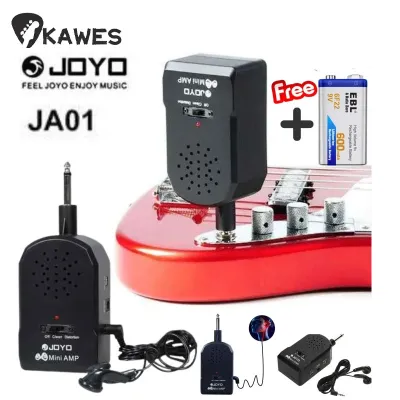
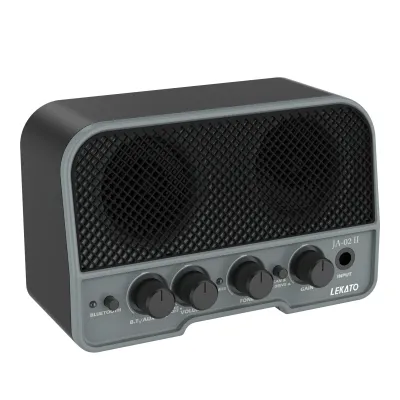
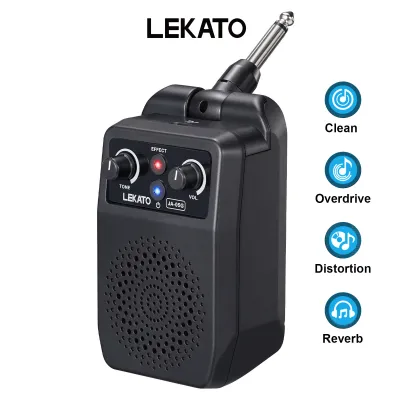
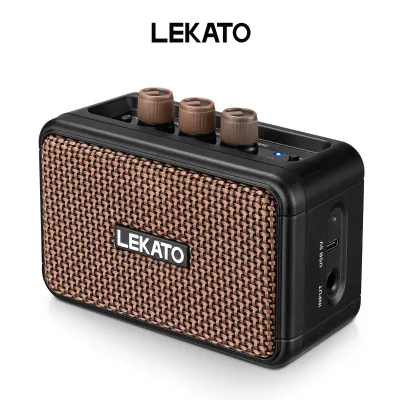
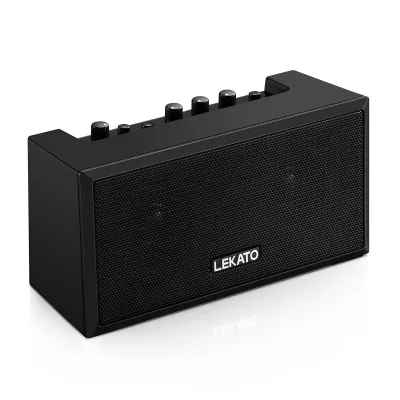
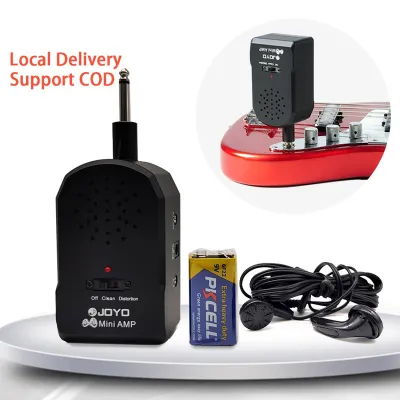
Prices are valid at publication and may change. Please refer to the product page for the latest price.
The size of the speaker driver inside the cabinet plays a critical role in shaping the overall character of your guitar’s tone. Mini amplifiers typically feature speakers ranging from 2 inches to 5 inches in diameter. While a smaller 2-inch speaker is incredibly compact and lightweight, it naturally struggles to reproduce deep bass frequencies, resulting in a thinner, more treble-focused sound. If you prefer a warmer, fuller tone with better low-end response, look for a mini amp with a 3-inch to 5-inch speaker, which strikes an excellent balance between physical portability and acoustic clarity.
Before making a final choice, measure the physical space where you plan to keep the amplifier. Many beginners prefer to place their practice amp directly on a desk next to their computer or on a nearby bookshelf. Check the manufacturer’s specified dimensions and weight to ensure the unit fits comfortably on your chosen surface without crowding your study or work area. A lightweight unit weighing under two kilograms is easy to reposition, allowing you to move your practice setup from the bedroom to the living room whenever inspiration strikes.
Evaluate Built-in Effects and Tone Shaping Controls
The ability to shape your guitar’s tone directly from the amplifier control panel is essential for exploring different musical genres. As a beginner, you do not need a complex array of external effects pedals to get started; instead, a mini amp with versatile built-in controls can provide all the sonic variety you need. Look closely at the equalizer (EQ) section of the amplifier. While some ultra-compact models feature a single tone knob that simply shifts the sound from dark to bright, other models offer dedicated bass, middle, and treble controls, allowing you to fine-tune your sound to match specific songs.

Having access to built-in overdrive or distortion is highly beneficial if you plan to play rock, blues, or metal. Many mini amplifiers feature a simple switch or button that toggles between a clean channel and a distorted drive channel. More advanced mini modeling amplifiers go a step further by offering multiple digital amp models, which simulate the distinct tonal characteristics of classic vintage, crunch, and high-gain amplifiers. This variety allows you to experiment with different sounds and discover what style of music you enjoy playing most.
In addition to distortion, built-in modulation and ambient effects can greatly enhance your practice sessions. Effects like reverb, delay, and chorus add depth and space to your guitar tone, making even simple exercises sound more polished and professional. A touch of built-in reverb can make a dry-sounding bedroom feel like a spacious hall, which can boost your confidence as you practice. Look for an amplifier that offers these effects through simple, intuitive knobs, ensuring you spend more time playing and less time menu-diving.
Check Connectivity for Silent Practice and Backing Tracks
A successful practice routine relies heavily on your ability to play along with music and practice without causing a distraction. This makes the connectivity options on a mini guitar amplifier some of the most important features to evaluate. A dedicated headphone output is a non-negotiable feature for any modern practice amp. Check the size of the headphone jack; a 3.5mm output is highly convenient because it allows you to plug in standard consumer headphones or earbuds without needing a bulky adapter.
Playing along with backing tracks or metronomes is one of the fastest ways to improve your timing and rhythm. To facilitate this, look for an amplifier that includes an auxiliary input or wireless Bluetooth audio streaming. An auxiliary input allows you to connect your smartphone, tablet, or laptop using a standard audio cable, while Bluetooth offers a clutter-free, wireless connection. This setup lets you mix the audio from your instructional videos or backing tracks directly with your guitar signal, sending both sounds clearly through your headphones or the amp’s speaker.
If you are interested in recording your playing or sharing your progress online, consider an amplifier with a USB port or a dedicated line-out. Some mini amplifiers can function as a basic USB audio interface when connected to a computer or mobile device. This feature allows you to record clean, digital audio directly into a digital audio workstation without the need for an external audio interface or a microphone. It is a highly valuable feature for beginners who want to document their learning journey or create simple covers.
Compare Power Sources and Portability Requirements
The power source of your mini amplifier determines how and where you can use it. If you plan to keep your amplifier permanently on a desk, a standard AC power adapter is the most reliable and cost-effective option. However, if you want the freedom to practice in different areas of your home, take your guitar to a friend’s house, or play outdoors, battery power is essential. Many mini amplifiers offer dual power options, allowing you to run the unit on batteries when traveling and plug it into the wall when practicing at home.
When evaluating battery-powered options, pay close attention to the type of batteries required and the estimated battery life. Some models run on standard AA alkaline batteries, which are widely available but can quickly become an ongoing expense if you practice several hours a day. Other modern mini amplifiers feature built-in rechargeable lithium-ion batteries that can be charged using a standard USB-C cable. While rechargeable models may have a slightly higher upfront cost, they offer significant long-term savings and convenience.
Portability also depends on the overall build quality and physical design of the amplifier. Since mini amps are meant to be moved around, they should be durable enough to handle daily wear and tear. Look for cabinets made from impact-resistant plastics or sturdy wood composites, and check for protective features like reinforced corner guards and rubber feet that prevent the amp from sliding on smooth surfaces. A comfortable, integrated carrying handle or a shoulder strap attachment makes transporting your amplifier effortless, ensuring it remains a practical companion wherever you go.
Build Your Shortlist and Verify Before Purchase
Once you have identified the features that matter most to you, it is time to build a shortlist of potential mini amplifiers and prepare for your purchase. Establish a realistic budget in Philippine Pesos (₱) to help narrow down your options. Basic mini amplifiers can start as low as ₱1,500, offering simple clean and overdrive channels, while highly versatile digital modeling amplifiers with Bluetooth and built-in effects typically range from ₱3,500 to ₱7,000. Setting a budget helps you focus on the models that offer the best value for your specific needs.
Before finalizing your purchase, double-check the instrument compatibility of the amplifier. Standard mini guitar amplifiers are specifically voiced and designed for electric guitars. If you play an electric bass, you must look for a dedicated mini bass amplifier, as the low frequencies of a bass guitar can easily distort and damage the small speaker of a standard guitar amp. Similarly, if you play an electro-acoustic guitar, an acoustic-specific mini amp will provide a much cleaner and more natural sound reproduction.
Finally, pay close attention to where you purchase your amplifier, whether you are shopping on an online marketplace or visiting a local music store. Verify the seller’s reputation, read customer feedback regarding shipping and packaging, and carefully review the warranty terms. A reliable warranty is particularly important in tropical climates, where high humidity can sometimes affect electronic components over time. Ensure the seller offers a clear return policy in case the unit arrives damaged or does not meet your expectations, giving you peace of mind as you start your musical journey.
Frequently Asked Questions (FAQ)
Can I use a mini guitar amplifier for an acoustic guitar?
Yes, you can physically plug an electro-acoustic guitar into a mini electric guitar amplifier, but the resulting sound may not be ideal. Electric guitar amplifiers are designed to color and shape the tone, which can make an acoustic guitar sound overly mid-heavy, boxy, or harsh. Additionally, acoustic guitars are highly prone to feedback when played through amplifiers that are not specifically voiced for them. If you primarily play acoustic guitar, it is best to look for a mini amplifier designed specifically for acoustic instruments to ensure a natural, clean tone.
Do I need a special cable to connect my phone to the amplifier?
To connect your phone physically, you will typically need a standard 3.5mm auxiliary cable. If your smartphone does not have a headphone jack, you will also need a compatible adapter, such as a USB-C or Lightning to 3.5mm dongle. Alternatively, if the mini amplifier supports Bluetooth audio, you can connect your phone wirelessly without any cables. Always check the amplifier’s manual to confirm whether the auxiliary input is designed for stereo or mono signals to ensure optimal audio playback.
Is a low-wattage amplifier loud enough for a small bedroom?
Absolutely. A low-wattage mini amplifier, even one rated at just 3 watts, is more than loud enough for a small bedroom or study space. These amplifiers are specifically engineered to deliver clear, satisfying tones at volumes that are comfortable for indoor practice without disturbing your family or neighbors. However, keep in mind that these compact units are not designed to compete with acoustic drums or loud band setups, so they are not suitable for live band rehearsals or large venues.

Community discussion
Share your experience or ask a question. Comments are reviewed before publication.