
Selecting the right harness for a snare drum is one of the most critical decisions a beginner percussionist can make. While many new players focus entirely on the drum itself, the method used to carry and support the instrument directly influences playing technique, physical comfort, and long-term spinal health. A well-fitted harness transforms the playing experience, allowing a student to focus on rudiments and timing rather than struggling against the weight of the drum. For beginners in the Philippines, finding a balance between ergonomic support, durable hardware, and materials suited for a warm, humid climate is key to maintaining a consistent and enjoyable practice routine.
Why a Proper Harness Matters for Beginners
Beginning drummers often underestimate the physical toll of supporting a snare drum, especially during extended marching rehearsals or stationary practice sessions. A standard marching snare drum can weigh several kilograms, a load that quickly strains the neck, shoulders, and lower back if not supported correctly. A proper harness distributes this weight evenly across the shoulders, upper back, and hips, keeping the spine in a neutral, upright position. This structural alignment is crucial for young, growing players whose skeletal systems are still developing and are highly susceptible to posture-related strain.
Beyond physical safety, a harness plays a fundamental role in technique development. When a drum is unstable or hangs at an awkward angle, the player must constantly tense their arms and shoulders to compensate. This tension restricts wrist movement, limits speed, and leads to early fatigue. By securing the drum firmly against the torso, a high-quality harness provides a stable, predictable playing surface. This stability allows the drummer to relax their upper body, maintain proper elbow angles, and focus on clean stick strokes and consistent rebound control.
Products mentioned in this guide
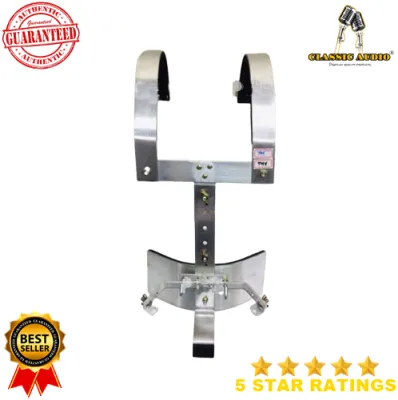
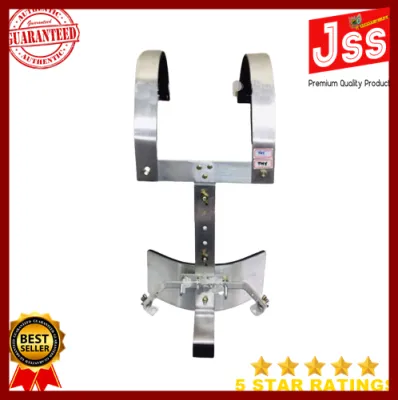
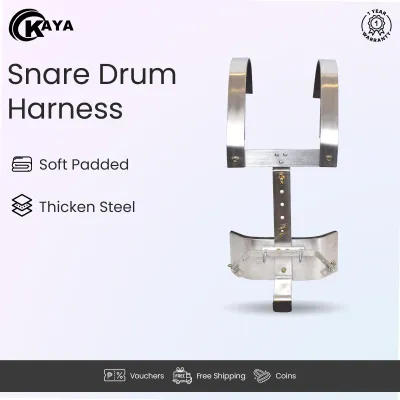
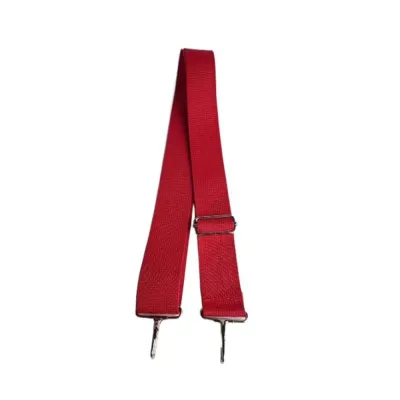
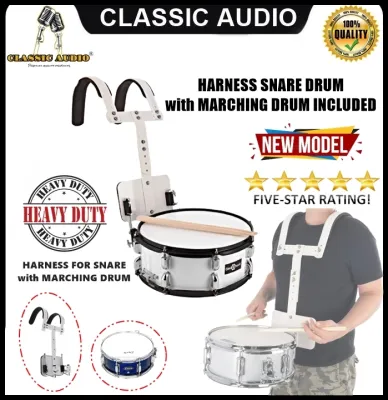
Prices are valid at publication and may change. Please refer to the product page for the latest price.
Furthermore, proper weight distribution directly impacts a drummer’s breathing and endurance. When a heavy instrument pulls forward on the shoulders, it compresses the chest cavity, making deep diaphragmatic breathing difficult. A well-designed harness opens up the chest, allowing for full lung expansion. This is particularly important for marching percussionists who must perform complex physical maneuvers while playing. By reducing physical strain and optimizing breathing, the right carrier helps beginners build the stamina needed for long school parades, band competitions, and intensive practice sessions.
Key Features to Evaluate in a Beginner Harness
When shopping for a harness for snare drum, beginners and their parents must look beyond aesthetics and brand names. The market offers a wide variety of designs, ranging from lightweight fiberglass frames to heavy-duty aluminum structures. Evaluating these options requires a clear understanding of how different materials and adjustment mechanisms perform under real-world conditions. A beginner-friendly harness should offer a balance of robust construction, intuitive adjustment points, and comfortable padding, all while remaining within a reasonable budget for a student instrument accessory.

Shoulder Padding and Weight Distribution
The shoulder straps are the primary contact points where the weight of the snare drum is transferred to the body. Consequently, the quality and design of the shoulder padding are paramount. Beginners should look for wide, contoured shoulder arches that distribute pressure across a larger surface area rather than concentrating it on a single point. Narrow straps tend to dig into the muscles, causing numbness and restricted blood circulation during long playing sessions.
Material choice is another critical factor, especially in the tropical climate of the Philippines. Traditional thick foam padding can trap heat and sweat, leading to discomfort, skin chafing, and rapid material degradation. Modern harnesses often feature breathable open-cell foam, moisture-wicking fabric linings, or even advanced gel inserts. Gel padding provides excellent pressure relief by conforming to the unique shape of the player’s collarbone and shoulders, though it can add slightly to the overall weight of the carrier. For maximum comfort in warm weather, prioritize padding designs that incorporate ventilation channels or mesh fabrics to promote airflow.
Adjustability and Fit Mechanisms
A harness is only effective if it fits the player’s body precisely. Because beginner drummers come in all shapes and sizes—and are often still growing—a highly adjustable harness is a smart, long-term investment. Look for models that offer independent height and width adjustments. The belly plate, which rests against the lower abdomen, should be adjustable vertically to ensure the drum sits at the correct playing height, typically just below the waistline.
The adjustment mechanisms themselves should be robust and easy to operate. High-quality harnesses utilize secure bolt-and-nut systems or heavy-duty sliding brackets that lock firmly into place. Avoid models with flimsy plastic sliders that can slip under the weight of the drum. Additionally, quick-release buckles or fast-detachment pins are highly desirable features. These allow the player to slip out of the harness quickly during performance breaks or in an emergency, without needing to readjust the entire sizing setup every time the harness is worn.
Attachment Hardware and Drum Compatibility
Before purchasing a harness, it is essential to verify how it connects to the snare drum. Marching snare drums typically use one of two main attachment styles: J-bars or hook-and-loop clip systems. J-bar systems feature two metal rods that slide into matching tubes mounted on the drum’s shell. This setup offers excellent stability and is the standard for modern marching bands, but it requires the drum to have compatible carrier receivers installed.
If the snare drum does not have J-bar receivers, a clip-on harness that attaches to the drum’s tension rods or carrying rings may be necessary. When evaluating these attachment points, inspect the quality of the metal clips and hooks. They should be made of hardened steel or durable alloys to prevent bending or snapping under load. It is also wise to look for hardware that features rubber or plastic coatings on contact points to prevent scratching the drum’s metal hoops or wooden shell during assembly and performance.
Traditional Sling vs. Harness: Deciding on the Right Setup
Many beginner drummers start their percussion journey using a traditional single-shoulder sling, primarily because slings are highly affordable and easy to pack. A sling consists of a simple fabric or leather strap that loops over one shoulder and across the torso, suspending the drum at the player’s hip. While this setup is classic and remains popular for traditional military-style drumming, it presents several limitations for modern players.
The primary drawback of a traditional sling is its asymmetrical weight distribution. Hanging a heavy snare drum from a single shoulder forces the player to lean to one side to maintain balance. Over time, this unnatural posture can lead to chronic shoulder pain, muscle imbalances, and spinal misalignment. Slings also allow the drum to swing freely, which can be highly distracting and physically demanding when marching or walking.
In contrast, a full harness secures the drum to both shoulders and the torso, eliminating lateral sway and keeping the instrument centered. This dual-shoulder support is highly recommended for any drum weighing more than four kilograms, or for students who practice for more than thirty minutes at a time. While a harness is more expensive, bulkier to transport, and takes longer to adjust initially, the ergonomic benefits far outweigh these minor inconveniences.
For stationary concert playing or orchestral settings, a dedicated snare drum stand is usually the preferred option, as it removes all weight from the player’s body. However, if marching, standing for long periods, or participating in a school band is required, a harness is the superior choice. Beginners should assess their specific playing environment: if the drum must be carried while moving, investing in a proper harness is a necessary step to protect their physical health and foster correct playing habits.
Sourcing and Verifying Options in the Philippines
Finding a reliable harness for snare drum in the Philippines requires a careful approach to ensure product quality, correct fit, and fair pricing. Local music stores in major metropolitan areas like Metro Manila, Metro Cebu, and Davao often carry a selection of marching percussion gear. Visiting a physical store is highly recommended for beginners, as it allows the player to try on different harness styles, test the weight distribution, and verify compatibility with their specific drum model before making a purchase.
When physical shopping is not an option, online marketplaces and specialized music e-commerce platforms offer a wider variety of choices. However, buying hardware online requires extra vigilance. To avoid counterfeit products or low-quality replicas that may fail under the weight of a drum, always purchase from authorized brand stores or highly rated local distributors. Look for listings that provide detailed technical specifications, including maximum weight capacities, material compositions, and precise measurements of the adjustment ranges.
Budgeting for a harness in the Philippines also involves calculating the total cost of ownership. Prices for beginner-friendly harnesses can range from approximately ₱1,500 for basic, lightweight models to ₱6,000 or more for heavy-duty, highly adjustable ergonomic carriers. When ordering online, remember to factor in shipping fees, as drum harnesses are often bulky and heavy, which can significantly increase the final delivery cost. Additionally, always check the seller’s return and exchange policies; if the harness arrives and is incompatible with your drum’s mounting hardware, a flexible return policy will save you from a costly mistake.
Frequently Asked Questions (FAQ)
Can I use a marching harness for a standard concert snare drum?
Most standard concert snare drums are designed to be played on a stationary stand and do not come equipped with the mounting brackets required for a marching harness. To use a marching harness with a concert snare, you will typically need to install specialized carrier receivers or J-bar brackets onto the drum’s shell or tension rods. Alternatively, some universal harnesses utilize clip-on attachments that hook directly onto the drum’s top hoop, though this setup may not offer the same level of stability as a dedicated marching configuration. Always check the drum manufacturer’s guidelines before drilling or mounting new hardware to avoid damaging the shell.
How do I clean and maintain the harness padding?
To prolong the lifespan of your harness, regular cleaning is essential, especially after sweaty outdoor rehearsals in humid weather. Wipe down the metal and plastic frame components with a damp microfiber cloth to remove sweat residue, which can cause corrosion over time. For the fabric and foam padding, hand-wash the removable sections using mild soap and lukewarm water. Avoid using harsh chemical detergents, bleach, or fabric softeners, as these can degrade the structural integrity of the foam and ruin moisture-wicking fabrics. Always allow the padding to air dry completely in a well-ventilated indoor area away from direct sunlight, as extreme heat can warp the materials.
What should I do if the harness causes shoulder pain?
If you experience shoulder or back pain while using a harness, stop playing immediately and re-evaluate your setup. Most discomfort stems from improper adjustment rather than the harness itself. Ensure the shoulder arches are resting flat against your collarbones and that the belly plate is positioned correctly against your abdomen to share the load. Adjust the drum height so your forearms are roughly parallel to the ground when playing. If the pain persists after making these adjustments, consult a professional drum instructor to analyze your posture, or seek advice from a medical professional to rule out any underlying physical strain.

Community discussion
Share your experience or ask a question. Comments are reviewed before publication.