
Buying your first drum kit is an exciting milestone, but the instrument alone does not guarantee a smooth learning experience. The right accessories bridge the gap between a frustrating setup and a comfortable, productive practice environment. For a beginner, essential drum accessories focus strictly on physical ergonomics, fundamental practice tools, and hearing safety. Rather than expanding your kit’s sonic palette immediately, your initial purchases should ensure you can play safely, maintain your gear, and build proper technique without buying unnecessary items.
How to Separate Must-Have Drum Accessories from Nice-to-Haves
Before browsing online marketplaces or walking into a local music shop, you need a clear framework to distinguish between essential gear and marketing distractions. The easiest way to categorize your needs is to filter every potential purchase through three core pillars: physical ergonomics, fundamental practice tools, and basic gear maintenance. Physical ergonomics includes anything that affects how your body interacts with the instrument, such as your seating and stick grip. Fundamental practice tools are the items that directly help you build timing and technique, like practice pads and metronomes. Basic maintenance covers tools that keep your kit functional and safe to play.
Many beginners fall into marketing traps, purchasing excessive crash cymbals, complex double-bass pedals, or electronic drum triggers before they have mastered a basic four-on-the-floor beat. Manufacturers often package these items as “must-have upgrades,” but they can actually hinder your progress by distracting you from developing limb independence and consistent timing.
Products mentioned in this guide
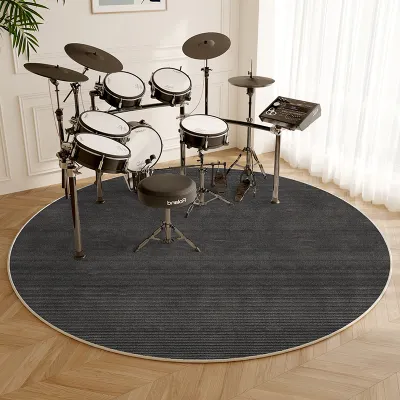
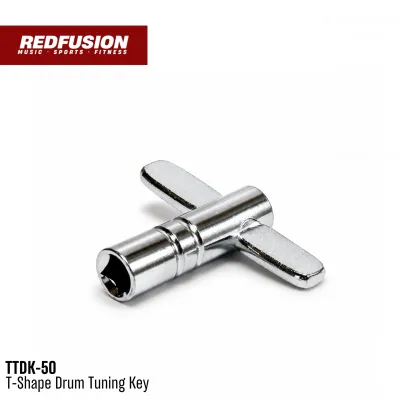
Prices are valid at publication and may change. Please refer to the product page for the latest price.
To evaluate any accessory, ask yourself three questions: Does this item protect my physical health during practice? Does it directly solve a current technical limitation? Can I practice my daily rudiments effectively without it? If the answer to these questions is no, the accessory is a luxury that can wait until you have established solid playing habits.
The Core Essentials Every Beginner Drummer Needs
Setting up your drum kit for the first time requires addressing several non-negotiable physical and technical requirements. Whether you are playing a traditional acoustic kit in a garage or a compact electronic drum set in a bedroom, certain accessories are mandatory from day one. These core items do not just make playing more enjoyable; they actively prevent injury, protect your hearing, and allow you to practice without disrupting your household or neighbors. Let’s break down the essential categories you must address before your first formal practice session.

Drumsticks and Grip Essentials
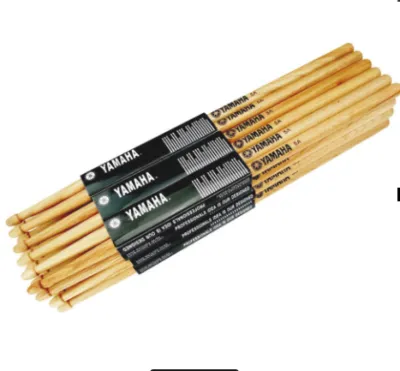
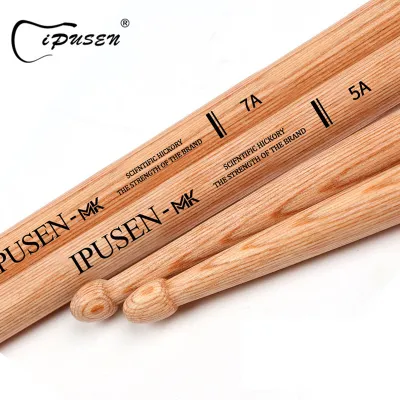
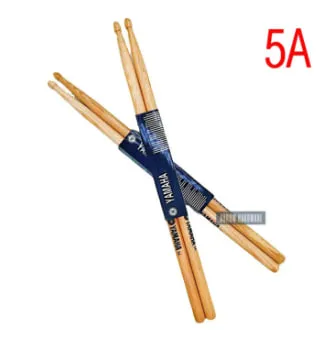
Your drumsticks are the primary point of contact between your hands and the instrument, making their selection critical to your comfort and technique. When choosing your first pair, look at the manufacturer labels printed on the wood, which indicate the stick’s weight, thickness, and taper. For most beginners, a standard 5A stick is the ideal starting point because it offers a balanced weight and medium taper suitable for various musical styles. If you have smaller hands or prefer a lighter feel, a 7A stick is a thinner, lighter alternative, while a 2B stick is heavier and thicker, often preferred for heavy rock practice.
In tropical climates like the Philippines, high humidity and heat can cause your hands to sweat rapidly during long practice sessions. This moisture makes polished wood sticks slippery, leading to hand fatigue as you squeeze harder to maintain control. To combat this, consider using specialized stick tape or grip wax. Stick tape wraps around the handle area to provide a textured, slip-resistant surface, while grip wax can be applied directly to the wood to increase friction without adding bulk.
You must also learn to recognize when your sticks have reached the end of their lifespan. Inspect your sticks regularly for visual indicators of wear, such as severe chipping along the shoulder (the tapered area used for cymbal crashes) or deep splintering along the shaft. Playing with cracked or structurally compromised sticks can damage your drumheads, ruin your cymbals, and risk sending sharp wood splinters flying during a session. Keep at least two or three pairs of identical sticks on hand so you can swap them out immediately when wear becomes apparent.
Drum Throne and Ergonomic Support
It is common for beginners to overlook the drum throne, often opting to sit on a spare household chair, a plastic stool, or an office chair to save money. This is a critical mistake that can lead to chronic back pain, poor posture, and improper pedal technique. A specialized drum throne is designed specifically to support your pelvis and spine while allowing your legs to move freely. Unlike standard chairs, a drum throne features a swivel mechanism that lets you rotate your torso naturally to reach different parts of your kit without straining your lower back.
When shopping for a drum throne, prioritize stability and build quality. Look for models with double-braced metal legs and large rubber feet that prevent the throne from sliding on smooth floors. The height-adjustment mechanism must be secure; spindle-style adjustments with a locking collar are highly reliable, as they prevent the seat from suddenly slipping downward while you play.
To set up your throne correctly, adjust the height so that your thighs are angled slightly downward, roughly 90 to 100 degrees relative to your calves. This position ensures your hips are higher than your knees, which reduces strain on your hip flexors and allows your feet to operate the bass drum and hi-hat pedals with maximum leverage. Once your throne height is set, position your snare drum and cymbals so you can reach them comfortably without slouching forward or overextending your arms.
Hearing Protection
Acoustic drums and cymbals produce sound levels that easily exceed 110 decibels, which can cause permanent hearing damage or tinnitus after just a few minutes of unprotected exposure. Even electronic drum kits, when played through loud monitors or high-volume headphones, can pose a risk to your auditory health. Therefore, hearing protection is a non-negotiable safety requirement for every drummer, regardless of age or skill level.
While standard foam earplugs from a local hardware store are inexpensive and widely available, they are not ideal for playing music. Foam plugs tend to block high frequencies much more than low frequencies, resulting in a muffled, muddy sound that makes it difficult to hear the nuances of your cymbals or the pitch of your drums. Instead, look for high-fidelity musician earplugs. These specialized plugs use acoustic filters to lower the volume evenly across all frequencies, preserving the clarity of the music while reducing the sound to a safe level.
When purchasing hearing protection, check the Noise Reduction Rating (NRR) or attenuation specifications printed on the packaging. For acoustic drumming, an NRR of 15 to 25 decibels is generally recommended to bring the sound down to a safe listening range. Protecting your ears from the sharp, sudden transients of snare drum cracks and cymbal crashes ensures you can enjoy playing music for decades to come without compromising your hearing.
Practice Pads and Metronomes
You cannot always practice on a full drum kit, especially if you live in a shared household or a close-knit neighborhood where noise is a constant concern. A practice pad is an indispensable tool that allows you to practice rudiments, stick control, and hand speed quietly. Look for a standard rubber practice pad with a dense, high-rebound silicone or gum rubber surface. This material closely simulates the natural rebound and response of a tensioned snare drumhead, allowing you to develop proper muscle memory and finger control without the loud acoustic volume.
To get the most out of your practice pad, consider your mounting options. While you can place a pad on a tabletop, mounting it on a dedicated snare stand or a threaded practice pad stand allows you to position it at the exact height and angle of your actual snare drum. This setup helps you maintain consistent posture and arm positioning during your practice sessions away from the kit.
Alongside the practice pad, a metronome is your most important tool for developing internal timing, rhythm, and accuracy. You do not need an expensive standalone digital metronome; many free, highly accurate metronome applications are available for smartphones. Practicing with a steady click teaches you to play precisely on the beat, prevents you from rushing during fast passages, and helps you track your progress as you gradually increase your playing speed over time.
Accessories You Can Wait to Buy Later
When you first start playing, the temptation to expand your drum kit with new gear can be overwhelming. Online marketplaces are filled with advertisements for specialized cymbals, double-bass pedals, and elaborate sound-dampening systems. However, buying these items too early can actually slow down your development as a musician. For example, adding multiple crash cymbals or a splash cymbal can distract you from mastering the basic coordination required to play a clean, consistent groove on a standard hi-hat, snare, and ride setup.
Similarly, double-bass pedals are a popular upgrade for aspiring rock and metal drummers, but they require a high level of ankle control and balance. Attempting to learn double-bass techniques before you have developed solid single-foot control on your primary bass drum pedal often leads to sloppy timing and poor posture. Sound-dampening kits, such as heavy rubber mutes or thick gel pads, are also unnecessary early on unless you have severe noise constraints; learning to control your dynamics and play quietly using your hands is a far more valuable skill than relying on physical dampeners to quiet your kit.
Wait until you reach specific, observable technical milestones before upgrading your gear. For instance, consider buying a second crash cymbal only after you can play several distinct drum fills and transition smoothly back into a groove without losing your timing. Hold off on a double-bass pedal until you can comfortably play sixteenth-note patterns with your dominant foot at a variety of tempos. By delaying these purchases, you ensure that every new piece of gear you add to your kit serves a clear, functional purpose in your musical growth.
How to Build Your First Accessory Kit on a Budget
Building your first drum accessory kit does not have to drain your savings, but it does require strategic planning. In the Philippines, prices for drum gear can vary significantly between local music boutiques, major retail chains, and online marketplaces. To get the best value, look for bundled beginner packages at local music stores. These bundles often combine essential items—such as a pair of sticks, a basic practice pad, and a budget-friendly drum throne—at a lower total price than purchasing each item individually.
When allocating your budget, prioritize items that directly impact your physical health and safety. Spend a larger portion of your funds on a high-quality, sturdy drum throne and reliable hearing protection. These are long-term investments that protect your body from injury and hearing loss. Conversely, you can save money on consumable items like drumsticks. While premium wood sticks are excellent, budget-friendly hickory or maple sticks from reputable brands are perfectly adequate for learning the basics, provided you check them for straightness before buying.
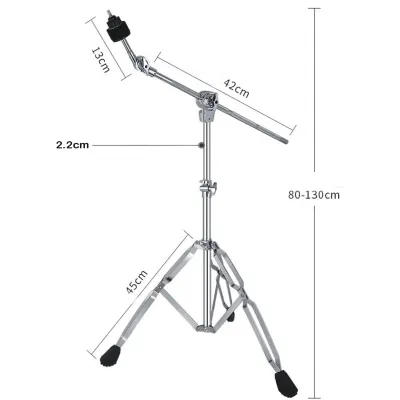
If you are considering second-hand hardware, stands, or thrones to save money, perform a thorough physical inspection before finalizing the purchase. Check all wing nuts, tilters, and clamping mechanisms to ensure they tighten securely and do not slip under pressure. Look closely for signs of rust, stripped threads, or hairline cracks in the metal joints, especially in humid environments where moisture can accelerate wear. Buying pre-owned stands from respected hardware manufacturers is often a smarter choice than buying ultra-cheap, unbranded new hardware that may wobble or collapse during a performance.
Frequently Asked Questions (FAQ)
Do I need to buy cymbals separately if my drum kit already includes them?
No, you do not need to buy cymbals separately if your entry-level drum kit already includes a basic set. Most beginner drum kits come packaged with a pair of hi-hats and a crash or crash-ride cymbal made of brass. While these stock cymbals do not offer the rich, complex tones of professional bronze cymbals, they are entirely sufficient for your first year of learning. They allow you to practice essential coordination, learn basic patterns, and develop dynamic control without a large upfront investment. Focus on mastering your stick technique and timing on the included brass before spending money on premium cymbal upgrades.
Can I use regular earplugs instead of musician-specific earplugs?
While regular foam earplugs are better than using no protection at all, they are not recommended for long-term music practice. Standard foam plugs block sound unevenly, heavily muffling high frequencies while letting low frequencies pass through. This creates a muddy, distorted sound that makes it difficult to hear the crisp definition of your hi-hats or the subtle dynamics of your snare drum. Musician-specific earplugs use specialized acoustic filters to reduce volume evenly across the entire frequency spectrum. This allows you to hear your drums, metronome, and bandmates clearly at a safe, comfortable volume, helping you play with better accuracy and control.
Community discussion
Share your experience or ask a question. Comments are reviewed before publication.