
When starting your drumming journey, protecting your sticks and keeping your gear organized is just as important as the sticks themselves. A dedicated drum stick bag or case prevents damage, keeps small accessories from getting lost, and makes transporting your gear to rehearsals or gigs much easier. This guide breaks down the essential features beginners should evaluate to find a bag that balances capacity, protection, and portability without overspending.
For a beginner, the ideal drum stick bag does not need to be the most expensive or complex model on the market. Instead, it should focus on a few fundamental features: adequate capacity for your current and near-future stick collection, durable materials that can withstand local humidity and transport, smart pocket layouts for small accessories, and comfortable carrying options. By understanding how these features impact your daily routine, you can make an informed decision that protects your gear and fits your budget.
Assessing Capacity and Stick Length Compatibility
Standard drum sticks, such as 5A, 7A, or 2B models, typically range from 16 to 17 inches in length. Before purchasing any bag, verify its internal height specification to ensure your sticks fit smoothly without bending or forcing the zipper shut. A bag that is even slightly too short will cause the tips of your sticks to press hard against the top seam, leading to premature wear or zipper failure.
Products mentioned in this guide
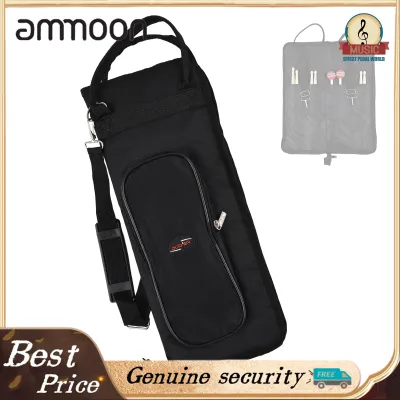
![[ammoon]Special National Style Drum Stick Drumsticks Mallet Bag Case Cotton Material With Hanging Hooks](https://img.lazcdn.com/g/p/e7b345a984fda50f2340253a9c5a0718.jpg_400x400q80.jpg_.webp)
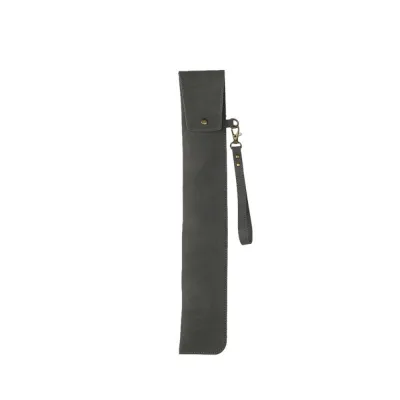
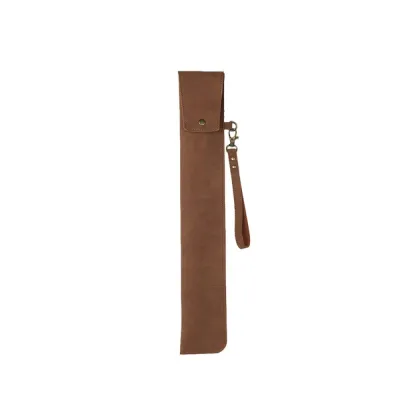
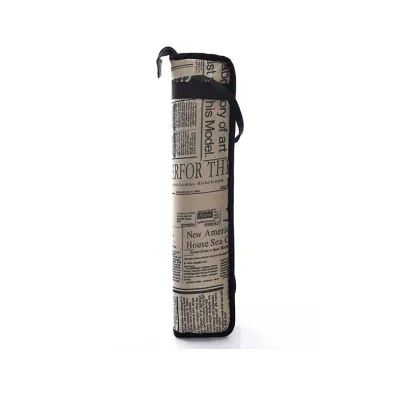
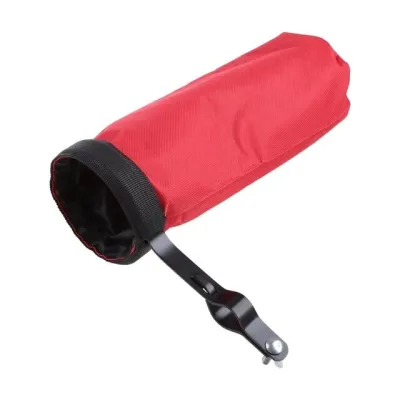
Prices are valid at publication and may change. Please refer to the product page for the latest price.
Beginners usually start with two or three pairs of standard wooden sticks, but your collection will likely grow as you experiment with different weights and materials. When evaluating a bag, distinguish between compact sleeves designed to hold three to five pairs and larger gig bags built for ten or more pairs. A compact bag is excellent for light travel and school commutes, while a larger capacity bag allows you to store backup pairs, which are crucial when a stick inevitably chips or breaks during a high-energy practice session.
Beyond standard wooden sticks, consider whether you plan to introduce alternative striking tools into your practice routine. Items like wire brushes, felt-headed mallets, and multi-rod bundles have different diameters and shapes than standard sticks. Mallets with large, soft heads require extra depth, while brushes with pull-rod mechanisms need secure pockets so they do not snag on other gear. Choosing a bag with flexible, wider slots ensures you can carry these diverse tools as your musical style expands.
Evaluating Padding and Material Durability
The level of protection a bag offers depends heavily on its interior construction and padding thickness. Look for bags that feature a dense foam core or a padded lining, which cushions your sticks against drops and impacts during transit. Additionally, pay close attention to the bottom of the bag; this area experiences the most friction from the sharp tips of your sticks and constant contact with the ground. A reinforced bottom panel, often made of heavy-duty rubber or double-layered fabric, prevents the sticks from puncturing the bag over time.

The exterior material of the bag determines how well it survives daily wear and tear, especially in tropical climates where high humidity and sudden rain showers are common. Common materials include nylon, canvas, and polyester, each offering different levels of durability. High-denier nylon (such as 600D or higher) is highly recommended for its excellent abrasion resistance and natural water-repellent properties. Canvas offers a classic aesthetic and robust strength but may require additional treatment to resist moisture absorption in damp environments.
Hardware durability is another critical factor that beginners often overlook until a failure occurs. Inspect the quality of the zippers, as they are the most frequently used components on the bag; heavy-duty metal or thick nylon coil zippers are generally more reliable than thin, fragile alternatives. Check the stitching around stress points, such as where the handles or straps attach to the main body. Double stitching or cross-stitched reinforcement in these areas ensures the bag can handle the weight of multiple stick pairs and heavy accessories without tearing.
Comparing Compartments and Organization Features
A drum stick bag is more than just a holder for your sticks; it also serves as a mobile toolbox for your essential drumming accessories. Dedicated small pockets are incredibly valuable for securing items that are easily lost in the bottom of a larger compartment. Look for internal zippered pockets or clear mesh pouches where you can store your drum keys, spare cymbal felts, earplugs, and metronomes. Having a designated spot for these small items means you can find them instantly during a lesson or rehearsal without emptying the entire bag.
External pockets add another layer of utility, allowing you to carry larger items that do not fit inside the main stick compartment. A spacious front pocket is ideal for holding sheet music, a practice notebook, or a small tablet containing your lesson charts. Some bags also feature expandable side pockets or mesh sleeves designed to hold a practice towel or a water bottle, keeping your hydration separate from your wooden sticks and paper music sheets.
Inside the bag, the layout of the dividers and sleeves plays a major role in keeping your gear organized and quiet during transport. Look for bags with multiple internal slots or elastic loops that hold individual pairs of sticks securely in place. This prevents the sticks from rolling around, rubbing against each other, or clattering together while you walk. Well-designed dividers also make it easy to separate your primary sticks from your backup pairs, brushes, or mallets, allowing for quick transitions between songs.
Choosing the Right Carrying Options for Your Routine
How you transport your gear to rehearsals, lessons, or school should dictate the carrying options you look for in a bag. If you primarily travel by car or only carry your sticks a short distance from a parking lot to a studio, a simple top carry handle made of padded webbing may be perfectly sufficient. These handles allow for quick grab-and-go convenience and keep the bag compact when stored.
For students or musicians who commute via public transit, walk long distances, or ride a motorcycle or bicycle, hands-free carrying options are essential. A detachable, adjustable shoulder strap allows you to sling the bag comfortably over your shoulder, leaving your hands free to carry other gear like a snare drum or cymbal stand. If you choose a shoulder strap, verify that it features non-slip padding to distribute the weight evenly and prevent the strap from digging into your shoulder during long walks. For the ultimate in ergonomic comfort, some larger stick bags even feature dual backpack straps, which distribute the load symmetrically across your back.
Another highly practical feature to look for is the ability to attach the bag directly to your drum kit. Many stick bags come equipped with built-in hooks, adjustable cords, or velcro straps designed to hang the open bag from the tension rods of your floor tom or snare drum. This setup keeps your sticks upright and easily accessible right at your fingertips while you play. If you chip a stick mid-song, you can quickly reach down and grab a replacement without interrupting your performance or bending over to search the floor.
Building Your Beginner Drum Stick Bag Shortlist
When you are ready to make a purchase, start by defining a realistic budget in Philippine Pesos (₱). Basic stick sleeves and entry-level bags typically range from ₱300 to ₱800, offering simple protection and limited storage. If you require thicker padding, water-resistant materials, and multiple accessory pockets, expect to look in the ₱1,000 to ₱2,500 range. Aligning your budget with your core priorities—such as whether you value heavy padding over maximum pocket space—will help you narrow down the options quickly.
Before finalizing your decision, carefully cross-check the exact dimensions and material specifications listed on product tags or online store detail pages. Do not rely solely on product photos, which can sometimes make a bag look larger or more padded than it actually is. Look for specific terms like “600D polyester,” “water-resistant coating,” or “reinforced base,” and check if the manufacturer offers any warranty terms against zipper or stitching defects.
If possible, visit a local music store to test the bag in person. Bring a few pairs of your own sticks, a drum key, and any other accessories you plan to carry to see how easily they fit into the compartments. If you are purchasing from an online marketplace, read through customer feedback specifically looking for comments on zipper durability and seam strength, and make sure to verify the seller’s return and exchange policies so you can return the bag if it does not meet your expectations upon arrival.
Frequently Asked Questions (FAQ)
Can I use a regular backpack instead of a dedicated drum stick bag?
While a standard school backpack can temporarily transport your drum sticks, it lacks the specialized design features that protect your gear and keep it organized. Regular backpacks do not have internal sleeves to keep stick pairs separated, meaning your sticks will roll around, clatter together, and potentially damage other items like tablets or notebooks. Furthermore, standard backpacks lack the reinforced bottom panels needed to prevent the sharp tips of wooden sticks or the metal rods of brushes from puncturing the fabric over time. A dedicated drum stick bag is specifically tailored to the length of your sticks and includes built-in hooks to hang the bag directly on your drum kit for easy access while playing.
How do I clean and maintain my drum stick bag?
To extend the lifespan of your drum stick bag, regular maintenance is key, especially in humid environments where mold and dust can accumulate. Start by regularly shaking or vacuuming out the interior of the bag to remove wood shavings, sawdust, and debris left behind by used sticks. For the exterior, perform spot cleaning using a damp cloth and mild soap; avoid submerging the entire bag in water or putting it through a washing machine, as this can damage the internal padding and strip away water-resistant coatings. Never use harsh chemical solvents or bleach, which can degrade the synthetic fibers and weaken the stitching. Always allow the bag to air dry completely in a shaded, well-ventilated area before packing it with gear again.

Community discussion
Share your experience or ask a question. Comments are reviewed before publication.