
Starting your drumming journey is an exciting step, but jumping straight into a full acoustic or electronic drum kit can be impractical. Space constraints, budget limits, and noise concerns often make a full setup difficult to manage at home. A high-quality drum practice pad serves as the ideal starting point, allowing you to build muscle memory, master essential rudiments, and develop proper wrist technique without a massive upfront investment.
For beginners in the Philippines, selecting the right pad involves balancing surface response, portability, and durability against local environmental factors like high humidity and heat, which can affect certain materials over time. By focusing on key specifications such as surface material, base construction, and mounting options, you can find a reliable tool that fits your living space and budget.
Why Beginners Need a Dedicated Practice Pad
In many Philippine neighborhoods, homes are built close together, and shared walls in apartments, condominiums, or townhouses make the loud crack of an acoustic snare drum highly disruptive. A practice pad dampens the sound of your strikes to a quiet, conversational volume, allowing you to practice late at night or early in the morning without disturbing family members or neighbors. This noise reduction is crucial for maintaining consistent daily practice, which is the foundation of drumming progress.
Products mentioned in this guide
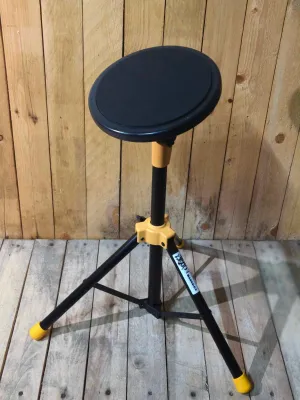
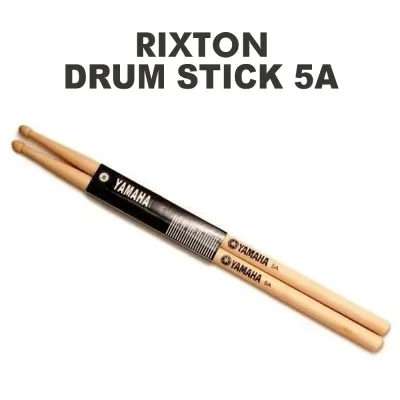
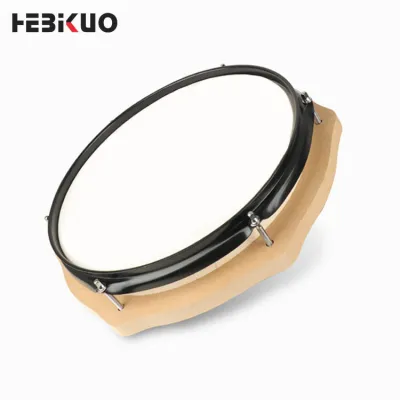
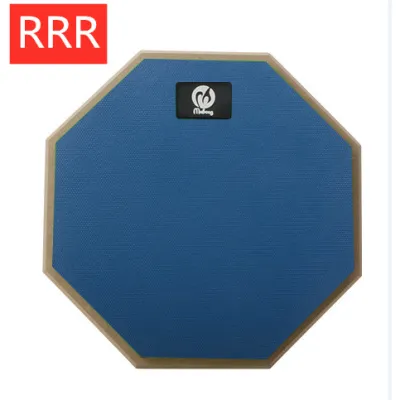
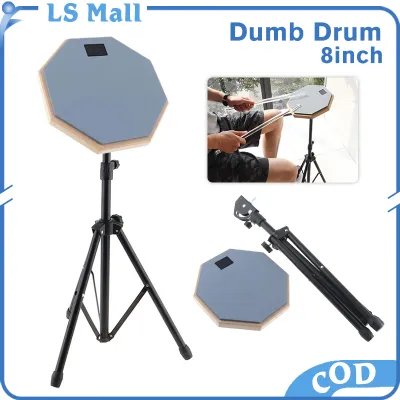
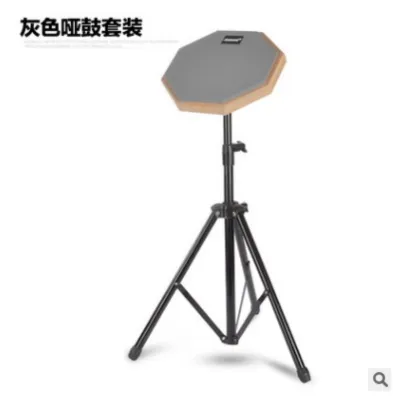
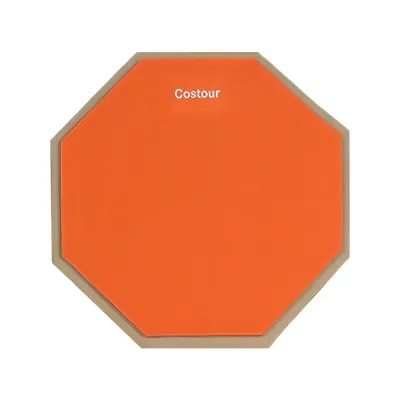
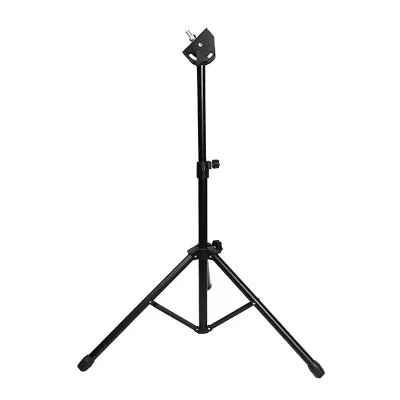
Prices are valid at publication and may change. Please refer to the product page for the latest price.
Beyond noise control, a practice pad is actually a superior tool for developing fundamental stick control, rebound feel, and wrist technique. When playing on a full drum kit, the sheer volume and variety of sounds can distract you from focusing on your physical mechanics. A pad isolates the physical feedback of your drumsticks, forcing you to pay close attention to your grip, stroke height, hand symmetry, and rebound control. This focused environment helps you build clean muscle memory that translates directly to a real drum head.
Using a practice pad also helps you build physical endurance and strength in your hands and wrists. Drumming requires the coordinated use of small muscle groups that are rarely utilized in daily life. By practicing on a surface that provides consistent feedback, you can gradually build up your playing time without overexerting yourself. This gradual conditioning is essential for preventing injuries like tendonitis, which can occur when beginners play too hard or too fast without proper preparation.
From a financial perspective, starting with a practice pad is highly cost-effective. A complete acoustic or electronic drum kit requires a significant financial commitment, along with additional accessories like thrones, cymbals, and soundproofing. A practice pad, paired with a single pair of drumsticks, allows you to test your commitment to the instrument and learn the basics for a fraction of the cost. If you decide to upgrade to a full kit later, your pad remains an indispensable tool for warm-ups and quiet practice sessions throughout your drumming journey.
Key Features to Evaluate Before Buying
The material on top of the pad determines how the stick bounces back and how much noise the pad makes. Gum rubber is the most popular choice because it offers a realistic, springy rebound that closely mimics the feel of a tensioned snare drum. However, in the tropical climate of the Philippines, high humidity and heat can cause low-quality rubber to degrade, become sticky, or harden over time. Silicone surfaces are an excellent, highly durable alternative that resists moisture and temperature fluctuations while maintaining a consistent bounce. Neoprene and soft foam surfaces are also available; they provide a much quieter, low-rebound workout that forces your wrists to do more work, though they do not simulate a real drum head as closely as rubber or silicone.

The thickness of the pad’s playing surface also plays a significant role in shock absorption. A thicker rubber or silicone layer absorbs more of the impact from your stick strikes, which helps protect your wrists and joints from repetitive strain. This is particularly important for beginners who may still be learning to relax their grip and play with less tension. A thin, low-quality pad can feel harsh and stiff, transferring too much vibration back into your hands and causing fatigue or discomfort during longer practice sessions.
Practice pads generally range from 6 inches to 12 inches in diameter. A smaller 6-inch pad is highly portable, lightweight, and easily slips into a backpack, making it perfect for students commuting via public transit or drummers who practice on the go. However, smaller pads require more precise aiming and are usually placed on a table or held between the knees. A larger 12-inch pad is heavier and less portable, but it fits perfectly onto a standard snare drum stand and provides a realistic target area that matches the size of a typical snare drum, allowing you to practice proper arm positioning.
The bottom of the pad is just as important as the top. Look for a pad with a dense, non-slip foam or textured rubber base that prevents the pad from sliding around when placed on a wooden table, desk, or lap. Many pads feature a threaded metal insert (typically 8mm) on the bottom, allowing you to screw the pad directly onto a compatible cymbal stand or dedicated practice pad stand. Dual-sided pads feature different playing surfaces on each side—such as a soft rubber side for realistic rebound and a harder, denser rubber side for a quieter, low-rebound workout—giving you more practice versatility in a single unit.
Types of Practice Pads for Different Learning Goals
Single-sided standard pads are the most common and highly recommended pads for absolute beginners. They feature a single layer of gum rubber or silicone mounted on a sturdy wooden or composite base. Because of their straightforward design, they are highly durable, affordable, and excellent for mastering basic rudiments like single strokes, double strokes, and paradiddles. If you want a reliable, no-frills tool to start your daily practice routine, a standard single-sided pad is the most practical choice.
A 12-inch single-sided pad is often considered the gold standard for home practice. Its size allows it to be placed directly on top of a snare drum, dampening the sound of the drum while still allowing you to practice on your actual kit. This makes it an incredibly versatile tool for drummers who want to transition between quiet practice and full-volume playing without changing their physical setup or body posture.
If you want to vary your practice routine without buying multiple pads, a dual-sided pad is an excellent investment. One side typically features soft, responsive rubber that simulates a standard snare drum, while the flip side uses a harder, less bouncy material like recycled rubber or dense neoprene. Practicing on the harder side simulates the feel of a tighter marching drum or a floor tom, which helps build wrist strength and finger control because you cannot rely on natural rebound to lift the stick.
Using the two different sides of a dual-sided pad can help you develop a more well-rounded technique. The soft, high-rebound side is perfect for practicing speed, finger control, and delicate ghost notes. The hard, low-rebound side forces you to use your wrists and arms to lift the sticks, which is excellent for building muscle strength and control. Switching between the two sides during a single practice session keeps your muscles engaged and prevents your technique from becoming lazy.
For beginners who want to transition smoothly to a full drum kit, multi-pad sets or workout pads offer a more advanced layout. These systems feature multiple small pads mounted on a single frame, simulating the physical arrangement of a snare, hi-hat, and toms. While more expensive and less portable, a multi-pad setup helps you develop spatial awareness, limb independence, and coordination as you practice moving your hands between different surfaces.
If you live in a compact boarding house, a small apartment, or frequently travel, space-saving designs are essential. Some modern practice pads are made of flexible, thin silicone that can be rolled up, while others feature strap-on designs that secure the pad directly to your thigh. Thigh-strap pads are incredibly convenient for quick warm-ups in tight spaces, allowing you to practice your hand movements while sitting comfortably in a chair without needing a table or stand.
Where to Buy and What to Verify Locally
When sourcing a practice pad in the Philippines, you can choose between physical music stores in major shopping malls and reputable online marketplaces. Visiting a local music store allows you to physically test the pad, feel the rebound, and check the noise level before making a purchase. If you prefer shopping online, look for authorized brand dealers or stores with high ratings and official mall badges to ensure you are purchasing a genuine product rather than a cheap counterfeit.
Before finalizing your purchase, verify the seller’s warranty and return policies. A reputable seller should offer a clear return window in case the product arrives damaged or defective. When buying online, read customer reviews carefully to check for common complaints regarding shipping damage, as improper packaging can cause the wooden base of a pad to warp or crack during transit in humid conditions.
Upon receiving your practice pad, conduct a thorough physical inspection. Check the playing surface for any air bubbles, peeling edges, or uneven thickness, which can negatively affect stick rebound. Smell the pad as well; while a faint rubber scent is normal, a strong, overwhelming chemical odor often indicates low-grade synthetic materials that may degrade quickly or cause skin irritation. Ensure the base is perfectly flat and that any threaded metal inserts are securely anchored and free of rust.
In terms of budgeting, a reliable, entry-level practice pad in the Philippines typically ranges from ₱500 to ₱1,500, while premium, dual-sided, or larger brand-name pads can cost between ₱1,800 and ₱3,500. Avoid suspiciously cheap pads priced under ₱300, as these often use thin, low-quality foam that offers poor rebound, wears out within weeks, and fails to protect your wrists from the harsh impact of stick strikes. Investing a bit more in a durable, well-constructed pad ensures a safer, more productive learning experience.
Frequently Asked Questions (FAQ)
Can I use a practice pad on a snare drum stand?
Yes, most standard 12-inch practice pads are designed to fit perfectly inside the basket of a standard snare drum stand, just like a real snare drum. If you have a smaller pad, such as a 6-inch or 8-inch model, it will likely slip through the basket arms of a standard stand. In this case, you should check the bottom of your pad for a built-in 8mm threaded insert, which allows you to mount the pad directly onto a compatible cymbal stand or a specialized, lightweight practice pad stand.
How do I clean and maintain a rubber or silicone practice pad?
To keep your practice pad in top condition, wipe the surface regularly with a damp microfiber cloth and a small drop of mild dish soap to remove dust, sweat, and stick residue. Avoid using harsh chemical solvents, alcohol-based cleaners, or abrasive scrubbers, as these can dry out and crack the rubber or silicone surface. Always store your pad in a cool, dry place away from direct sunlight, as prolonged exposure to tropical heat can warp the wooden base and degrade the adhesive holding the playing surface.
Do I need special drumsticks for a practice pad?
You do not need special drumsticks to use a practice pad; standard wooden-tip or nylon-tip sticks work perfectly. However, it is highly recommended to dedicate a clean, undamaged pair of sticks specifically for your pad. Avoid using sticks that are heavily splintered, chipped, or wrapped in dirty grip tape, as rough wood fibers can tear the pad’s surface, and dirt or tape residue can leave permanent stains and reduce the grip of the pad.

Community discussion
Share your experience or ask a question. Comments are reviewed before publication.