
Starting your journey as a bass guitarist in the Philippines is an exciting milestone, but setting up your first practice space requires making smart gear choices. While it is easy to get caught up in the appeal of massive stage rigs, a beginner’s primary goal should be finding a reliable, compact practice amplifier that fits within a realistic budget. Setting a limit of ₱10,000 is highly practical, as this price point offers several high-quality options designed specifically for home practice and skill development.
To get the most value out of your budget, you must focus on the core technical specifications that directly impact your learning experience. A good beginner bass amp needs to reproduce low frequencies clearly without distorting, offer simple tone-shaping controls, and provide convenient features for silent practice. By understanding which features are essential and which ones you can safely skip, you can make an informed purchase that will serve you well for years to come.
Essential Features to Prioritize on a Tight Budget
When shopping for a bass amplifier under ₱10,000, your primary focus should be on the physical and electrical specifications that define how the amplifier handles low-frequency sound waves. Unlike electric guitars, bass guitars produce deep, powerful waves that require specific hardware to reproduce accurately.
Products mentioned in this guide
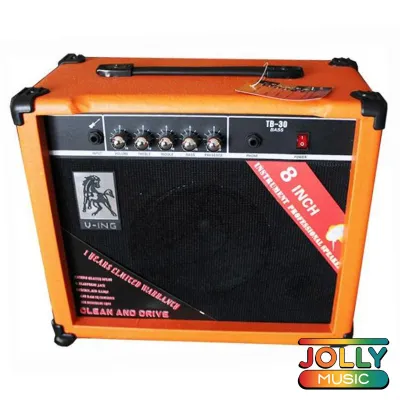
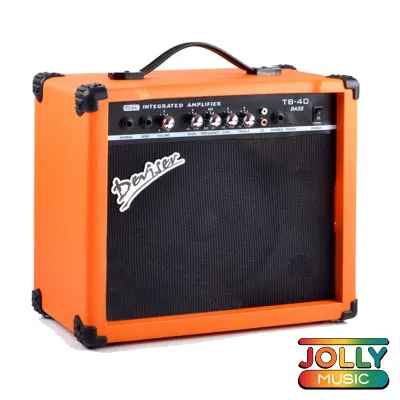
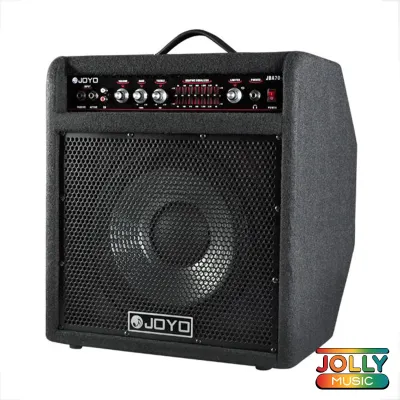
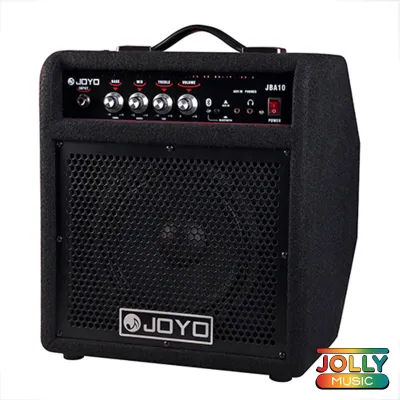
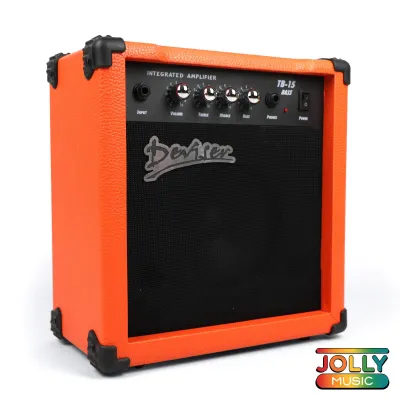
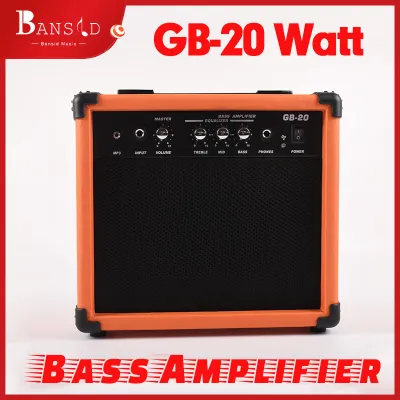
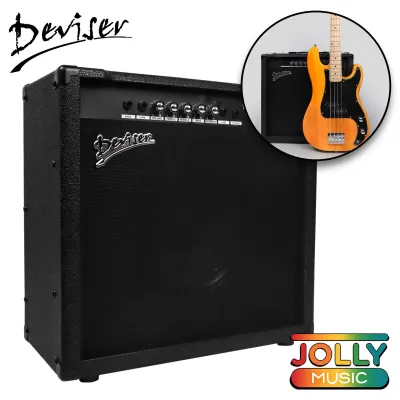
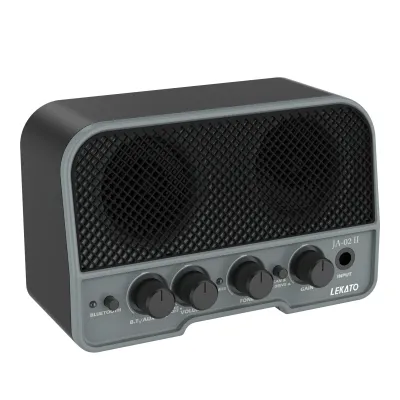
Prices are valid at publication and may change. Please refer to the product page for the latest price.
First, consider the wattage of the amplifier. For home practice, bedroom setups, or small apartment living in urban areas, a wattage range of 10 to 25 watts is the sweet spot. This range provides sufficient power to drive the speaker cleanly at comfortable listening levels. It offers enough headroom to prevent muddy distortion on your lowest notes while keeping the overall volume manageable so you do not disturb family members or neighbors.
Second, pay close attention to the speaker size. Bass frequencies require a larger speaker cone to move enough air to create a full, resonant sound. Look for an amplifier equipped with a speaker that is at least 6.5 inches to 8 inches in diameter. While smaller 5-inch speakers are highly portable, they often struggle to reproduce the low E-string clearly, resulting in a thin, tinny tone. An 8-inch speaker strikes an excellent balance, offering a satisfying low-end response without making the physical cabinet too bulky for a small room.
Third, basic tone-shaping controls are non-negotiable. A standard three-band equalizer (EQ) consisting of Bass, Middle, and Treble knobs is essential for a beginner. This simple interface allows you to adjust your sound to suit different playing styles. For example, you can boost the mids to hear your note definition more clearly when practicing complex scales, or roll off the treble to achieve a warmer, more traditional bass tone.
Finally, prioritize essential connectivity options. A dedicated headphone jack (either 3.5mm or 1/4-inch) is crucial for silent practice sessions late at night. Additionally, an auxiliary (Aux) input is incredibly valuable for beginners. This port allows you to connect your smartphone, tablet, or computer directly to the amplifier, enabling you to play along with backing tracks, metronomes, or online instructional videos through your headphones or the main speaker.
Compromises You Can Make to Stay Under ₱10,000
To keep your purchase strictly under the ₱10,000 threshold, you must be willing to compromise on features that are non-essential for a beginner. Manufacturers often add extra features to appeal to buyers, but on a tight budget, these additions can sometimes result in lower-quality core components.

One of the easiest features to skip is built-in digital effects and advanced amp modeling. While having dozens of simulated amplifier models, delays, and choruses built into your amp sounds convenient, these digital processors add significant manufacturing costs. At this price point, you are much better off choosing a straightforward solid-state amplifier that focuses entirely on delivering a clean, robust, and reliable natural tone. Developing your finger strength, timing, and dynamics is far easier when you are not distracted by complex digital menus.
Another compromise involves avoiding high-wattage outputs and large speaker cabinets. Amplifiers rated at 50 watts or higher, or those featuring multiple speakers, are designed for live performances, band rehearsals, and competing with acoustic drum kits. These larger rigs are not only expensive but also physically heavy and impractical for home use. A compact, lower-wattage practice amp is much easier to position in a bedroom and will not overwhelm your living space.
Lastly, do not pay extra for premium aesthetics or vintage-style cabinet finishes. Features like tweed coverings, retro grille cloths, or exotic wood faceplates look beautiful but do not contribute to the actual sound quality of the amplifier. Standard black vinyl (tolex) wraps and simple metal or cloth grilles are highly durable, easy to clean, and keep the production costs low, ensuring that more of your budget goes toward high-quality internal electronics and speaker construction.
How to Evaluate Options When Shopping Online or In-Store
Whether you prefer the convenience of online shopping or the hands-on experience of visiting a physical music store, evaluating your options carefully is key to avoiding buyer’s remorse.
If you are purchasing from an online marketplace or an ecommerce platform, start by thoroughly checking the seller’s reputation. Look for authorized dealer badges or high positive feedback ratings. Read through customer reviews, paying close attention to comments regarding packaging and shipping. Bass amplifiers contain heavy internal components like power transformers, which can shift or damage the circuit board if the package is dropped during transit. Ensure the seller uses robust bubble wrap and sturdy outer boxes, and verify their return policy in case the item arrives damaged.
Before finalizing your purchase, verify exactly what is included in the box. While almost all amplifiers come with a power cable, some budget packages might also include a basic instrument cable or a user manual. Knowing what is included helps you plan your purchase accurately, ensuring you do not end up with an amplifier you cannot plug in because you forgot to buy a separate cable.
Additionally, understand the local warranty coverage. Reputable music distributors in the Philippines typically offer a limited warranty ranging from six months to one year. Confirm whether the warranty is covered by the local store where you bought it or if you would need to send the unit to an authorized service center. Having a reliable local warranty provides peace of mind, especially when dealing with electronic equipment that is subject to voltage fluctuations.
Hidden Costs and Accessories to Factor Into Your Budget
When planning your ₱10,000 budget, it is important to remember that the cost of the amplifier itself is not the only expense you will encounter. To get your practice space fully operational, you must factor in several essential accessories and potential fees.
First, you will need a high-quality instrument cable to connect your bass guitar to the amplifier. Avoid the ultra-cheap, unshielded cables often thrown in as freebies, as they are highly prone to developing internal breaks and picking up unwanted electrical hum. Investing in a durable, shielded 10-foot cable ensures a clean signal transfer and reduces background noise. You should also budget for a reliable clip-on tuner, which is essential for keeping your instrument in perfect pitch during practice.
Second, do not forget to account for shipping and delivery fees if you are ordering online. Because bass amplifiers are relatively heavy and bulky, shipping costs can add up quickly, especially if you live outside major metropolitan areas. A ₱9,500 amplifier can easily exceed your ₱10,000 limit once shipping surcharges to provinces in Luzon, Visayas, or Mindanao are applied. Always calculate the total landed cost before clicking the purchase button.
Finally, consider the long-term maintenance of your gear. The tropical climate and high humidity levels in the Philippines can take a toll on electronic equipment. High humidity can cause dust to stick to the internal potentiometers (the rotary controls), leading to scratchy noises when you adjust the volume or EQ. Budgeting for a simple dust cover or a padded gig bag to protect your amplifier when it is not in use can significantly extend its lifespan. Additionally, keeping a small pack of silica gel desiccant packets near your gear can help manage moisture levels in humid rooms.
Frequently Asked Questions (FAQ)
Can I use a regular guitar amp for my bass guitar?
While you can physically plug a bass guitar into an electric guitar amplifier, doing so is highly discouraged due to the risk of permanent hardware damage. Guitar amplifiers and their speakers are designed to handle the mid-to-high frequency ranges of a standard guitar. Bass guitars produce powerful, low-frequency sound waves that require a speaker cone with a much larger physical range of motion (excursion) to move air effectively. Playing a bass through a guitar amp, especially at moderate to high volumes, can easily overextend the delicate speaker cone, causing it to tear or burn out the voice coil. Furthermore, the sound produced will be thin, muddy, and lacking the deep low-end punch necessary for proper bass practice.
Do I need a high-wattage amp for playing at home?
No, you do not need a high-wattage amplifier for practicing at home. For bedroom or living room environments, a bass amplifier rated between 10 and 25 watts is more than sufficient. Perceived volume is not solely determined by wattage; it also depends heavily on speaker efficiency and cabinet design. A lower-wattage amplifier allows you to turn the volume control up to its optimal operating range, giving you a full, rich tone without creating excessive noise that could disturb others in your household or neighborhood. High-wattage amplifiers are designed to project sound across large rehearsal spaces or stages, making them unnecessary and impractical for daily home practice.

Community discussion
Share your experience or ask a question. Comments are reviewed before publication.