
Entering the world of extended-range guitars is an exciting step, but finding a reliable 7-string electric guitar under ₱25,000 in the Philippines requires a strategic approach. At this price point, you are looking for an instrument that offers structural stability, comfortable playability, and decent tuning retention rather than premium aesthetics or high-end active electronics. By focusing on essential build quality and understanding the physical demands of a wider neck, you can secure an excellent starter instrument that will support your learning journey for years.
To make the most of your budget, you must look past marketing hype and evaluate the physical specifications of the instrument. The tropical climate of the Philippines introduces specific maintenance challenges, making hardware choices and wood stability even more critical. This guide will help you navigate the technical details, manage your total setup costs, and shop safely so you can confidently purchase your first 7-string guitar.
Setting Realistic Expectations for a ₱25,000 Budget
When shopping with a budget of ₱25,000, it is important to distinguish between the cost of the guitar itself and the total cost of a ready-to-play setup. If you allocate the entire amount to the instrument, you may find yourself without a functional amplifier, cable, or gig bag. A practical approach is to reserve around ₱15,000 to ₱18,000 for the guitar, leaving the remainder of your budget for essential accessories and a professional setup.
Products mentioned in this guide

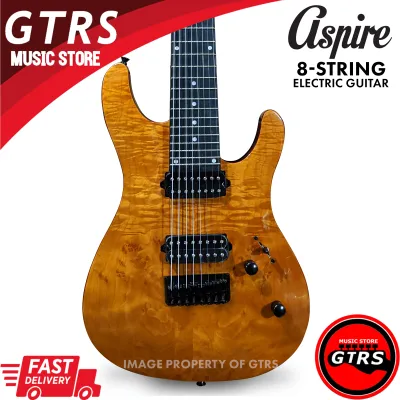
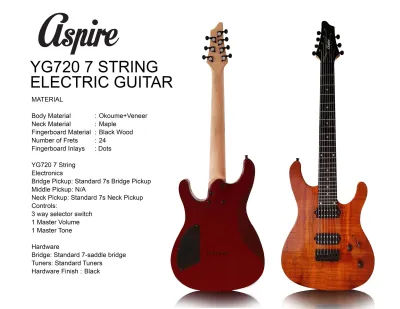
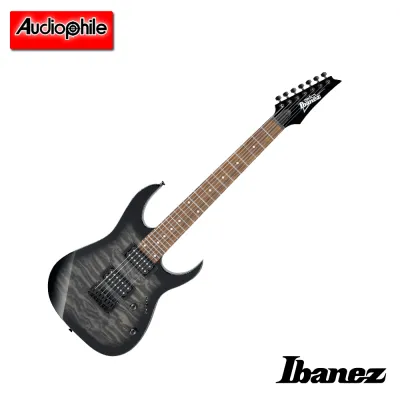
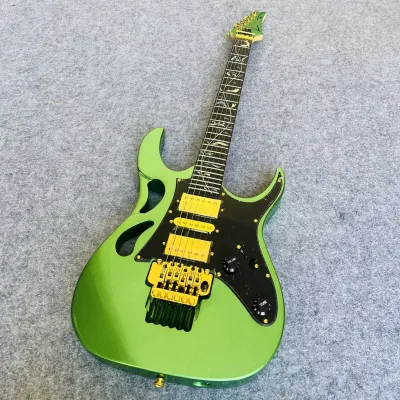

Prices are valid at publication and may change. Please refer to the product page for the latest price.
In this price range, 7-string guitars typically feature body woods like poplar, basswood, or mahogany laminates. These woods are lightweight and resonant enough for daily practice, though they do not carry the prestige of premium tonewoods. The pickups will almost certainly be passive, factory-standard humbuckers, which provide a decent entry-level high-gain sound but may lack the absolute clarity of aftermarket upgrades.
Accepting certain trade-offs is necessary when buying an entry-level extended-range instrument. You should expect basic chrome or black-plated hardware, standard non-locking tuners, and simple volume and tone controls. While these components are perfectly functional for learning, they require more frequent checks and adjustments to maintain optimal performance compared to high-end locking systems.
Core Specifications to Evaluate for Playability
The scale length of a 7-string guitar is one of the most critical factors influencing how the instrument feels and sounds. Scale length refers to the distance between the nut and the bridge saddle. For a standard 6-string guitar, a 25.5-inch scale is common, but on a 7-string, a longer scale length is highly beneficial. A scale length of 25.5 inches to 26.5 inches helps maintain proper tension on the low B string, preventing it from feeling floppy or sounding muddy when plucked.

Neck profile and width also demand careful consideration, especially for beginners who are accustomed to narrower necks. A 7-string neck is naturally wider to accommodate the extra string, which can strain your hand if the profile is too thick. Look for modern thin-U or flat-D neck profiles, which reduce the bulk at the back of the neck and make it easier for your fingers to wrap around the fretboard.
Fretboard radius, which measures the curvature of the playing surface, affects how easily you can fret chords and bend notes. A flatter fretboard radius, typically 12 inches to 16 inches, is common on modern 7-string guitars and is generally preferred for fast lead playing and comfortable string skipping. When testing a guitar, ensure your hand can comfortably reach the lowest string across the entire length of the neck without awkward wrist bending.
Bridge selection is another pivotal decision for beginners, with fixed bridges being the most practical choice in this price tier. Fixed bridges, such as hardtail or string-through-body designs, offer superior tuning stability, make string changes straightforward, and allow you to experiment with different tunings easily. Entry-level tremolo systems found on budget guitars often suffer from poor tuning stability and can make the initial setup process incredibly frustrating for a beginner.
Budgeting for Essential Accessories and Hidden Costs
Owning an electric guitar involves more than just plugging it in; you must budget for the supporting gear that makes practice possible. A basic practice amplifier is essential for hearing your progress, and many modern digital modeling amps offer headphone outputs for silent practice. Alternatively, you can opt for a budget-friendly USB audio interface, which allows you to connect the guitar directly to a computer or mobile device to use software-based amplifiers.
Consumables and maintenance tools will also eat into your initial budget, so it is wise to plan for them from the start. You will need a set of heavier gauge strings specifically designed for 7-string guitars to handle the lower tuning without buzzing. Other necessities include a durable instrument cable, a selection of picks of varying thicknesses, a guitar strap, and a reliable gig bag to protect your instrument from dust and physical damage.
In the Philippines, the high humidity and temperature fluctuations can cause guitar wood to expand and contract, affecting the playability. Budgeting for a professional setup by a local guitar technician or luthier is highly recommended for any new instrument. A technician will adjust the truss rod to correct neck relief, set the string height for comfortable playing, and adjust the bridge saddles for accurate intonation, ensuring the guitar plays perfectly out of the box.
Navigating Online and Local Music Stores Safely
Purchasing a 7-string guitar in the Philippines can be done through local physical music stores or reputable online marketplaces. When shopping online, it is crucial to verify the seller’s credentials and look for authorized dealer badges to avoid counterfeit products. Read customer reviews carefully, paying close attention to feedback regarding packaging quality, shipping times, and how well the seller handles customer inquiries.
Before finalizing an online purchase, review the store’s return policy, warranty coverage, and shipping insurance options. Guitars are fragile instruments that can easily be damaged during transit, especially when shipped across provinces. Ensure the seller uses robust packaging, such as double-boxing and bubble wrap, and that you have a clear path for returning the instrument if it arrives with structural defects.
If you prefer to buy from a physical store or are looking at used models, a hands-on inspection is invaluable. Check the neck for any signs of bowing or twisting by looking down the edge of the fretboard from the headstock to the body. Run your fingers along the sides of the neck to check for sharp fret ends that stick out due to dry wood contraction, and test all the knobs and switches to ensure the electronics function without crackling noises.
Frequently Asked Questions (FAQ)
Is a 7-string guitar too difficult for a complete beginner?
Starting your musical journey directly on a 7-string guitar is entirely feasible, though it does present a slightly steeper learning curve than a standard 6-string. The primary challenges are adapting to the wider neck and learning to mute the low B string when it is not in use to prevent unwanted noise. However, if your ultimate goal is to play music that heavily utilizes the lower register, starting on a 7-string saves you from having to relearn your fingerings and scale shapes later on.
Do I need a specific amplifier for a 7-string guitar?
You do not need a specialized amplifier to start playing a 7-string guitar, but you should choose one that can handle lower frequencies cleanly. Small practice amplifiers with speakers smaller than 8 inches may struggle to reproduce the low B string clearly, resulting in a muddy or distorted sound. As you progress, look for amplifiers with robust EQ controls or digital modeling capabilities that allow you to sculpt the low-end frequencies and keep your tone tight and defined.

Community discussion
Share your experience or ask a question. Comments are reviewed before publication.