
Building a physical media collection of Filipino cinema offers a tangible way to support local filmmakers and preserve rich cinematic history, especially in an era dominated by transient streaming licenses. While digital platforms offer convenience, they are subject to content rotation, internet outages, and compression that degrades visual quality. Physical formats like DVDs, Blu-rays, and legacy tape movies provide permanent ownership, superior bitrates, and access to rare titles that may never transition to digital distribution. To build a high-quality collection in the Philippines, collectors must focus on verifying edition authenticity, understanding regional compatibility, and implementing climate-controlled storage practices to combat tropical humidity.
Whether you are a casual viewer looking to own your favorite contemporary dramas or a dedicated cinephile archiving classic masterpieces, physical media remains the gold standard for film preservation. By curated physical collecting, you ensure that these cultural milestones remain accessible for future generations. Navigating this market requires a blend of technical knowledge, smart sourcing strategies, and proper maintenance habits.
Choosing the Right Physical Format: DVD, Blu-ray, and Legacy Tapes
Understanding the technical and physical differences between formats is the first step in building your collection. Standard DVDs have been the workhorse of physical media since the late 1990s. Operating at standard definition (typically 480i or 480p), DVDs are highly accessible and widely compatible with almost any television setup. They are generally budget-friendly, often priced between ₱150 and ₱500 depending on the rarity and release year. However, their lower storage capacity means higher video compression, which can result in visible artifacts on modern large-screen high-definition televisions.
Products mentioned in this guide
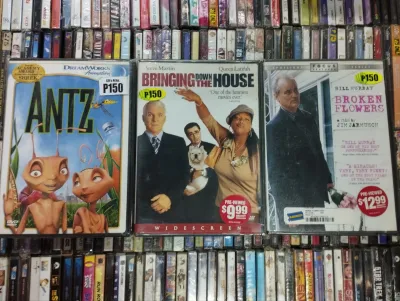

Prices are valid at publication and may change. Please refer to the product page for the latest price.
High-definition Blu-rays represent a significant leap in quality, offering full 1080p resolution and uncompressed multi-channel audio. This format is ideal for restored classics and visually ambitious contemporary films, where preserving fine film grain, color accuracy, and subtle sound design is essential. Blu-ray discs also feature a more durable protective coating than DVDs, making them highly resistant to minor surface scratches. Because of their superior quality and limited production runs, Blu-rays generally command a premium price and require a dedicated Blu-ray player or compatible gaming console for playback.
Legacy formats, particularly VHS tape movies, hold immense nostalgic and historical appeal. Many Filipino films from the 1970s through the 1990s were only ever released on tape and have not yet received digital or optical disc transitions. Collecting these analog tapes is a specialized pursuit that requires dedicated hardware, such as a well-maintained videocassette recorder (VCR). Because magnetic tape degrades naturally over time and is highly sensitive to physical wear, these items are collected primarily for historical preservation and nostalgic value rather than high-fidelity viewing.
Beyond the format itself, collectors should consider the packaging and edition types. Single-disc releases are straightforward and space-efficient, containing just the film and basic menus. Multi-disc box sets often compile a director’s complete filmography, a thematic series, or include a dedicated disc for bonus features. For premium collectors, limited-edition steelbooks or custom digipaks offer high-end physical presentation, often featuring exclusive cover art, slipcases, and printed booklets that elevate the collection’s aesthetic value on your shelf.
What to Look for When Selecting Filipino Film Editions
When building your collection, prioritizing quality and authenticity is crucial. The market contains various unauthorized copies, low-quality television transfers, and bootleg discs. To ensure your money supports the actual creators and preservationists, always look for official studio seals, licensed distributor logos, and director-approved restorations. Official restorations, often undertaken by local film archives or international preservation societies, carefully clean up scratches, correct color grading, and stabilize frames, presenting the film as close to its original theatrical release as possible.

Special features are a hallmark of a high-quality physical release. When comparing different editions of the same film, look for releases that include behind-the-scenes documentaries, deleted scenes, director and cast commentaries, and physical inserts like essays or production stills. These supplementary materials offer invaluable context, giving you a deeper appreciation of the filmmaking process and the historical environment in which the movie was produced.
Subtitle and audio specifications require careful verification before purchase. Ensure the disc includes accurate English subtitles, which is particularly important for sharing local cinema with non-Tagalog speakers or international guests. Check the audio tracks to confirm they feature the original language mix—whether Tagalog, Taglish, or regional languages like Cebuano—rather than poorly executed foreign dubs. High-quality releases will clearly list these specifications on the back of the packaging.
Finally, keep an eye out for limited-run independent film releases. Many indie filmmakers in the Philippines produce very small physical pressings of their work, sometimes distributing them exclusively at film festivals, independent cinema hubs, or directly through their production companies. These limited editions can go out of print quickly, making them highly sought-after collector’s items. Tracking these releases requires staying connected with local independent film communities and distributor announcements.
Reliable Channels for Buying Physical Media in the Philippines
Finding authentic physical media requires navigating a mix of online and offline channels. When shopping on major e-commerce platforms or online marketplaces, avoid generic listings with suspiciously low prices, as these are often bootleg copies. Instead, look for official brand stores, verified sellers, and authorized media distributors. Check customer reviews for photos of the actual product packaging, paying close attention to the print quality of the cover art and the presence of official holographic security stickers.
Specialty physical media shops and independent cinema merchandise counters are excellent brick-and-mortar options. While mainstream video rental chains have closed, dedicated physical media hubs and cultural institutions still maintain physical stock of local films. Visiting these locations allows you to physically inspect the condition of the packaging and discs before purchasing, and it connects you with knowledgeable staff who can recommend rare titles.
For out-of-print titles, classic releases, and legacy tape movies, second-hand markets and online collector forums are invaluable resources. When purchasing from independent sellers in collector groups, always practice safe buying habits. Request high-resolution photos of both the front and back of the disc or tape, and ask the seller to confirm that the media plays through without skipping or freezing. If possible, opt for secure payment methods that offer buyer protection, or arrange for in-person meetups in public spaces to inspect the item before finalizing the transaction.
Verifying Region Codes and Player Compatibility
Before finalizing any physical media purchase, you must ensure the disc will play on your home theater equipment. Optical discs use region coding systems designed to control global distribution. For DVDs, the world is divided into numerical regions, with the Philippines traditionally falling under Region 3 (Southeast Asia). Blu-rays use an alphabetical system, with the local market categorized under Region A. If you purchase an imported disc, it may be locked to a different region, such as Region 2 (Europe) for DVDs or Region B for Blu-rays.
To check a disc’s region compatibility, look for the small globe icon on the back of the case or printed directly on the disc face. Many boutique physical media labels release films as “Region-Free” (indicated by a “0” or “All” for DVDs, or “A/B/C” for Blu-rays). Region-free discs are highly desirable because they will play on any standard player worldwide, eliminating compatibility worries.
If you plan to collect imported editions of local films—which are sometimes released by international boutique labels in North America or Europe—you may need to adapt your playback setup. Consider investing in a dedicated region-free player, which bypasses regional locks entirely. Alternatively, some standard players can be modified or unlocked using specific remote control codes, though this depends heavily on the manufacturer and model. Additionally, verify video format standards; older analog tapes and some legacy European DVDs use the PAL format rather than the NTSC format standard in the Philippines, requiring a compatible television or signal converter.
Preserving Your Discs and Tapes in a Tropical Climate
The tropical climate of the Philippines presents unique environmental challenges for physical media preservation. High humidity and warm temperatures accelerate “disc rot”—a chemical reaction that oxidizes the reflective aluminum layer inside optical discs, rendering them unreadable. Humidity also encourages the growth of mold and mildew on legacy VHS tapes, which can ruin the magnetic tape and damage your playback equipment. To protect your collection, store your discs and tapes in a cool, dry room away from direct sunlight and external walls, which can transfer heat and moisture.
Using closed storage cabinets with silica gel packets is an effective, low-cost way to control moisture levels around your collection. For larger collections, running a dehumidifier in your media room can maintain optimal humidity levels (ideally between 30% and 50%). Always store optical discs vertically in their original plastic cases rather than stacking them horizontally, as horizontal pressure can warp the discs over time. VHS tapes should also be stored vertically to prevent the tape reels from sagging and warping.
Proper handling is essential to prevent physical damage. Always hold optical discs by their outer edges or the center spindle hole, keeping your fingers off the shiny data surface. Skin oils and fingerprints attract dust and moisture, which can lead to playback errors and promote mold growth. If a disc becomes dusty or smudged, clean it gently using a soft, dry microfiber cloth. Wipe in straight lines from the center hub outward to the edge; never wipe in circular motions, as circular scratches can follow the data track and cause permanent read errors. Avoid harsh household chemical cleaners, opting instead for specialized optical disc cleaning solutions when necessary.
Frequently Asked Questions (FAQ)
Are new Filipino films still being released on physical media?
While mainstream theatrical releases increasingly favor digital streaming platforms, physical media remains a vital niche format. Independent filmmakers, cultural heritage organizations, and specialty boutique labels continue to produce limited-run DVD and Blu-ray editions of local films. These physical releases are highly valued by collectors, film scholars, and enthusiasts who appreciate high-fidelity presentation, permanent ownership, and exclusive bonus content that streaming services do not provide.
How can I play region-locked imported DVDs on my local setup?
To play region-locked imported discs, you can use a multi-region or region-free DVD/Blu-ray player, which is designed to bypass regional playback restrictions. Some standard players can also be unlocked using specific remote control code sequences, though compatibility varies by brand and model. Always verify the region coding of both your playback hardware and the disc before purchasing to ensure seamless compatibility.
What is the best way to preserve or digitize old VHS tape movies?
Preserving legacy VHS tapes requires storing them vertically in a cool, dry, and dust-free environment, away from magnetic sources like speakers. To prevent the loss of rare analog films, you can digitize them by connecting a VCR to an analog-to-digital video capture card on a computer. For highly valuable, rare, or fragile tapes, consulting a professional digitization service is recommended to safely transfer the analog signal to a high-quality digital file without risking damage to the original tape.

Community discussion
Share your experience or ask a question. Comments are reviewed before publication.