
Starting your journey as a guitarist or bassist often comes with the temptation to buy every piece of gear available. However, not all accessories are created equal, and many items marketed to beginners are actually unnecessary until you develop specific techniques or stylistic preferences. This guide helps you diagnose your actual needs, separate the absolute essentials from the optional extras, and build a practical, budget-friendly accessory kit without wasting money on gear you will not use yet.
The Absolute Essentials: Accessories Every Beginner Needs
Tuning is the most critical skill to develop early in your musical journey. A clip-on tuner is highly recommended for beginners because it detects the physical vibrations of the headstock, making it reliable even in noisy practice environments. Pedal tuners are excellent for electric players planning to perform, but they require extra cables and power sources. Staying in tune is not just about sounding good; it actively trains your ears to recognize correct pitches, which is a foundational skill for long-term ear training.
Plectrums, or picks, and a reliable strap are next on the list of immediate needs. Picks come in various thicknesses, and starting with a medium gauge (around 0.71mm to 0.88mm) offers a balanced feel for both strumming and single-note practice. A strap is essential even when sitting, as it stabilizes the instrument and promotes proper posture. Before buying, check that the strap holes fit securely over your instrument’s strap buttons; a loose fit can lead to accidental drops.
Products mentioned in this guide
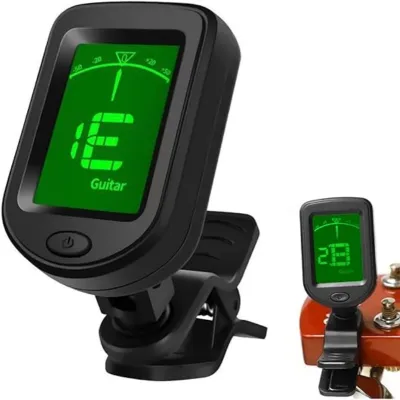
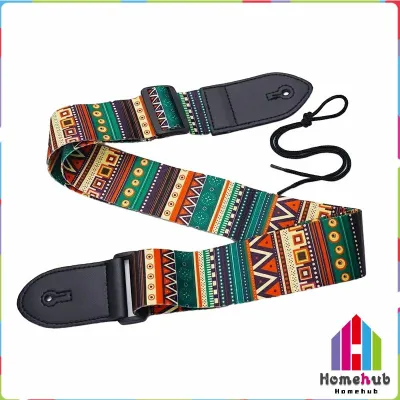
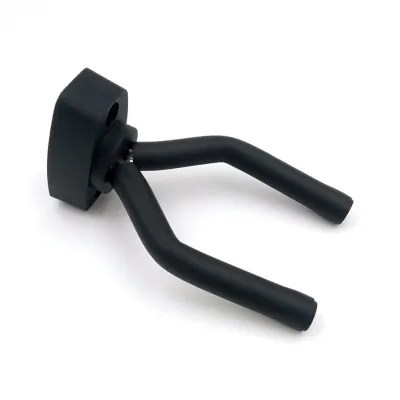
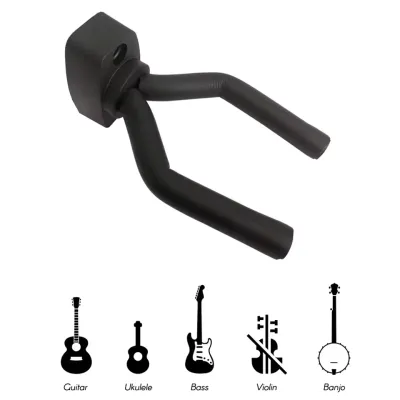
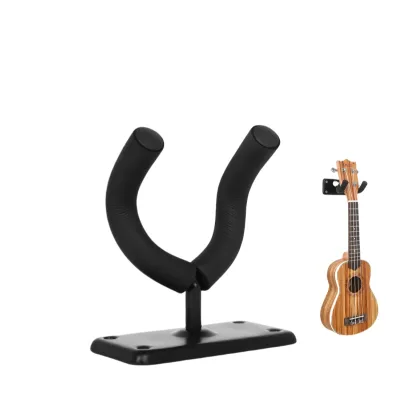
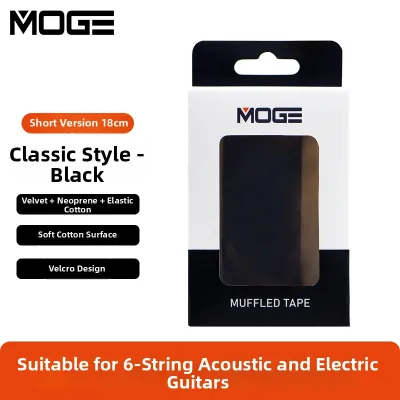
Prices are valid at publication and may change. Please refer to the product page for the latest price.
Protecting your instrument is vital from day one. A padded gig bag is usually the most practical choice for beginners, offering lightweight protection and backpack straps for easy transport to lessons. If you plan to travel frequently or store the instrument in high-traffic areas, a hard case provides superior crush resistance, though it is heavier and more expensive.
For electric guitarists and bassists, a reliable instrument cable is non-negotiable. Look for a cable with durable, molded or metal connectors and a thick outer jacket to prevent kinking. A standard three-meter cable is typically sufficient for home practice without creating a tripping hazard.
The "Wait and See" Category: Optional Accessories to Skip for Now
It is tempting to dive straight into effects pedals, but complex signal chains and multi-effects processors often hinder progress. Spending hours tweaking digital delay times or distortion levels takes away from valuable finger-training and rhythm practice. Master the clean tone of your amplifier first before introducing electronic modifications to your sound.

Accessories like capos, slides, and highly specialized heavy or thumb picks are best left until your repertoire demands them. A capo is incredibly useful for acoustic singer-songwriters, but you do not need one to learn basic open chords and scales. Similarly, slide guitar is a specific technique that requires distinct setup adjustments, such as higher action, which can make standard learning more difficult for a novice.
Premium upgrades like mechanical strap locks, professional polishing kits, and multi-instrument stands can also wait. While keeping your instrument clean is important, a simple dry microfiber cloth is usually enough to wipe down strings and body surfaces after practice. Standard single-frame stands are perfectly adequate for keeping your instrument accessible at home without the need for expensive multi-guitar racks.
Consider upgrading or expanding your gear only when you hit specific milestones. For example, once you can transition smoothly between basic chords and are ready to learn songs that require key changes, a capo becomes a logical purchase. When you begin playing with other musicians or performing live, investing in premium strap locks and a robust pedal tuner becomes a practical step.
Bass-Specific vs. Guitar-Specific Accessory Needs
While guitarists and bassists share many basic needs, their gear requirements diverge due to the physical differences between the instruments. Bass guitars are significantly heavier and longer than standard electric guitars. Consequently, bassists should look for wider, heavily padded straps—ideally three inches or wider—to distribute the weight evenly across the shoulder and prevent muscle strain during long practice sessions.
Picks also differ between the two instruments. If you choose to play bass with a pick, you will generally need a much thicker, stiffer plectrum (often 1.0mm or thicker) made of dense material. Thinner guitar picks will flex too much against the heavy, high-tension bass strings, resulting in a weak tone and poor control.
Electronic accessories require careful selection as well. Standard instrument cables work perfectly fine for both instruments, but tuning devices can be a challenge. Some basic clip-on tuners struggle to register the low frequencies of a bass guitar, particularly the low E or B strings. When choosing a tuner, verify that the specifications explicitly state compatibility with bass frequencies, or look for a model with a dedicated bass tuning mode to avoid frustrating tracking delays or octave errors.
How to Build Your First Accessory Kit on a Budget
When starting out, you will often encounter pre-packaged beginner accessory bundles. While these kits seem convenient and cost-effective, they sometimes contain low-quality items, such as unpadded bags or flimsy cables that fail quickly. It is often more economical in the long run to purchase a few high-quality, individual essentials separately, focusing your budget on a durable gig bag and a reliable tuner.
When inspecting entry-level gear for durability, look for specific physical indicators. For straps, check that the end tabs are made of thick, reinforced material that will not easily stretch out over the strap buttons. For cables, look for strain-relief boots at the connector joints to prevent internal wire breakage. For gig bags, test the zippers to ensure they glide smoothly without catching, and verify that the padding is thick enough to cushion against minor bumps.
While online marketplaces offer convenience and competitive pricing, visiting a local music store is highly beneficial for beginners. A physical store allows you to test the fit of a gig bag with your specific instrument model and feel the weight and comfort of a strap before buying. Store staff can also demonstrate how to use a clip-on tuner or help you select the right pick thickness for your hand size and playing style.
Frequently Asked Questions (FAQ)
Do I need a humidifier for my acoustic guitar in the Philippines?
In the tropical climate of the Philippines, high humidity is generally more common than extreme dryness, but rapid environmental shifts can still damage acoustic wood. If you practice in a constantly air-conditioned room, the air can become dry enough to cause wood shrinkage, leading to sharp fret ends (fret sprout) or top cracks. Monitor your practice space with a simple hygrometer; if the relative humidity consistently drops below 40 percent, a soundhole humidifier is recommended. Conversely, if the room is highly humid (above 60 percent), keeping the guitar in its case with silica gel packets can help maintain structural stability. Always check your instrument manufacturer’s care instructions for specific humidity tolerances.
Can I use standard guitar cables and tuners for my bass?
Yes, standard quarter-inch instrument cables are fully compatible with both electric guitars and bass guitars, as they share the same signal impedance requirements. However, tuners require a bit more scrutiny. While many modern digital tuners can process bass signals, some basic clip-on models may experience octave errors or fail to register the low pitch of the bass strings. To verify compatibility, test the tuner on your bass’s lowest string; if it struggles to display the note, look for a tuner that features a dedicated bass mode or vibration-sensing technology optimized for low-frequency instruments.

Community discussion
Share your experience or ask a question. Comments are reviewed before publication.