
Finding the right inspirational books for personal growth requires looking beyond generic bestseller lists to find titles that speak directly to your current life stage, cultural context, and practical goals. For readers in the Philippines, the most impactful self-help literature bridges the gap between universal wisdom and local realities, such as managing close-knit family expectations, navigating unique economic landscapes, or transitioning between career paths. By focusing on actionable frameworks rather than vague motivational speeches, you can select books that foster genuine, lasting transformation.
Identifying Your Personal Development Goals
Before browsing the shelves or scrolling through online bookstores, you must clarify what you want to achieve. Personal growth books generally fall into two categories: those designed for short-term skill acquisition and those aimed at long-term mindset shifts. If you need to improve your immediate productivity, manage a project, or learn basic budgeting, a highly tactical, skill-focused guide is your best choice. Conversely, if you are battling imposter syndrome, seeking purpose, or trying to build overall resilience, you should look for books that address core beliefs and cognitive habits.
Your current life stage heavily influences which book will be most beneficial. A fresh graduate entering the competitive corporate environment in Metro Manila faces different challenges than an experienced professional transitioning to remote freelance work. Similarly, those returning from overseas employment or managing long-distance family dynamics require narratives that address displacement, reintegration, and financial restructuring. Aligning your reading choices with these specific transitions ensures the advice feels relevant and immediately applicable.
Products mentioned in this guide
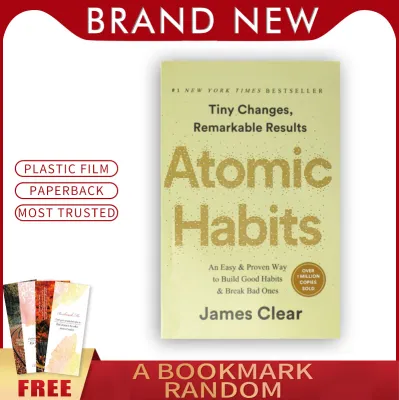
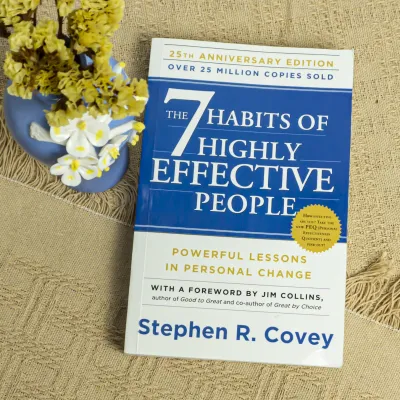
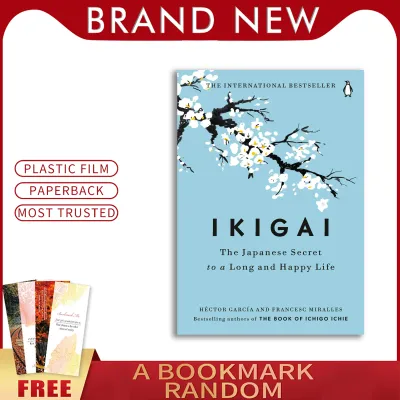
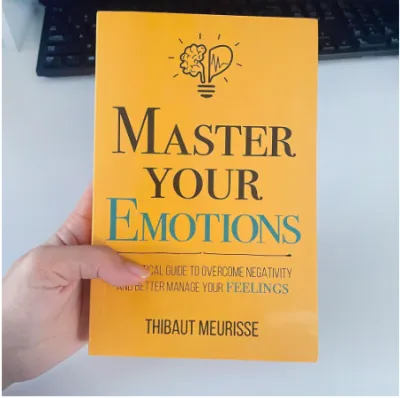

Prices are valid at publication and may change. Please refer to the product page for the latest price.
To avoid falling into the trap of passive reading, define what success looks like before opening the first page. Establish measurable outcomes, such as implementing one new time-management technique per week or drafting a personal five-year financial plan. This intentional approach shifts your relationship with self-help literature from casual entertainment to an active, structured development program.
Criteria for Evaluating Self-Help and Inspirational Books
The self-help market is vast, making it essential to evaluate the credibility of an author before investing your time and money. Investigate the author’s professional background, academic credentials, or documented real-world experience in the field they write about. An author sharing lessons from decades of running a business or practicing psychology generally offers more reliable guidance than someone whose sole credential is writing self-help books.

Cultural relevance is another critical filter for readers in the Philippines. Many global bestsellers are written from a Western perspective that assumes high levels of social safety nets, individualistic family structures, and specific financial systems. When evaluating a book, consider whether its core advice can survive translation into a local context where family interdependence is strong, and economic structures differ. Look for authors who acknowledge these systemic realities or local editions that adapt the concepts for domestic readers.
A high-quality inspirational book balances motivational anecdotes with practical, step-by-step strategies. While inspiring stories of triumph can spark initial enthusiasm, they rarely provide the tools needed to sustain change. Scan the table of contents and chapter summaries to ensure the book includes exercises, diagnostic questions, or clear frameworks you can execute on your own.
Finally, cross-reference reader reviews on independent platforms and book community forums rather than relying solely on the promotional blurbs on the cover. Look for detailed reviews that discuss the book’s structural flaws, repetitive arguments, or unrealistic expectations. Paying attention to critical feedback helps you form a balanced expectation and avoid overhyped titles that deliver little substance.
Exploring Growth Themes Relevant to Local Contexts
Financial literacy remains one of the most vital areas of personal growth for local readers. When exploring wealth-building literature, prioritize books that address local economic conditions, inflation realities, and accessible investment vehicles such as local mutual funds, cooperative schemes, or digital banking platforms. Practical guides should help you navigate the balance between personal savings and family financial obligations, offering realistic strategies for building an emergency fund.
Career development is another major theme, particularly as professional landscapes shift toward hybrid setups and global remote work. Look for books that teach negotiation, professional communication, and boundary-setting within both traditional corporate hierarchies and modern freelance environments. Understanding how to advocate for your career progression while respecting local workplace dynamics is key to sustainable professional growth.
Mental health and resilience are increasingly crucial in high-pressure urban environments where long commutes and demanding workloads are common. Books focusing on stress management, cognitive behavioral techniques, and burnout prevention offer vital tools for maintaining well-being. These resources are especially helpful when they address the cultural nuances of emotional expression and the importance of destigmatizing mental health care within families and workplaces.
For those interested in entrepreneurship, select books that analyze micro-business strategies, side-hustle management, and local consumer behavior. The local market landscape relies heavily on relationship-based selling, digital communities, and agile logistics. Reading material that explains how to test business ideas with minimal capital and scale them within local communities can save you from costly initial mistakes.
Sourcing and Verifying Book Editions
When you are ready to purchase, compare prices and availability across physical bookstores, local public or university libraries, and authorized online retailers. Prices for imported paperbacks typically range from ₱400 to over ₱1,200 depending on the format and publisher. Checking multiple authorized platforms ensures you do not overpay or accidentally purchase low-quality, unauthorized reprints that often contain missing pages or illegible text.
Always verify the publication date, edition, and language of the book before finalizing your purchase. For books containing financial, technological, or scientific advice, older editions may contain outdated information that is no longer applicable. If you are purchasing a translated work, check the translator’s credentials and read sample pages to ensure the tone and core concepts have been preserved accurately without awkward phrasing.
If you prefer digital reading, pay close attention to digital rights management (DRM) and device compatibility. Ensure the e-book or audiobook format matches your specific e-reader, tablet, or smartphone application. Some platforms restrict file transfers between different devices, so verifying compatibility beforehand prevents frustration and ensures a seamless reading experience.
When buying from third-party sellers on online marketplaces, carefully review seller ratings, customer feedback photos, and return policies. Look for indicators of genuine copies, such as official publisher seals or holographic stickers. Reliable sellers usually offer clear return windows and responsive customer service, protecting your investment from counterfeit goods or damaged shipments.
Translating Reading into Actionable Habits
Owning a book is only the first step; the real value lies in integrating its lessons into your daily routine. Set a realistic reading schedule that fits your lifestyle, such as reading for fifteen minutes during your morning commute or before sleeping. Avoid the temptation to rush through chapters to finish quickly, as slow, deliberate reading prevents cognitive fatigue and improves comprehension.
Employ active reading techniques to maximize retention. Keep a dedicated journal, highlight key passages, or write brief summaries in the margins of your physical books. If you are using an e-reader, make full use of the digital highlighting and note-taking features. Summarizing a chapter in your own words forces your brain to process and store the information more deeply.
Creating an accountability system can significantly boost your long-term motivation. Consider joining local reading clubs, online discussion groups, or partnering with a friend who shares similar growth goals. Discussing the book’s concepts with others exposes you to different perspectives and encourages you to follow through on the commitments you make while reading.
Finally, establish a regular review cycle to track your progress over time. Every few months, revisit your reading journal or highlighted passages to assess how well you have implemented the book’s strategies. This practice helps you identify which habits have stuck, which areas need adjustment, and when it might be time to move on to a new book to address your next stage of personal development.
Frequently Asked Questions (FAQ)
How can I determine if a translated self-help book retains its original meaning?
To verify the quality of a translated self-help book, start by reading sample chapters online to check if the language flows naturally and maintains a professional tone. Look for reviews on independent book platforms that specifically discuss the translation quality, noting if other readers found the concepts clear or confusing. Additionally, research the reputation of the publishing house, as established publishers typically employ experienced translators and editors to ensure conceptual accuracy.
Are audiobooks as effective as physical books for personal growth?
The effectiveness of a book format depends largely on your learning style and daily routine. Audiobooks are highly effective for multitasking, allowing you to absorb motivational concepts or narrative-driven advice during daily commutes, exercise, or household chores. However, physical books or e-books are generally superior for dense, highly technical material that requires deep focus, active annotation, and frequent referencing of diagrams or step-by-step exercises.

Community discussion
Share your experience or ask a question. Comments are reviewed before publication.