
Finding a reliable instrument to start your musical journey does not require a massive financial investment. For students and hobbyists in the Philippines, a budget of ₱10,000 is a highly practical sweet spot for acquiring a Davis keyboard piano. This price range offers several entry-level options that balance essential learning features with affordability. However, navigating this budget requires a clear understanding of what features are realistic, how to verify product specifications, and how to calculate the true cost of ownership once accessories are factored in. By focusing on key action, connectivity, and reliable purchasing channels, you can secure a capable instrument that supports your progress without exceeding your budget.
Understanding the ₱10,000 Budget for Davis Keyboards
When shopping for a Davis keyboard piano under ₱10,000, it is crucial to understand what this price tier realistically delivers. In this bracket, you will primarily find 61-key portable keyboards rather than full-sized, 88-key digital pianos. A 61-key layout is highly suitable for beginners and hobbyists, as it covers five octaves—more than enough for early lessons, popular songs, and basic music theory. True 88-key digital pianos with weighted keys generally sit above this price point, so managing expectations regarding key count is the first step toward a satisfying purchase.
At this budget level, manufacturers make specific trade-offs in build materials and internal hardware to keep costs low. The chassis of these keyboards is almost exclusively made of lightweight plastic. While this makes the instrument highly portable and easy to move around a room, it also means the casing is more susceptible to physical wear and environmental factors. In the tropical climate of the Philippines, high humidity can sometimes affect internal contacts over time, making a sturdy plastic build and proper storage essential.
Products mentioned in this guide
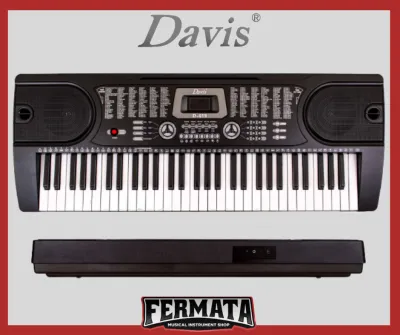
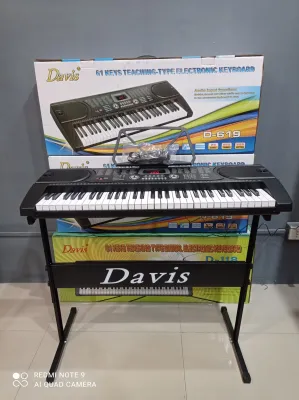
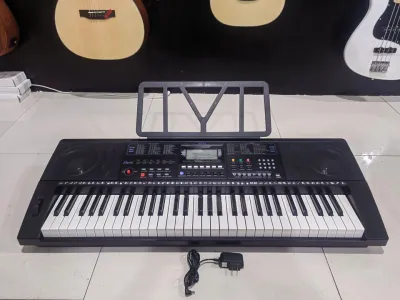
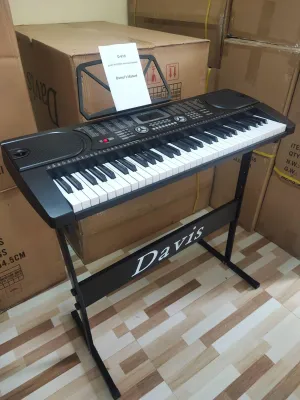
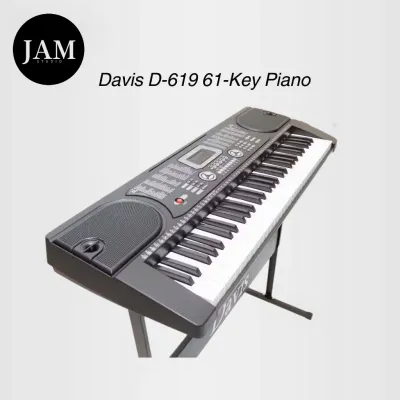
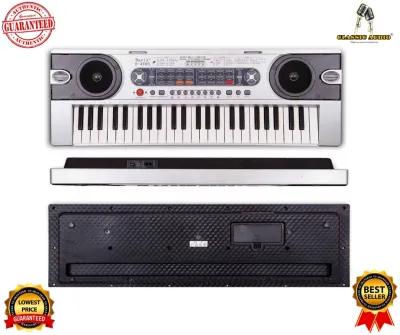
Prices are valid at publication and may change. Please refer to the product page for the latest price.
Additionally, the internal sound engines and speaker systems in budget keyboards have clear limitations. You can expect modest polyphony limits, often ranging from 16 to 32 notes. Polyphony refers to the number of individual notes or voices the keyboard can play simultaneously; a lower limit means notes may cut off prematurely when playing complex chords or using a sustain pedal. The built-in speakers typically range from 2 to 5 watts per channel. While sufficient for quiet bedroom practice, these speakers may distort at maximum volume, making external headphones or small amplifiers necessary for clearer sound.
Finally, buyers must look closely at what comes in the box. A standard budget package usually includes the keyboard itself, a basic power adapter, and a detachable sheet music stand. Essential accessories like a sustain pedal, a height-adjustable stand, a bench, or a protective dust cover are rarely bundled in the base price. When planning your budget, you must account for these additional items, as playing a keyboard placed flat on a standard desk or table can lead to poor posture and hand strain.
Essential Features to Prioritize for Students and Hobbyists
For those learning to play, the physical feel of the keys—known as the key action—is one of the most critical specifications to consider. Most Davis keyboard pianos under ₱10,000 feature synth-action keys. These keys are light, springy, and rely on plastic springs rather than weights to return to their original position. While synth-action is excellent for young children or casual hobbyists who want an easy-to-press key, it does not mimic the resistance of an acoustic piano. If your goal is to transition to a traditional piano later, look for models that advertise touch-sensitive or velocity-sensitive keys, which allow you to control the volume of the note by how hard you strike the key.

The quality of the sound engine is another priority that directly impacts your practice experience. Budget instruments use digital samples of acoustic pianos to recreate the sound. When evaluating a Davis keyboard piano, check the specifications for the quality of these samples and the available polyphony. A minimum of 32-note polyphony is highly recommended for beginners. This ensures that when you play a two-handed chord while holding down a sustain pedal, the older notes do not abruptly drop out. A clean, clear piano sample helps train your ears to recognize correct pitch and tone, which is vital for developing musicality.
Connectivity options are often overlooked but are incredibly important for modern learning methods. Ensure the keyboard you select features a USB-MIDI port (sometimes labeled as USB to Host). This interface allows you to connect the keyboard to a computer, tablet, or smartphone. By doing so, you can use interactive learning apps, music notation software, or digital audio workstations to record your playing. This digital integration turns a basic keyboard into a powerful educational tool, allowing students to follow visual guides and receive real-time feedback on their performance.
Another indispensable connection is the headphone jack. In busy households where space is shared, the ability to practice silently is invaluable. A standard 3.5mm or 6.35mm headphone output allows you to practice at any hour of the day or night without disturbing family members or neighbors. It also helps the player focus entirely on their technique without external distractions. Before purchasing, verify the jack size so you can obtain the correct adapter for your existing headphones if necessary.
How to Verify Specifications and Calculate True Costs
Online listings on e-commerce platforms can sometimes feature exaggerated or inaccurate product descriptions. To avoid disappointment, always cross-reference the seller’s claims with official manufacturer documentation or user manuals. If a listing claims a keyboard has fully weighted keys or high polyphony for an unusually low price, treat it with skepticism. Downloading the official user manual for the specific Davis model is the most reliable way to confirm the actual hardware specifications, connection ports, and included accessories.
To keep your total expenditure strictly under ₱10,000, you must calculate the total cost of ownership by listing all necessary add-ons. A basic keyboard setup requires more than just the instrument itself.
Essential Add-on Checklist:
- Keyboard Stand: An X-stand or double-X stand is necessary to hold the instrument securely at the correct playing height.
- Sustain Pedal: A pedal is required to sustain notes, which is essential for almost all intermediate piano pieces.
- Power Adapter: Ensure the package explicitly includes a compatible power adapter suitable for local 220V outlets, as some imported units may require a separate purchase.
- Padded Bench: A proper seat helps maintain correct posture, preventing back and wrist fatigue during long practice sessions.
- Dust Cover: In tropical environments, dust and humidity can quickly settle into the key contacts, making a simple fabric cover a wise investment to prolong the instrument's lifespan.
By adding the prices of these accessories to the base cost of the keyboard, you can ensure the entire package remains within your ₱10,000 budget.
When shopping online, watch out for red flags that indicate a risky purchase. Be cautious of listings with vague return policies, extremely short warranty periods, or sellers who cannot provide clear answers about local warranty coverage. In the Philippines, a reputable distributor should offer a local warranty that allows you to service or replace the unit without shipping it back overseas. Avoid unverified third-party sellers who have low ratings or lack a history of selling musical instruments, as they may be distributing counterfeit goods or units with hidden defects.
Where to Buy and What to Check Before Checkout
Choosing where to buy your Davis keyboard piano involves weighing the convenience of online shopping against the security of physical retail. Purchasing from an authorized local music store in the Philippines is highly recommended. Physical stores allow you to test the key action, hear the speaker quality in person, and speak directly with knowledgeable staff. Furthermore, local stores make it much easier to handle warranty claims or exchanges if something goes wrong. If you choose to buy from an online marketplace, ensure you are purchasing from the official brand store or a certified local dealer with a high positive feedback rating.
Before finalizing your online purchase, carefully read the seller’s return policy and warranty registration steps. A reliable seller should offer at least a 7-day replacement window for factory defects and a 6-month to 1-year local warranty. Upon receiving the package, document the unboxing process by taking a continuous video. This video serves as indisputable proof of the item’s condition upon arrival, which is crucial if the keyboard suffered transit damage during shipping.
Once the keyboard is unpacked, perform an immediate and thorough testing protocol before confirming receipt or discarding the packaging.
Immediate Testing Protocol:
- Physical Inspection: Check the plastic chassis for cracks, loose screws, or misaligned seams that may have occurred during transport.
- Individual Key Test: Turn on the keyboard and press every single key one by one, from the lowest note to the highest. Ensure each key produces a sound, returns to its position smoothly, and does not stick or make unusual mechanical noises.
- Connection Check: Plug in a pair of headphones to verify that the headphone jack works and cuts off the internal speakers when connected. Test the sustain pedal port and the USB-MIDI port to ensure they register inputs correctly.
- Power Stability: Keep the keyboard turned on for at least thirty minutes to ensure the power adapter does not overheat and the unit does not randomly shut down or reset.
Frequently Asked Questions (FAQ)
Can I find an 88-key weighted Davis piano under ₱10,000?
Finding a brand-new Davis keyboard with 88 fully weighted keys under ₱10,000 is highly unlikely. Fully weighted hammer-action keybeds require complex mechanical components that drive up manufacturing and shipping costs. In this budget range, you will primarily find 61-key synth-action or semi-weighted models. If your learning goals strictly require 88 weighted keys, you may need to increase your budget significantly or consider looking for a well-maintained secondhand digital piano from a reputable local seller.
Do budget Davis keyboards include learning features or built-in lessons?
Many entry-level Davis keyboards include basic built-in learning tools, such as a metronome, a library of demo songs, and a simple recording function to listen back to your practice. Some models also feature visual guides on the LCD screen showing which notes to press. However, these built-in lesson systems are often basic. For a more comprehensive learning experience, it is highly recommended to use the keyboard’s USB-MIDI port to connect to external educational apps on a tablet or computer, which offer interactive, step-by-step tutorials.
What should I do if the delivered keyboard has unresponsive keys?
If you discover unresponsive keys upon delivery, first perform a basic system reset by turning the keyboard off, unplugging the power adapter for a few minutes, and plugging it back in directly to a stable wall outlet. If the issue persists, do not attempt to open the chassis, as this will void your warranty. Immediately document the problem with a clear video showing the unresponsive keys. Contact the seller right away to initiate a return or replacement under their return policy, ensuring you keep all original packaging intact.

Community discussion
Share your experience or ask a question. Comments are reviewed before publication.