
Starting your drumming journey in the Philippines is an exciting milestone, but stepping into a local music store or browsing online marketplaces can quickly feel overwhelming. With an array of numbers, letters, wood types, and tip shapes on display, finding the right pair of drum sticks is crucial for developing proper hand technique and avoiding early fatigue.
For most beginners, the ideal starting point is a pair of 5A hickory drum sticks with a wood teardrop tip. This classic configuration offers a balanced weight, excellent durability under tropical conditions, and superb versatility, making it suitable for everything from church worship services to bedroom practice sessions.
Decoding Drum Stick Sizes and Weights for Beginners
Understanding the alphanumeric codes stamped on every drum stick is the first step to making an informed purchase. These codes, such as 5A, 7A, 5B, and 2B, are industry-standard designations that tell you the thickness and intended application of the stick. While different manufacturers may have slight variations in length, the general sizing rules remain consistent across almost all brands.
Products mentioned in this guide
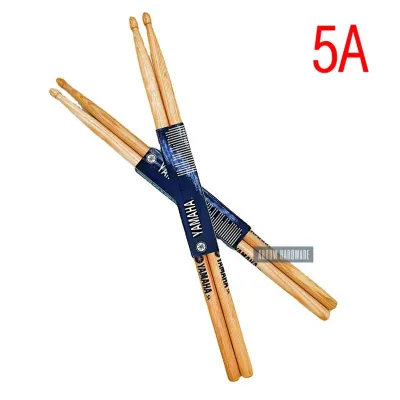
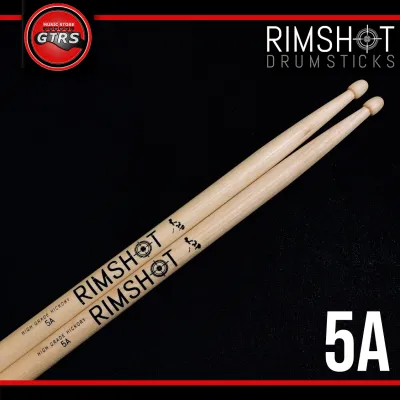

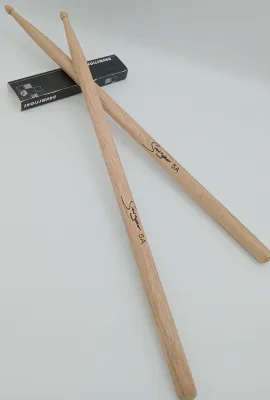
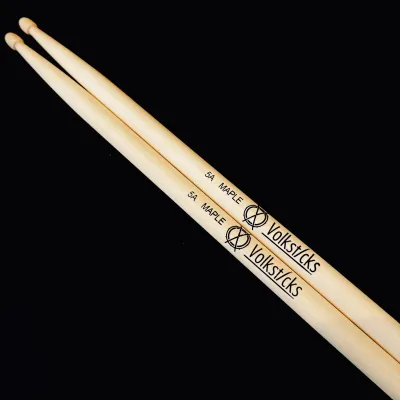
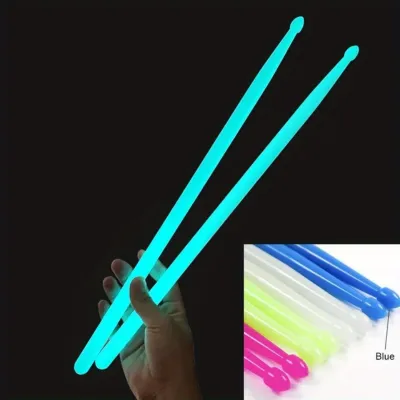
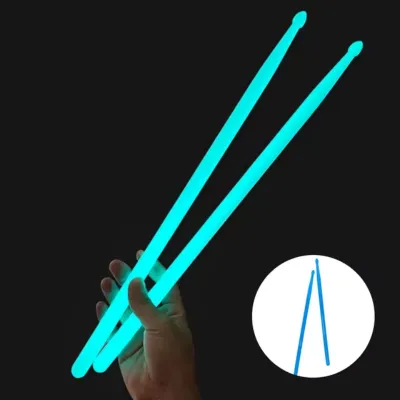
Prices are valid at publication and may change. Please refer to the product page for the latest price.
The number in the code indicates the diameter of the stick. Counterintuitively, a lower number represents a thicker stick, while a higher number represents a thinner stick. For example, a 5A stick is thicker than a 7A stick, but thinner than a 2B stick. For beginners, choosing a stick that is too thick can strain small hands, while a stick that is too thin might not provide enough physical feedback to learn proper control.
The letter in the code historically designated the recommended musical application. The letter “A” originally stood for orchestra or dance bands, indicating a thinner neck and a softer sound. The letter “B” stood for band, designed for brass bands and symphonies where more volume and power were required. Today, these letters serve as a general guide to the stick’s weight and taper, with “A” models being lighter and more agile, and “B” models being heavier and more robust.
Weight and balance play a massive role in how a drum stick behaves in your hands. When you strike a drumhead or a practice pad, you rely on the stick’s natural rebound to lift it back up for the next stroke. A mid-weight stick like the 5A provides the perfect amount of mass to generate a natural rebound without requiring you to force the movement with your wrists. This balance is essential for learning fundamental rudiments, such as the double-stroke roll and the paradiddle, without developing bad habits or hand strain.
If you start with a stick that is too light, such as a 7A, you may find yourself overcompensating by gripping the stick too tightly to generate volume. This excess tension can lead to wrist fatigue or even repetitive strain injuries over time. Conversely, starting with a heavy 2B or 5B stick can make fast patterns feel sluggish and clumsy for undeveloped forearm muscles. Beginning with a standard 5A allows your hands to adapt to a neutral weight, giving you a solid baseline from which you can later decide to go lighter or heavier.
Selecting the Right Wood and Tip Shape for Your Setup
The material of your drum sticks directly impacts their durability, feel, and the sound they produce. Most drum sticks are made from one of three primary wood types: hickory, maple, or oak. Each wood has distinct physical properties that behave differently under various playing conditions.

Hickory is the undisputed standard for a reason. It possesses an excellent balance of density, weight, and flexibility. Most importantly, hickory is highly effective at absorbing shock. When you strike a hard surface like a cymbal or a rim, the wood absorbs a significant portion of the vibration, preventing it from traveling up the shaft and into your hands. This shock-absorption quality makes hickory the safest and most comfortable choice for beginners who are still refining their striking force.
Maple is a much lighter and less dense wood. A maple stick of the same dimensions as a hickory stick will feel roughly ten to fifteen percent lighter. This makes maple excellent for quiet practice, jazz, or players who prefer a fast, effortless swing. However, the trade-off is durability. Maple is softer and chips much more easily, meaning a beginner practicing energetic rock patterns may find themselves breaking maple sticks quite frequently.
Oak is at the opposite end of the spectrum, being incredibly dense, heavy, and durable. While oak sticks last a long time and resist chipping, they do not absorb shock well. The intense vibrations from heavy hitting are transferred directly to your wrists and elbows, which can cause discomfort during long practice sessions. For this reason, oak is generally not recommended for beginners who have not yet mastered relaxed grip techniques.
Beyond the wood type, the shape of the stick’s tip determines how it interacts with your drums and cymbals. The most common tip shapes include teardrop, round, barrel, and oval.
- Teardrop Tips: These feature a tapered shape that provides a warm, focused tone. Because of their elongated surface area, they are highly forgiving of slight variations in the angle at which you strike the drum, making them ideal for beginners.
- Round Tips: These have a spherical shape that produces a bright, highly consistent sound regardless of the angle of impact. They are excellent for crisp cymbal definition.
- Barrel Tips: These have a flat, cylindrical shape that delivers a broader, punchier sound with maximum volume, often preferred for loud rock or marching applications.
You must also choose between wood tips and nylon tips. Wood tips offer a traditional, warm sound, particularly on cymbals, but they can chip and split over time. If a wood tip chips, it can develop sharp edges that can easily puncture or dent your drumheads. Nylon tips are virtually indestructible and deliver a very bright, cutting sound. They are highly recommended for electronic drum kits because they will never chip and snag the delicate mesh heads, though they can sound overly harsh on acoustic cymbals.
Sourcing Authentic Drum Sticks in the Philippines
Finding genuine drum sticks in the Philippines requires a bit of consumer awareness, as counterfeit musical accessories are common in both physical and digital marketplaces. Purchasing authentic gear ensures that you get the correct wood density, straightness, and durability that you pay for.
The most reliable way to purchase authentic drum sticks is through established local music retail chains. These stores often have physical branches in major shopping malls across Metro Manila, Luzon, Visayas, and Mindanao. Visiting a physical store allows you to hold the sticks, feel their weight, and test them before buying. If you prefer the convenience of online shopping, look for the official flagship stores of these major distributors on local e-commerce platforms. These digital storefronts are authorized by major international drum stick brands and guarantee genuine products.
When browsing online marketplaces, be highly skeptical of suspiciously low prices. Genuine entry-level to mid-range drum sticks from reputable brands typically cost between ₱400 and ₱900 per pair. If you encounter listings offering premium international brands for ₱100 to ₱150, they are almost certainly counterfeit. These cheap replicas are often made from low-grade, unseasoned wood that warps rapidly in the humid Philippine climate or snaps within the first few minutes of use.
Other red flags for counterfeit products include misspelled brand names on the packaging, blurry or smudged logo prints on the wood shaft, and highly irregular wood grain. Authentic manufacturers use high-precision laser engraving or clean, crisp ink stamps to mark their logos and model numbers.
When ordering through online marketplaces, always check the seller’s ratings and read customer reviews carefully. Look for reviews that include real photos and videos of the product received. Verify that the seller has a high chat response rate and a history of positive feedback. Additionally, ensure the store offers a clear return and refund policy. This protection is vital because even authentic wood sticks can occasionally warp during transit if they are subjected to extreme heat and humidity in delivery trucks.
Building Your First Shortlist: Ideal Starting Specifications
To make your first purchase as straightforward as possible, it helps to have a concrete set of specifications to look for when browsing local inventories. Having a clear target prevents you from getting distracted by specialty models or signature artist sticks that may not suit a beginner’s learning curve.
For your very first pair, aim for the following baseline specifications:
- Size: 5A
- Material: Hickory
- Tip Type: Wood
- Tip Shape: Teardrop
- Finish: Natural or light lacquer
While this baseline is perfect for the vast majority of players, you can make minor adjustments based on your physical attributes or practice environment. If you have particularly small hands or a lighter grip, you might want to shortlist a pair of 7A hickory sticks instead, as they will feel more manageable. If you are practicing exclusively on an electronic drum kit with mesh heads, you should swap the wood tip for a nylon tip to protect your kit’s surfaces from potential wood splinters.
When comparing prices across different local sellers in the Philippines, keep a simple budget framework in mind. Entry-level sticks from reliable local or regional brands generally cost between ₱200 and ₱400. These are excellent for absolute beginners who want to test the waters without spending too much. Standard mid-range sticks from globally recognized brands usually retail between ₱500 and ₱900. These offer superior wood selection, better weight matching between the two sticks in the pair, and longer lifespans. Premium or signature artist sticks often cost ₱1,000 or more; while high-quality, they are unnecessary for someone just learning the basics.
Always factor in shipping costs when comparing online prices. A seller offering a stick for ₱500 with ₱100 shipping is a better deal than a seller offering the same stick for ₱450 with ₱200 shipping. If you live in provincial areas outside of Metro Manila, shipping fees can vary significantly, so check the final checkout price before making your decision.
Inspecting and Testing Your Drum Sticks Upon Delivery
Once your new drum sticks arrive, it is crucial to inspect them thoroughly before you start playing. Wood is a natural, organic material that can warp, crack, or absorb moisture, especially during storage and shipping in a tropical climate. Catching any manufacturing or transit defects early allows you to initiate a return or exchange before the sticks show signs of use.
The first and most important test you should perform is the roll test. Find a completely flat, smooth surface, such as a glass tabletop, a polished marble counter, or a flat tiled floor. Place one drum stick on the surface and gently roll it back and forth with the palm of your hand. Watch the tip of the stick closely as it rolls. If the tip wobbles, curves upward, or if the stick makes an uneven thumping sound as it rolls, the stick is warped. A warped stick will not rebound straight off the drumhead, which can severely hinder your ability to develop consistent hand technique. Repeat this test with the second stick.
Next, conduct a thorough visual inspection of the wood grain. Hold the stick up to the light and look at the grain lines running down the length of the shaft. Ideally, these lines should run perfectly straight from the butt end all the way to the tip. If the grain lines run diagonally and exit the side of the stick (known as grain run-out), this creates a major structural weak point. Sticks with severe grain run-out are highly prone to snapping along those diagonal lines, even under light use.
Examine the finish and texture of the wood. Run your fingers along the entire length of both sticks. They should feel smooth and consistent, without any rough splinters, deep knots, or sticky patches of excess lacquer. In the humid Philippine climate, a heavy, glossy lacquer finish can become incredibly slippery when your hands sweat. A natural or light satin finish is generally preferred as it provides a more secure grip during long practice sessions.
Finally, inspect the integrity of the tips. Ensure that both tips are perfectly symmetrical, smooth, and free of any hairline cracks, chips, or flat spots. If you find any structural defects during these tests, do not use the sticks to play. Take clear, well-lit photos of the defects, and record a short video of the roll test showing the wobble. Contact the seller immediately through the e-commerce platform’s messaging system to initiate a return or exchange. Most reputable sellers will gladly replace defective items, but they will reject your claim if the sticks show any signs of play wear, such as stick marks or dents.
Frequently Asked Questions (FAQ)
How often should a beginner replace their drum sticks?
A beginner should replace their drum sticks as soon as they show signs of structural compromise. Look for visual cues such as deep gouges along the shoulder (usually caused by hitting cymbal edges), severe fraying or splintering along the shaft, or a chipped tip. A chipped wood tip can easily puncture a drumhead, leading to a much more expensive repair.
The lifespan of your sticks depends heavily on your playing style, grip tightness, and practice surface. If you practice with a relaxed grip on a soft rubber pad, a single pair of sticks can easily last for several months. However, if you play with a tight, tense grip on an acoustic drum kit with heavy cymbals, you may need to replace your sticks much more frequently.
Should beginners use practice pads or real drums to break in new sticks?
Beginners should ideally use a high-quality rubber or silicone practice pad to break in new sticks and practice their daily rudiments. Practice pads provide a highly consistent, realistic rebound that helps you focus entirely on building wrist strength, finger control, and muscle memory without the distraction of loud acoustic volume.
Practicing on a pad also significantly extends the lifespan of your drum sticks. Acoustic drums and cymbals, especially when struck with improper beginner angles, place a lot of stress on the wood. By mastering your striking technique on a practice pad first, you ensure that when you transition to a real drum kit, your sticks will wear down evenly rather than breaking prematurely.

Community discussion
Share your experience or ask a question. Comments are reviewed before publication.