
Finding a reliable 88-key digital piano under ₱30,000 in the Philippines requires a clear understanding of what matters most for your musical journey. At this price point, you are looking for an instrument that serves as a dependable practice tool rather than a concert-grade masterpiece. By focusing on authentic key feel and reliable sound generation, you can secure an excellent instrument that fits your budget and withstands the local tropical climate. Navigating the balance between essential playing mechanics and secondary digital features is the key to making a smart investment.
What to Expect from an 88-Key Digital Piano Under ₱30,000
When shopping within a ₱30,000 budget, managing expectations regarding physical construction and playability is essential. Digital pianos in this price range are primarily designed for students, hobbyists, and gigging musicians who need a portable, cost-effective instrument. While you will not find the premium wooden keys or multi-layered acoustic modeling of high-end console pianos, manufacturers have made significant strides in delivering highly functional entry-level instruments.
The most critical factor to evaluate is the key action. In this price tier, you will encounter two main types: fully weighted hammer action and semi-weighted action. Fully weighted keys use physical weights or levers to simulate the resistance of a traditional acoustic piano’s hammers. This resistance is crucial for developing proper finger strength and technique, especially if you plan to transition to an acoustic piano in the future. Semi-weighted keys, on the other hand, rely on springs and light weights. While they do not offer the realistic resistance needed for serious classical training, they make the instrument significantly lighter and more affordable.
Products mentioned in this guide
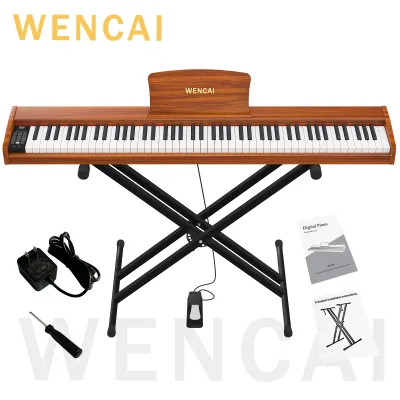
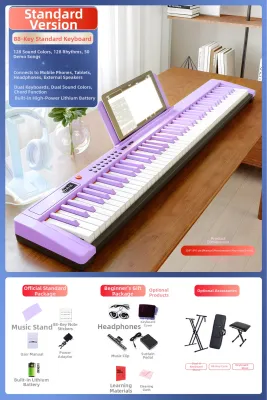
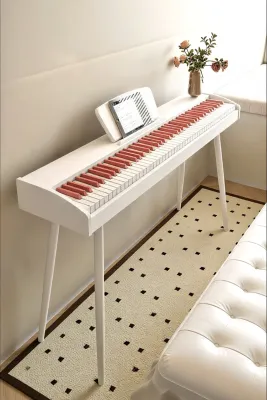
Prices are valid at publication and may change. Please refer to the product page for the latest price.
Sound engines in budget digital pianos typically rely on basic stereo sampling. This means the instrument plays back pre-recorded notes of a high-quality acoustic grand piano. While these samples sound clear and pleasant through headphones, the built-in speakers on budget models are often small, usually ranging from 4 to 8 watts per channel. In typical Philippine homes with concrete walls and tiled floors, these modest speakers can sometimes sound thin or muddy due to room acoustics. Using a good pair of headphones or connecting to an external keyboard amplifier can dramatically improve your listening experience.
The physical build of these instruments is almost exclusively plastic. A plastic chassis keeps the overall weight down, often making the piano highly portable and easy to move around your home. This portability is particularly convenient in tropical environments where you may need to rearrange furniture to avoid direct sunlight, high-humidity areas, or drafty windows during the rainy season. However, a lighter plastic body can sometimes feel less stable on a stand, which is a trade-off you must accept at this price point.
Prioritizing Features: Must-Haves vs. Compromises
To get the most value out of a ₱30,000 budget, you must prioritize features that directly impact your playing experience and skip the unnecessary extras. It is easy to get distracted by flashy digital displays, hundreds of built-in instrument sounds, and automatic accompaniment styles. However, these features often come at the expense of key action quality and sound realism.

Your non-negotiable checklist must start with a full 88-key layout and touch sensitivity. A complete keyboard allows you to play any piece of music without running out of keys, which is vital for classical and contemporary repertoire alike. Touch sensitivity, or velocity sensitivity, ensures that the piano responds dynamically to how hard or soft you strike the keys. Without this, your playing will lack expression, sounding flat and mechanical. Additionally, ensure the instrument has a dedicated sustain pedal input and at least one headphone jack for silent practice, which is indispensable in busy households.
On the other hand, you can easily compromise on secondary features to keep costs down. Bluetooth audio streaming, which allows you to play music from your phone through the piano’s speakers, is convenient but not essential for learning. Similarly, extensive rhythm accompaniments and onboard sound editing tools are fun to experiment with but do not contribute to building proper piano technique. Focus your budget on the quality of the primary acoustic piano sound rather than a library of hundreds of synthetic tones you will rarely use.
Another technical specification to watch is polyphony, which refers to the maximum number of individual notes the piano can produce at the same time. When you play a fast run of notes while holding down the sustain pedal, the piano must play all those notes simultaneously. If the polyphony limit is too low, older notes will abruptly cut off to make room for new ones. For a budget digital piano, a minimum of 64-note polyphony is acceptable for beginners, but aiming for 128-note polyphony will ensure the instrument remains usable as your playing becomes more advanced and complex.
Budgeting for Essential Accessories and Hidden Costs
When planning your purchase, remember that the digital piano itself is rarely the only expense. To stay strictly under your ₱30,000 limit, you must account for essential accessories and logistical costs that are often sold separately. Failing to budget for these items can leave you with an unplayable instrument sitting on your floor or dining table.
Most budget-friendly digital pianos are sold as “slab” models, meaning they do not come with an integrated wooden stand or a bench. While you can technically place the keyboard on a table, this setup rarely allows for the correct playing height, which can lead to poor posture and wrist strain. A sturdy double-braced X-stand or a dedicated wooden stand is a necessary purchase. Additionally, a comfortable, height-adjustable bench is crucial for maintaining proper form during long practice sessions.
Another common hidden cost is the sustain pedal. Many entry-level digital pianos include a small, plastic square foot switch in the box. These basic switches are lightweight and constantly slide around on tiled or polished wooden floors, making them frustrating to use. Upgrading to a heavier, metal damper-style sustain pedal with a slip-resistant rubber base is a highly recommended investment. This upgrade closely mimics the feel of an acoustic piano pedal and stays firmly in place while you play.
Finally, do not overlook shipping and handling fees, especially when ordering bulky musical instruments online. Shipping a large, heavy box containing an 88-key piano across the Philippines can add a significant amount to your total bill, particularly if you live outside Metro Manila. Be sure to calculate these delivery charges and any potential assembly fees before finalizing your purchase to ensure your entire setup remains comfortably within your ₱30,000 budget.
Pre-Purchase Checks to Avoid Common Pitfalls
Buying a digital piano is a long-term investment, so taking the time to perform a few pre-purchase checks can save you from costly mistakes. Because budget instruments are highly sought after, the market can sometimes include parallel imports, refurbished units, or older models that lack modern connectivity options.
First, always verify the warranty coverage and the reputation of the seller. Purchasing from an authorized local distributor ensures that your instrument is covered by an official manufacturer’s warranty. This is particularly important in the Philippines, where high humidity and tropical temperatures can occasionally affect sensitive electronic components and key sensors over time. A valid local warranty gives you access to authorized service centers and genuine replacement parts if any issues arise.
Next, carefully examine the connectivity ports on the back of the instrument. If you plan to use learning apps, interactive tutorials, or music production software, you will need a USB-to-Host port (usually a USB Type-B port) to connect the piano to your computer, tablet, or smartphone. Do not confuse this with a USB-to-Device port, which is only used for plugging in flash drives to play back audio files. Ensuring the piano has the correct MIDI-over-USB capabilities will prevent compatibility issues with your digital devices.
Lastly, double-check the exact package contents before completing your purchase. Some retailers offer bundles that include stands, headphones, and bags, while others sell the keyboard alone. Read the product description carefully to know exactly what is included in the box. When your delivery arrives, inspect the packaging for any signs of damage or tampering, and test every single key and button immediately to ensure the instrument arrived in perfect working condition.
Frequently Asked Questions (FAQ)
Can I connect a budget digital piano to a computer for recording?
Yes, you can connect a budget digital piano to a computer, but you must understand how the connection works. Most entry-level instruments feature a USB-to-Host port that transmits MIDI data, not actual audio. This means the computer records the digital instructions of your performance—such as which keys you pressed and how hard—rather than the physical sound of the piano. You can then use this MIDI data to trigger virtual instruments inside a digital audio workstation (DAW). If you want to record the actual built-in sounds of the piano, you will need to connect the instrument’s headphone or line-out jack to an external audio interface connected to your computer.
Is it better to buy a 61-key keyboard with more features instead?
The choice between an 88-key digital piano and a feature-rich 61-key keyboard depends entirely on your primary musical goals. If your main objective is to learn traditional piano, classical music, or prepare for formal lessons, an 88-key layout with weighted keys is essential. Smaller keyboards lack the range and physical resistance needed to build proper finger strength and learn complex pieces. However, if your focus is on electronic music production, songwriting, or you need a highly portable instrument with hundreds of synth sounds and rhythm accompaniments, a 61-key keyboard may offer better value for your specific creative workflow.

Community discussion
Share your experience or ask a question. Comments are reviewed before publication.