
Finding joy in solitude can feel like a countercultural act in a society that deeply values constant social connection and family-centric gatherings. Books centered on solo activities and self-discovery, such as the popular “200 Things to Do Alone” book, offer a refreshing blueprint for navigating independence. These guides serve as gentle invitations to step away from the noise, explore personal boundaries, and cultivate a fulfilling relationship with oneself. For readers in the Philippines, where daily life is often fast-paced and highly communal, dedicating time to solo exploration is not about isolation; it is about intentional self-growth and mental rejuvenation.
By engaging with books that prompt independent action, you transition from being a passive consumer of content to an active participant in your own development. Whether you are looking to explore your local neighborhood, start a creative project in your room, or simply sit comfortably with your thoughts, the right book can provide the structure you need to make solitude feel like an adventure rather than a chore.
Understanding the Appeal of Solo Activity and Self-Discovery Books
At their core, books focused on solo activities provide a structured framework for independence. In a world dominated by digital notifications and social obligations, these books offer a physical or conceptual space to slow down. They encourage mindful reflection by giving you permission to focus entirely on your own interests, without the pressure of external validation or the need to coordinate plans with others.
Products mentioned in this guide
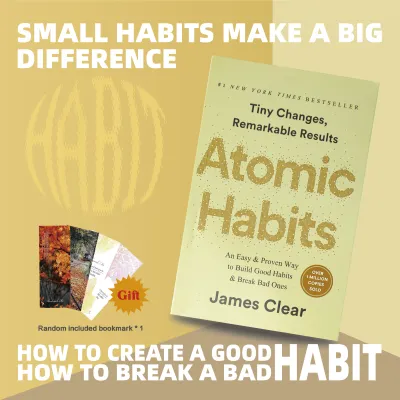
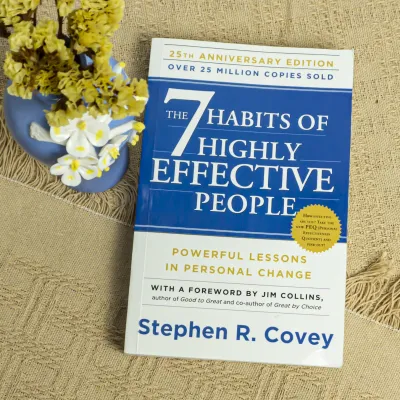
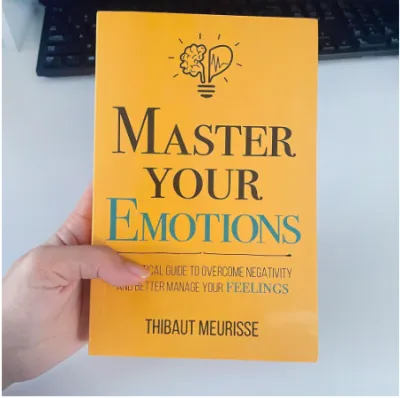
Prices are valid at publication and may change. Please refer to the product page for the latest price.
Unlike traditional self-help books that focus heavily on theory, interactive and prompt-based books require active participation. Passive reading can sometimes lead to information overload, where you absorb ideas but struggle to apply them. In contrast, prompt-based books challenge you to complete specific tasks, write down your thoughts, or step outside your comfort zone, turning abstract concepts of personal growth into tangible, lived experiences.
This approach is particularly valuable during major life transitions. If you are moving into your first solo apartment in a busy urban center, navigating a career change, or trying to establish a healthier relationship with technology, these books act as low-pressure guides. They help you build self-reliance by proving that you can enjoy your own company, try new hobbies, and navigate quiet moments without relying on constant external stimulation.
Key Criteria for Selecting the Right Book for Your Journey
Choosing the right self-discovery book requires looking beyond an attractive cover or a trending title. First, assess the book’s overall structure to ensure it aligns with your learning style. Some readers thrive on highly structured, actionable prompts that tell them exactly what to do, while others prefer philosophical essays accompanied by open-ended reflection questions. Knowing whether you want a step-by-step workbook or a contemplative guide will help you avoid buying a book that ultimately sits unused on your shelf.

Cultural and contextual relevance is another critical factor to consider. Many popular self-help books are written from a Western perspective, suggesting activities that may not be practical or accessible in your local environment. For instance, prompts that require specific outdoor terrains, seasonal weather like snow, or highly specialized infrastructure can be difficult to execute. Look for books with adaptable activities that can easily be done in a tropical climate, within your local neighborhood, or inside your own home.
It is also important to evaluate the author’s approach to mental health and emotional pacing. Self-discovery can sometimes bring up challenging emotions, so the tone of the book should feel supportive rather than demanding. A good guide respects your personal boundaries and encourages you to progress at a speed that feels safe and manageable, rather than pushing you into uncomfortable situations before you are ready.
Finally, consider the physical format of the book. If you enjoy the tactile experience of writing, sketching, or folding pages, a high-quality physical journal is often the best choice. However, in tropical climates with high humidity, physical books require careful storage to prevent paper degradation and mold. If you prefer to read on the go or want to keep your reflections private, an e-book format paired with a digital note-taking app might be a more practical and durable alternative.
Exploring Themes Similar to '200 Things to Do Alone'
Using a well-known benchmark like the “200 Things to Do Alone” book is an excellent way to discover similar titles that match your personal growth goals. When a specific trending book is out of stock or difficult to source locally, understanding its core appeal allows you to find alternative reads that offer a similar level of engagement. By identifying what draws you to a particular format, you can easily branch out into related sub-genres.
To simplify your search, it helps to categorize potential books based on how you prefer to engage with the content. Some books are designed for immediate, hands-on action, while others use storytelling to inspire internal reflection. Recognizing these distinct styles ensures you select a book that matches your current energy levels and personal goals.
Activity-Based Journals and Prompt Books
Activity-based journals are designed for readers who want concrete tasks to complete. When evaluating these books, look for a clear progression in the activities. A well-designed journal often starts with simple, low-barrier tasks and gradually moves toward more challenging solo adventures, allowing you to build confidence over time. Check if the book outlines the expected time commitment for each prompt so you can easily fit them into your daily routine.
Additionally, verify if the suggested activities require a significant financial investment or specialized materials. Some prompts might encourage you to try a new craft, visit a local museum, or dine out alone, which requires budgeting for entrance fees, transportation, or supplies. Ensuring that the majority of the activities fit within a reasonable budget, such as ₱100 to ₱500, keeps the experience accessible and stress-free.
Weather and environmental adaptability are also crucial for activity-based books. In regions with distinct wet and dry seasons, you need prompts that can be easily transitioned indoors when heavy rains occur. A versatile prompt book will offer a balanced mix of outdoor exploration and cozy, indoor-friendly activities, ensuring your self-discovery journey doesn’t grind to a halt during the monsoon season.
Reflective Memoirs and Narrative Self-Help
If you prefer a more passive but deeply inspiring approach, reflective memoirs and narrative self-help books are excellent alternatives. These books focus on the author’s personal journey through solitude, resilience, and self-reliance. By reading about how others navigated periods of isolation or major life shifts, you can gain valuable insights into your own emotional landscape without the immediate pressure to perform specific tasks.
When browsing these titles, look closely at the book’s synopsis to assess the balance between personal storytelling and actionable takeaways. A great narrative self-help book does not just recount the author’s life; it translates those personal experiences into universal lessons and practical advice that you can apply to your own life. This ensures the book remains a tool for your growth rather than just an entertaining story.
Pay close attention to the tone and pacing of the narrative. Some memoirs deal with heavy emotional themes, while others maintain a lighthearted, conversational tone. Choose a book that aligns with your current emotional capacity and life stage, providing a comforting and encouraging voice as you explore your own path toward self-discovery.
Where to Find and Verify These Books in the Philippines
Sourcing authentic self-help and interactive books in the Philippines requires a careful approach, especially when shopping online. Purchasing from established local bookstore chains with physical retail outlets is one of the safest ways to ensure you are getting a genuine copy. Visiting a physical store allows you to handle the book, check the paper quality, and verify that the layout suits your preferences before making a purchase.
If you prefer the convenience of online shopping, always look for authorized flagship stores on major e-commerce platforms. These official storefronts are directly affiliated with reputable publishers or established local distributors. Be cautious of independent online sellers offering popular titles at unusually low prices, as these are often unauthorized, low-quality reproductions.
Pirated or counterfeit books are a common issue, and they can severely ruin the experience of an interactive journal. Counterfeit copies often use low-grade, thin paper that allows ink to bleed through, making it impossible to write on both sides of a page. They may also feature blurred text, missing pages, misaligned margins, or flimsy binding that falls apart after a few uses. Checking for official publisher logos, verifying the ISBN, and reading customer reviews with photos can help you spot these red flags before checking out.
When ordering online, consider the shipping and packaging standards of the seller. Because tropical weather can expose packages to high humidity and sudden downpours during transit, reputable sellers will use protective, moisture-resistant packaging to keep your books dry. Additionally, review the store’s return policy to ensure you can easily exchange the book if it arrives damaged, bent, or with printing defects that hinder your ability to use the interactive prompts.
How to Build Your Personal Solo Activity Reading List
Creating a sustainable reading and action plan is the key to making self-discovery a lasting habit. Rather than sticking to just one style of book, try mixing interactive prompt journals with reflective narrative memoirs. This balance allows you to alternate between active, hands-on tasks and quiet, introspective reading, preventing burnout and keeping your routine engaging.
Set realistic expectations for your journey. Self-discovery is not a race, and trying to rush through a list of solo activities can turn a mindful practice into a stressful chore. Give yourself permission to complete prompts at your own pace, whether that means tackling one activity a week or diving into a reflective chapter only when you feel the emotional space to do so.
Finally, establish a simple tracking system to document your progress. You can use a dedicated blank notebook, a digital document, or even the margins of your prompt book to write down the dates you completed activities, how you felt during the process, and any new insights you gained. Over time, this record will become a beautiful testament to your personal growth, self-reliance, and the joy of your own company.
Frequently Asked Questions (FAQ)
Are interactive self-discovery books available in local Philippine bookstores?
Yes, many major local bookstore chains carry a selection of popular self-discovery and interactive books in their self-help or lifestyle sections. However, highly specific or niche prompt-based journals may not always be in stock at every physical branch. To save time, it is highly recommended to check the bookstore’s official online catalog or contact their customer service channel to verify stock availability at your preferred branch before making the trip.
How can I tell if a self-help book is a pirated copy?
Pirated books can usually be identified by their poor production quality. Look for signs such as extremely thin, grayish paper, blurred or uneven text printing, and a weak spine that cracks easily. Authentic books will have crisp, clear text, sturdy binding, and high-quality paper designed to handle writing. Additionally, check the seller’s profile on e-commerce platforms; authorized sellers will display official mall badges and have consistent, positive reviews regarding packaging and product authenticity.
What should I do if a book suggests activities that are not feasible in my area?
If a prompt suggests an activity that is impractical due to local weather, lack of public infrastructure, or budget constraints, focus on the core intent of the activity rather than the literal instruction. For example, if a book suggests taking a long walk through a quiet forest, you can adapt this by visiting a local public park, a quiet campus, or even a peaceful indoor garden. Use the prompt as a creative starting point to design a personalized alternative that fits your current environment and resources.

Community discussion
Share your experience or ask a question. Comments are reviewed before publication.