
Rebuilding your financial life after a major setback—whether it is a job loss, a failed business venture, or accumulated debt from unexpected emergencies—requires more than just a desire to change. It demands a structured roadmap. Books focused on helping you bounce back financially offer the practical frameworks and psychological tools needed to transition from survival mode to long-term stability. For young Filipinos navigating a unique economic landscape marked by rising living costs and high inflation, finding the right literature is the first step toward reclaiming control over your money. Reading about personal finance allows you to learn from the mistakes of others, saving you years of trial and error. By absorbing the strategies of experienced authors, you can develop a resilient mindset that views setbacks not as permanent failures, but as temporary hurdles on your path to financial independence.
How to Choose the Right Financial Recovery Book
To begin your recovery journey, you must first assess your current financial pain points. Are you drowning in credit card debt, struggling to build a basic emergency fund, or dealing with the emotional fallout of impulsive spending? Pinpointing your primary obstacle helps you filter out books that are too advanced or irrelevant to your immediate needs. For instance, if you are constantly stressed about making ends meet, a book on advanced stock market investing will only add to your anxiety. Instead, you should look for literature that focuses on immediate cash flow management and basic budgeting techniques.
Next, you must check the book’s relevance to the local context. Many popular personal finance books are written by Western authors who base their advice on financial systems, tax laws, and retirement accounts unique to their home countries. When reading these, you must evaluate whether the investment vehicles or tax strategies mentioned can actually be applied in the Philippines. While the core principles of saving and investing are universal, specific recommendations like investing in a 401(k) or utilizing tax-loss harvesting require translation into local equivalents, such as the Personal Equity and Retirement Account (PERA) or Pag-IBIG MP2.
Products mentioned in this guide
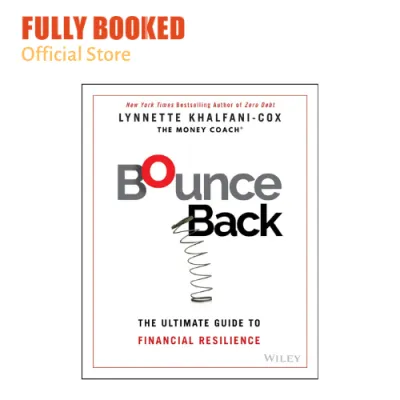
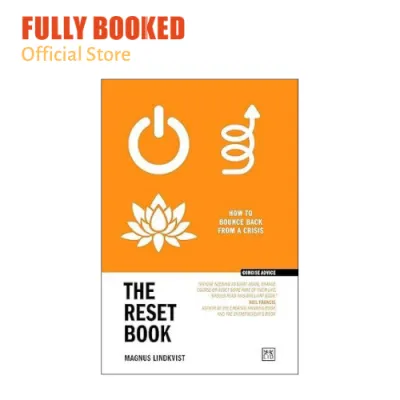
Prices are valid at publication and may change. Please refer to the product page for the latest price.
Finally, evaluate the author’s approach to financial recovery. Some authors advocate for strict, mathematically driven debt payoff frameworks that require intense discipline and lifestyle sacrifices. Others focus heavily on behavioral psychology, helping you understand the emotional triggers behind your spending habits before asking you to cut back. Decide whether you need a rigid, step-by-step manual that tells you exactly what to do, or a compassionate guide that addresses the emotional trauma of financial loss and helps you rebuild your confidence.
Core Categories of Books for Financial Resilience
When browsing the personal finance section, it is helpful to distinguish between books that focus on immediate crisis management and those aimed at long-term wealth building. If you are currently facing collection calls, struggling to pay rent, or dealing with a sudden loss of income, your priority is crisis management. You need books that teach you how to prioritize expenses, negotiate with creditors, and establish a bare-bones budget. Once you have stabilized your situation and built a small financial cushion, you can transition to books that cover long-term wealth building, compound interest, and diverse investment portfolios.

You should also identify the primary learning format that works best for your study habits. Some readers thrive on narrative-driven books that use real-life case studies and storytelling to illustrate financial principles, making the concepts easier to digest and remember. Others prefer highly structured workbooks filled with fill-in-the-blank templates, checklists, and exercises that force them to calculate their numbers immediately. If you struggle with accountability, a workbook-style guide can provide the hands-on structure you need to take action.
Books for Debt Elimination and Budgeting
For those focused on clearing debt, look for books that explain debt payoff methodologies clearly, specifically comparing the debt snowball and debt avalanche methods. The debt snowball method focuses on paying off the smallest balances first to build psychological momentum through quick wins, which can be incredibly motivating when you feel overwhelmed. Conversely, the debt avalanche targets the highest-interest debt first to save money mathematically over time. A good recovery book will help you weigh the psychological benefits of the snowball method against the financial efficiency of the avalanche method, allowing you to choose the strategy that fits your personality.
Actionable templates and trackers are crucial features to look for in budgeting books. When evaluating a book in this category, check if it offers downloadable worksheets, budgeting templates, or step-by-step guides on how to negotiate with creditors. Having a physical or digital tracker to visualize your progress can significantly increase your chances of staying committed to your debt-free journey. These tools help demystify the budgeting process, turning abstract financial advice into concrete, daily actions that you can easily monitor.
Books for Money Psychology and Behavioral Change
Financial recovery is rarely just about the math; it is deeply tied to your emotions and behavioral patterns. Books in this category tackle the root causes of financial setbacks, such as emotional spending, lifestyle inflation, and financial trauma from growing up in a low-income household. Understanding why you make certain financial decisions is essential for preventing future relapses. By exploring your “money story,” you can identify the subconscious beliefs that drive you to overspend or avoid looking at your bank statements.
Ensure the book offers practical behavioral interventions rather than vague, motivational platitudes. Look for authors who provide concrete exercises, such as tracking your emotional triggers before making a purchase, implementing a “cooling-off” period for non-essential spending, or rewriting your personal money script to foster a healthier relationship with wealth. These practical steps help bridge the gap between understanding your behavior and actually changing it, ensuring that your financial recovery is sustainable over the long term.
What to Verify Before Buying or Borrowing a Finance Book
Before committing your time and money to a personal finance book, check the publication date and edition. The global economic landscape changes rapidly, and financial advice that worked during a period of low interest rates may not be as effective during times of high inflation. Verifying the publication date ensures that the author’s assumptions about market returns, interest rates, and economic stability are still relevant to your current situation. An outdated book might recommend investment strategies that are no longer viable or fail to account for modern digital banking tools.
You must also verify the applicability of specific financial instruments mentioned in the text. If a book heavily references accounts like the 401(k), Roth IRA, or specific index funds, you need to translate these concepts into local equivalents available in the Philippines. For instance, you should look for how the principles apply to the Personal Equity and Retirement Account (PERA), the Pag-IBIG MP2 savings program, or local Social Security System (SSS) voluntary contributions. Understanding these local equivalents prevents confusion and allows you to take immediate action within your own financial system.
Finally, review reader feedback specifically regarding the feasibility of the actionable steps for beginners. Before investing your time and money into a book, look at reviews from readers who started in a similar financial position. Pay attention to whether they found the actionable steps realistic and easy to implement, or if the book felt too theoretical and geared toward individuals who already have a high income. This step helps you avoid books that offer advice that is out of reach for someone trying to rebuild from scratch.
How to Apply Book Strategies to Your Recovery Plan
Avoid the temptation to implement every single strategy at once. When you are eager to bounce back, it is easy to try budgeting, investing, and side-hustling all in the same week, which often leads to burnout and frustration. Choose one core concept—such as tracking your expenses for thirty days—and master it before moving on to more complex strategies. Taking a slow, methodical approach ensures that you build sustainable habits that will last a lifetime.
Adapt foreign financial advice to local realities. For example, Western authors often recommend saving a flat three to six months of living expenses for an emergency fund. In the Philippines, where safety nets are different and unexpected expenses like tropical storm damage or family medical emergencies are common, you may need to adjust your target to a larger amount, calculated in ₱, to feel truly secure. Consider the unique risks of your local environment and adjust your financial targets accordingly.
Track your progress and remain flexible. Your financial recovery plan is not set in stone; it should evolve as your income grows and your stability improves. Regularly review your budget, celebrate small milestones like paying off a single credit card, and adjust your strategies to align with your changing long-term goals. By remaining flexible and open to adjustment, you can ensure that your financial plan continues to serve you as you progress on your journey.
Frequently Asked Questions (FAQ)
Are foreign finance books useful for readers in the Philippines?
Yes, because the core principles of personal finance—such as spending less than you earn, avoiding high-interest consumer debt, and understanding the psychology of money—are universal. However, you must separate these foundational concepts from localized advice regarding tax structures, retirement accounts, and specific investment platforms, which do not directly translate to the Philippine market. Focus on the behavioral and strategic advice, and consult local resources for specific investment vehicles.
Should I buy physical copies or digital versions of these books?
The choice depends on your learning style and budget. Physical books are excellent for active studying, allowing you to highlight key passages, write notes in the margins, and easily flip back to reference worksheets. Digital versions or audiobooks are often more affordable, highly portable, and convenient for listening during your daily commute, making it easier to integrate financial education into a busy schedule. Consider your personal preferences and choose the format that will keep you most engaged.

Community discussion
Share your experience or ask a question. Comments are reviewed before publication.