
Starting a Catholic spiritual reading journey can feel overwhelming given the thousands of years of theological writing, saintly biographies, and devotional guides available. For a beginner, the key is to start with accessible, foundational texts that build both your understanding of the faith and your personal relationship with God. By selecting books that match your current spiritual maturity and reading habits, you can establish a consistent routine that nourishes your soul without causing intellectual or spiritual burnout.
In the Philippines, where daily life is often fast-paced and filled with family and work commitments, finding time for quiet reflection is both a challenge and a necessity. Spiritual reading serves as a portable retreat, allowing you to pause and refocus your mind whether you are enduring a long commute, resting on a humid afternoon, or winding down at the end of a busy day. Utilizing local resources like the Ablaze shop or other trusted Catholic distributors makes finding these materials highly convenient, helping you build a personal library tailored to your spiritual goals.
How to Choose the Right Catholic Books for Your Spiritual Level
Selecting the right book begins with an honest assessment of where you are on your faith journey. If you are new to the Catholic faith or returning after many years, jumping directly into complex mystical treatises or dense academic theology can lead to frustration. It is far more beneficial to choose books that match your current reading comprehension and address your immediate spiritual questions, allowing your library to grow naturally as your faith deepens.
Products mentioned in this guide
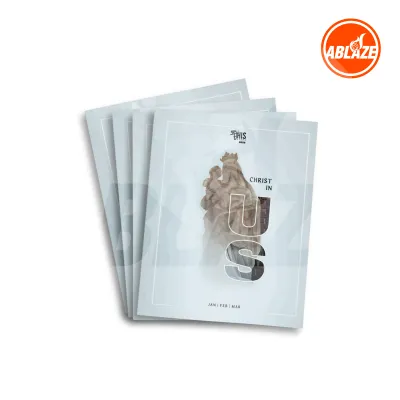
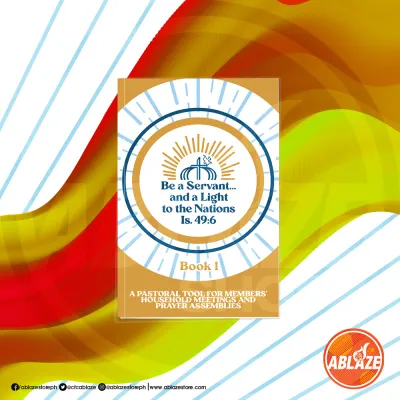
Prices are valid at publication and may change. Please refer to the product page for the latest price.
To guide your selection, it helps to understand the practical differences between the three main categories of Catholic literature: theological study, apologetics, and devotional reading. Theological study focuses on the systematic exploration of Church doctrines, scripture, and historical teachings to build intellectual understanding. Apologetics equips you to explain and defend Catholic beliefs against common misconceptions, making it ideal for those seeking logical clarity. Devotional reading, on the other hand, is designed to inspire personal prayer, foster virtue, and deepen your emotional and spiritual intimacy with God.
When purchasing Catholic books, ensuring doctrinal reliability is essential for proper faith formation. You can verify this by checking the copyright page for official ecclesiastical approvals, specifically the Nihil Obstat and the Imprimatur. The Nihil Obstat, which translates to “nothing stands in the way,” is a declaration by an official church censor that the book contains no damaging doctrinal or moral errors. The Imprimatur, meaning “let it be printed,” is the official authorization granted by a bishop, confirming that the book is safe for Catholic readers to study.
In addition to these formal approvals, take time to evaluate the author’s credentials and the reputation of the publisher. Authors who are recognized Catholic theologians, clergy, or canonized saints offer a reliable foundation for your reading. Trusted publishers and local distributors, such as the Ablaze shop, curate their selections to ensure they align with orthodox Catholic teachings, saving you the effort of filtering out misleading or unauthorized interpretations.
Foundational Reads to Understand Core Catholic Beliefs
To build a strong spiritual life, you must first understand the core truths of the Catholic faith. Foundational books that explain the Catechism in an accessible, non-academic manner are excellent starting points for any beginner. These texts break down complex dogmas into clear, digestible explanations, helping you understand not just what Catholics believe, but why those beliefs matter for your daily life.

One highly recommended companion for beginners is the YouCat, or the Youth Catechism of the Catholic Church. Developed with contemporary readers in mind, it presents the entire Catholic faith in a highly engaging question-and-answer format, supplemented by brief commentary, definitions, and illustrations. Another excellent option is the Compendium of the Catechism of the Catholic Church, which offers a more concise, dialogic summary of the universal Catechism, making it a reliable reference guide for quick study.
When selecting these foundational texts, always check the publication dates and edition numbers to ensure you are reading the most current versions. The Catholic Church occasionally updates translations or issues minor revisions to specific sections of the Catechism to ensure absolute clarity. Verifying that your chosen book reflects these recent updates prevents confusion and ensures your study aligns perfectly with current Church teachings.
Your choice of foundational reading should also align with your personal learning style. If you prefer structured, direct answers to specific questions, a Q&A format like the YouCat is highly effective. If you learn better through narrative explanations and conversational prose, look for introductory books that explain Catholic theology through a continuous, storytelling approach, which can make abstract concepts feel more relatable and easier to digest.
Essential Books for Building a Daily Prayer Life
A healthy spiritual life relies on a consistent, daily habit of prayer, and spiritual reading is one of the most effective ways to cultivate this discipline. For beginners, books on prayer serve as practical guides, teaching you how to quiet your mind, listen to God, and move beyond rote recitation into deep, personal conversation. Incorporating classic spiritual works and modern prayer guides into your routine can transform your daily quiet time.
A timeless classic that every beginner should consider is Introduction to the Devout Life by St. Francis de Sales. Written specifically for laypeople living busy lives in the world rather than monks in monasteries, this book offers incredibly practical advice on how to pray, practice virtue, and maintain inner peace amidst daily distractions. Another beautiful starting point is Story of a Soul, the autobiography of St. Thérèse of Lisieux, which introduces her famous “Little Way” of seeking holiness through small, everyday acts of love and trust.
As you build your prayer routine, it is helpful to distinguish between structured prayer manuals and reflective, unstructured meditation guides. Structured manuals, such as the Liturgy of the Hours or daily devotional booklets, provide a set framework of psalms, scripture readings, and formal prayers tied to the liturgical calendar. Unstructured guides, conversely, focus on teaching methods of mental prayer, such as Lectio Divina (prayerful reading of scripture) or imaginative contemplation, allowing for more spontaneous, personal reflection.
When purchasing older spiritual classics, pay close attention to the translation and edition. Older translations may use archaic English that can make reading feel tedious or difficult to comprehend. Look for modern translations or annotated study editions that preserve the original spiritual depth while updating the language for contemporary readers, ensuring you can fully absorb the author’s wisdom without getting lost in outdated phrasing.
Practical Guides for Living Out Your Faith Daily
True Catholic spirituality is not confined to the walls of a church or the quiet of a prayer corner; it must be lived out in your daily work, relationships, and responsibilities. Practical guides written for laypeople help bridge the gap between theological concepts and real-world actions. These books focus on virtue-building, helping you cultivate patience, humility, and charity in the midst of modern life’s challenges.
An excellent classic for practical daily living is The Imitation of Christ by Thomas à Kempis, which has guided millions of readers in focusing their hearts on Christ and resisting worldly distractions. For a more modern perspective, look for books that focus on lay spirituality, which offer actionable routines for sanctifying your daily work, managing family life, and maintaining a Christian perspective in a secular environment. These guides emphasize that holiness is achievable for everyone, regardless of their profession or state of life.
When choosing books in this category, prioritize those that offer concrete, actionable habits rather than purely abstract or theoretical concepts. Look for texts that provide practical exercises, such as a daily examination of conscience, morning offerings, or strategies for overcoming specific faults. These practical tools turn your reading into an active spiritual workout, helping you make steady progress in your character and faith.
Reading the biographies of modern saints and exemplary laypeople is another powerful way to find practical inspiration. Learning about individuals like Blessed Carlo Acutis, a modern teenager who utilized his computer skills for the Church, or St. Gianna Beretta Molla, a pediatrician and mother, shows that holiness is highly achievable in our contemporary world. Their stories provide relatable examples of how to navigate modern challenges while remaining deeply committed to Christ.
Buying Guide: Finding the Right Editions at Ablaze Shop and Beyond
Once you have identified the books that match your spiritual needs, the next step is finding the right editions and formats. In the Philippines, readers can source these materials from specialized Catholic retailers like the Ablaze shop, as well as other local and online bookstores. Taking the time to verify product details before purchasing ensures you receive a book that fits your reading preferences and lifestyle.
Start by carefully reading the product descriptions to check for specific features that enhance usability. For instance, if you enjoy taking notes while reading, look for study editions with wide margins or integrated journaling sections. If you plan to read during evening hours or have visual sensitivities, check for large-print editions. Additionally, verify the translation used in the book, as some readers prefer formal, traditional language while others find contemporary translations much easier to understand.
You should also decide between physical books and digital formats based on your reading habits and environment. Physical books are highly durable, easy to highlight, and provide a tactile experience free from digital distractions, though they require care to protect them from tropical humidity. Digital formats, such as e-books, are highly portable and convenient for reading on mobile devices during commutes, but you must verify format compatibility with your specific e-reader or tablet before completing your purchase.
Finally, when shopping online through platforms or dedicated stores like the Ablaze shop, pay close attention to stock availability, shipping timelines, and return policies. Because popular spiritual titles can sell out quickly, checking whether an item is “on hand” or “for pre-order” helps manage delivery expectations. Be sure to review shipping fees, especially if you reside outside major metropolitan areas, and familiarize yourself with the store’s return conditions in case a book arrives damaged or with printing defects.
Frequently Asked Questions (FAQ)
Do I need to read these spiritual books in a specific order?
No, there is no strict or mandatory order for reading Catholic spiritual books, as your selection should always depend on your immediate spiritual needs and life circumstances. However, it is generally practical to establish a basic understanding of core Catholic beliefs through foundational catechism guides before moving on to advanced theological studies or complex mystical writings. Daily devotionals, prayer guides, and saint biographies can be read at any stage of your journey to provide ongoing encouragement and practical inspiration.
Are audiobooks acceptable for daily spiritual reading?
Yes, audiobooks are an excellent and highly acceptable format for spiritual reading, particularly for busy individuals who want to utilize their commuting, exercising, or chore time for faith formation. Listening to spiritual classics or modern guides can keep your mind focused on God throughout a hectic day. However, for deep study, theological reflection, or meditative prayer, physical books or e-books are often superior because they allow you to easily pause, highlight key passages, and sit in silent contemplation without losing your place.
How much time should a beginner dedicate to spiritual reading daily?
For beginners, consistency is far more important than the total volume of pages read, so starting with just 10 to 15 minutes of dedicated spiritual reading each day is highly recommended. This manageable timeframe prevents burnout and makes it easier to establish a permanent daily habit. Instead of rushing through chapters, focus on reading slowly and reflectively, allowing yourself to pause whenever a particular passage strikes your heart, turning your reading time into a natural transition to personal prayer.

Community discussion
Share your experience or ask a question. Comments are reviewed before publication.