
Embarking on a journey to read the entire Sacred Scripture in 12 months is a deeply rewarding spiritual milestone. To succeed, you need a structured Catholic Bible reading plan that accounts for the full 73-book canon. Choosing the right plan involves matching your daily schedule, reading style, and preferred format with a guide that keeps you consistent and engaged from Genesis to Revelation.
A well-structured plan does more than just divide pages by 365 days. It provides a roadmap through salvation history, helping you connect the Old Testament covenants with their fulfillment in the New Testament. By understanding the different formats, structures, and translations available, you can select a daily guide that transforms a challenging goal into a life-changing daily habit.
Understanding Catholic Bible Reading Plans
To choose an effective plan, you must first understand how Catholic Bible reading plans are uniquely structured. The most critical distinction lies in the canon itself. While standard Protestant plans cover 66 books, a Catholic plan includes all 73 books of the biblical canon. This means your daily guide must account for the Deuterocanonical books—such as Tobit, Judith, Wisdom, Sirach, Baruch, and 1 and 2 Maccabees—which are fully integrated into the Old Testament.
Products mentioned in this guide
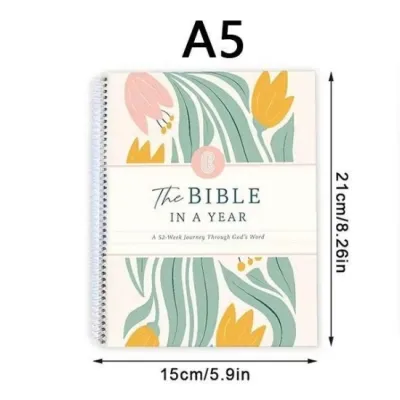

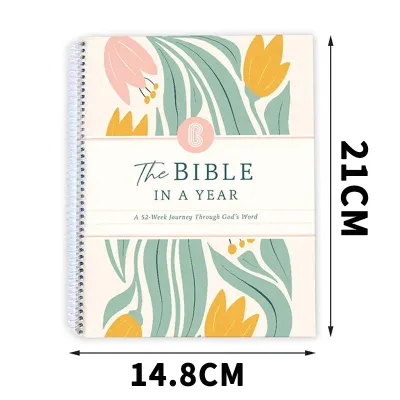
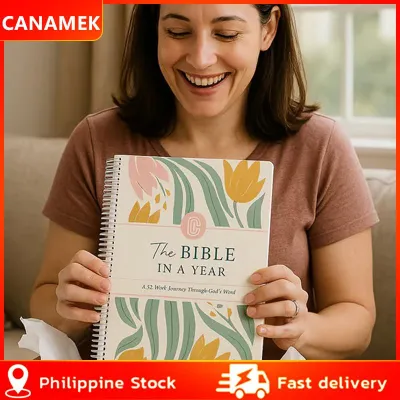

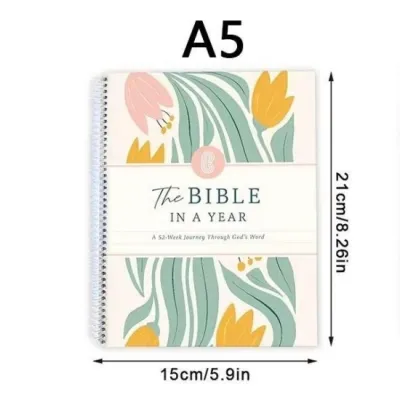
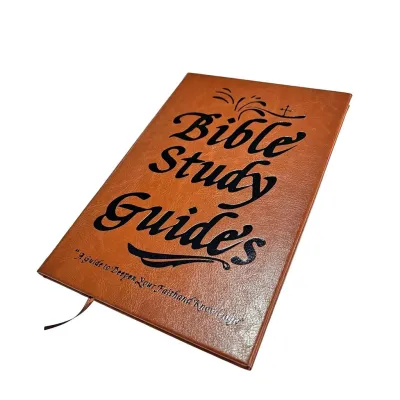
Prices are valid at publication and may change. Please refer to the product page for the latest price.
Using a non-Catholic plan often results in missing these essential books entirely or having to squeeze them in manually at the end of the year. A dedicated Catholic plan ensures these books are read in their proper historical and theological context. This integration is vital for understanding the continuity of scripture, especially when New Testament writers reference events and teachings found in the Deuterocanonical texts.
Another key aspect of Catholic plans is how they interact with the calendar. Some plans are strictly chronological or sequential, starting on January 1st and ending on December 31st. Others are designed to align with the liturgical calendar of the Church, beginning on the First Sunday of Advent. Liturgical plans allow you to read passages that mirror the seasons of preparation, celebration, and Ordinary Time celebrated in the parish community.
Furthermore, these plans vary in how they distribute the daily readings. A balanced plan typically offers a daily selection from the Old Testament, a passage from the New Testament, and a selection from the Wisdom literature, such as the Psalms or Proverbs. This variety prevents reading fatigue, ensuring that even when you are working through dense historical or legal codes in the Old Testament, you are still nourished daily by the Gospels and the beauty of the Psalms.
Key Features to Evaluate Before Buying
Before purchasing a physical reading guide, journal, or digital subscription, you must evaluate several key features against your personal habits. The first is the daily time commitment. Reading plans can range from quick 15-minute daily sessions to comprehensive 45-minute study periods. Be realistic about your schedule; a plan that requires an hour of deep study every day might be difficult to sustain during busy work weeks or family obligations.

Consider whether you prefer a simple checklist or a guide that includes daily commentary and historical context. Reading ancient texts can sometimes feel confusing without background information on the culture, geography, and historical setting of the passage. Plans that feature brief daily reflections or explanatory footnotes can significantly enhance your comprehension and keep you motivated when encountering difficult passages.
Flexibility is another crucial feature to look for in a year-long plan. Some guides offer undated pages, allowing you to start at any point in the year without feeling behind if you miss a day. Other plans build in weekly buffer days or designated catch-up days, typically on Sundays. These built-in pauses are incredibly helpful for busy individuals, giving you a chance to reflect on the week’s readings or catch up on missed chapters without falling into a cycle of discouragement.
Finally, look at the physical layout and design of the resource. If you choose a physical journal, ensure there is adequate space for writing down your personal reflections, prayers, or questions. A clean, uncluttered layout with clear typography makes daily reading a peaceful, meditative experience rather than a chore.
Common Structures and Popular Plan Types
Catholic reading plans generally fall into a few distinct structural categories, each catering to different learning styles. The chronological or narrative timeline approach is highly popular. Instead of reading the Bible from cover to cover in the order the books are printed, these plans rearrange the texts to follow the actual historical sequence of events. This structure helps you grasp the grand narrative of salvation history, showing how God’s covenants unfolded over centuries.
Thematic plans, on the other hand, group readings by theological topics or liturgical seasons. For instance, during Lent, the plan might focus heavily on repentance, sacrifice, and the suffering servant prophecies of Isaiah, transitioning to the resurrection narratives during Easter. This approach deepens your connection to the Church’s active worship life, making your personal reading feel like an extension of the Sunday liturgy.
Blended daily structures offer a third alternative, mixing different genres of scripture every day. On any given day, you might read a chapter of historical narrative from Kings, a chapter of a Gospel, and a few verses of a Psalm. This structure is highly effective at preventing the reading fatigue that often occurs when trying to read through long, repetitive sections of the Old Testament sequentially.
When researching these structures, you will encounter well-known narrative frameworks and timeline programs designed by Catholic educators. While these programs are excellent resources, it is important to verify the current editions and content alignment before purchasing. Ensure that any companion guide or workbook you buy matches the specific translation of the Bible you intend to use, as mismatched chapter numbering or terminology can cause unnecessary confusion.
Physical Books vs. Digital and Audio Formats
Choosing the right medium for your reading plan is just as important as the structure itself. Physical books and journals offer a tactile experience that many readers find essential for deep study. Writing down reflections by hand, highlighting key verses, and physically turning the pages can improve retention and create a beautiful keepsake of your spiritual journey.
However, physical books require careful maintenance, especially in tropical climates. In the Philippines, high humidity and seasonal rains can cause paper pages to warp, yellow, or develop mold over time. If you opt for a physical journal or reading guide, store it in a dry, well-ventilated area, away from direct sunlight and damp walls. Using silica gel packets in your storage drawer or bookshelf can also help protect your books from moisture damage.
Digital apps and e-books offer unmatched portability and convenience. With a digital plan on your smartphone or tablet, you can easily read during your daily commute, while waiting in line, or during a lunch break. Many digital platforms feature automated progress tracking, interactive checklists, and built-in search functions that make cross-referencing passages incredibly simple. They also eliminate the risk of physical wear and tear from humidity.
Audio formats and podcasts have also become incredibly popular for year-long Bible plans. Listening to the daily readings is an excellent option for those with busy lifestyles, long commutes in heavy traffic, or visual impairments. You can listen while driving, doing household chores, or exercising. Many readers find that combining formats—such as listening to the audio while following along in a physical Bible—greatly enhances their focus and understanding.
Before committing to a specific format or bundle, take the time to check current retail prices in ₱ at local Catholic bookstores or trusted online marketplaces. Some digital apps require ongoing monthly subscriptions, while physical journals are a one-time purchase. Compare these costs against your budget and choose the medium that best fits your lifestyle and financial preferences.
How to Verify Editions and Translations
When selecting a Catholic Bible reading plan, verifying the edition and translation is a critical step. Because the Catholic Church holds high standards for scriptural accuracy and doctrinal integrity, you should look for books and resources that carry the Imprimatur and Nihil Obstat. The Nihil Obstat is an official declaration by a church censor that the work contains nothing contrary to faith or morals, while the Imprimatur is the bishop’s formal approval for publication.
These designations are typically found on the copyright page of the book or in the introductory pages of the digital resource. Checking for these approvals ensures that the commentary, reflections, and study notes accompanying your reading plan are doctrinally sound and aligned with Catholic teaching.
You must also identify the specific English translation used by the plan. Common approved Catholic translations include the New American Bible Revised Edition (NABRE), the Revised Standard Version Catholic Edition (RSV-CE), and the New Revised Standard Version Catholic Edition (NRSV-CE). Each translation has a distinct reading style; for example, the NABRE is highly pastoral and is the basis for the liturgical readings in many English-speaking dioceses, while the RSV-CE is known for its formal equivalence and literal accuracy, making it a favorite for academic study.
Finally, always verify the table of contents of any guide you plan to purchase. Ensure that the plan explicitly lists and schedules the Deuterocanonical books. A genuine Catholic reading plan will never relegate books like Tobit, Judith, or Maccabees to an optional appendix or omit them entirely. Confirming these details beforehand guarantees that your year-long journey covers the complete, unaltered Catholic canon.
Frequently Asked Questions (FAQ)
When is the best time to start a Bible in a year plan?
While many people choose to start their reading plan on January 1st to align with the civil new year, you can begin at any time. Another popular starting point is the First Sunday of Advent, which marks the beginning of the Catholic liturgical year. If you prefer not to wait, undated reading plans and digital guides allow you to start on any day of the year, adjusting the schedule to fit your personal timeline without losing momentum.
What should I do if I fall behind on my daily readings?
Falling behind is a common experience during a year-long reading commitment, and it should not discourage you. If you miss a few days, you can utilize built-in catch-up days or weekend buffers to get back on track. Alternatively, you can choose to simply resume reading the current day’s assignment to stay aligned with a group, or read double portions over a few days if maintaining strict chronological order is important to you.
Do I need a specific Catholic study Bible to use these plans?
You do not necessarily need a specialized study Bible, but your Bible must contain the complete 73-book Catholic canon. Many reading plans are published as standalone journals or guides that provide only the scripture references and commentary, meaning you will need to read the actual text from your own Bible. To avoid confusion, ensure that the translation of your physical or digital Bible matches the translation referenced in your reading plan’s commentary.
Community discussion
Share your experience or ask a question. Comments are reviewed before publication.