
Choosing your first ukulele involves navigating a sea of technical specifications, especially when looking at modern composite instruments like the Enya Nova Go SP1. For a beginner, terms like “carbon fiber composite,” “nut width,” and “built-in effects” can feel overwhelming. Understanding what these specifications actually mean for your daily practice, comfort, and budget is the key to making a smart investment.
The Enya Nova Go SP1 is designed to address common beginner pain points, such as tuning instability and weather sensitivity, by utilizing modern materials and integrated technology. By decoding these specifications, you can determine if this specific model aligns with your physical comfort, learning goals, and local environmental conditions.
Understanding the Body Material and Durability
Traditional ukuleles are made of wood, ranging from affordable laminated wood to premium solid tonewoods. While solid wood offers a rich tone, it is highly sensitive to temperature and humidity fluctuations. In tropical climates like the Philippines, high humidity can cause wood to swell, warp, or crack, requiring careful storage. High-pressure laminate (HPL) and carbon fiber composites offer a highly durable alternative. Carbon fiber composites, in particular, are virtually impervious to weather changes, making them excellent for travel or humid environments.
Products mentioned in this guide
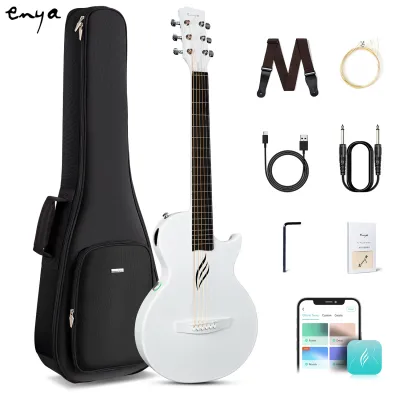
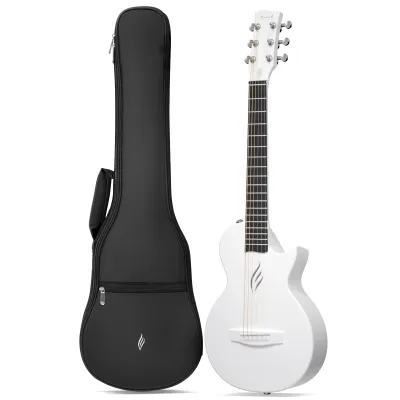
Prices are valid at publication and may change. Please refer to the product page for the latest price.
Material choice also dictates the instrument’s initial sound profile. Wood ukuleles typically have a warm tone that matures over years of playing. Carbon fiber composite instruments generally deliver a bright, clear, and highly projected sound right out of the box, with no break-in period required. This immediate volume and clarity can be highly encouraging for beginners who are still developing their strumming technique.
Because different product runs of the SP1 may feature variations in material composition, you should always check the manufacturer’s official spec sheet or the product label. Confirming whether the top, back, and sides are fully composite or feature HPL elements will help you understand exactly how to care for your instrument.
Choosing the Right Scale Length and Body Size
Ukuleles come in three primary standard sizes: Soprano, Concert, and Tenor. The scale length—the distance between the nut and the saddle—increases with each size, directly affecting fret spacing. A Soprano ukulele has tight fret spacing that can feel cramped for adult fingers, while a Tenor offers the widest spacing. A Concert size sits comfortably in the middle, providing a balanced compromise that accommodates most hand sizes while remaining highly portable.

Beyond fret spacing, the physical depth and width of the body influence how the instrument rests against your torso. A deeper body typically produces a fuller sound but can feel bulky, especially for younger players or those practicing while standing. A thinner, contoured body profile is easier to hold securely under your arm, reducing physical fatigue during long practice sessions.
When evaluating the SP1, verify its exact physical dimensions against your own body build. If you have larger hands or longer arms, ensuring the scale length and body depth match your physical frame will prevent you from hunching over the instrument or struggling to crowd your fingers into tight chord shapes.
Evaluating Neck Profile, Nut Width, and Action
The neck profile and nut width are critical factors in how comfortable an instrument feels in your hand. The nut width determines the spacing between individual strings; a wider nut gives your fingers more room to press down on strings without accidentally muting adjacent ones. This extra clearance is incredibly helpful for beginners who are still training their muscle memory for complex chord shapes.
The shape and thickness of the neck profile also play a major role in hand comfort. A neck that is too thick can strain your thumb and palm, leading to cramping during extended practice. Modern instruments often feature a slim, ergonomic neck profile designed to reduce tension, allowing beginners to practice longer and build finger strength gradually without unnecessary discomfort.
Action refers to the height of the strings above the fretboard. If the factory-set action is too high, you will have to press down excessively hard to get a clean note, resulting in sore fingers and sharp intonation. Beginners should inspect the action out of the box and consider having a local guitar tech adjust the nut and saddle if the strings feel stiff or difficult to press.
Assessing Hardware: Tuners, Bridge, and Strings
Hardware components are the unsung heroes of tuning stability and ease of use. Tuning machines generally come in two styles: open-gear and sealed geared tuners. Open-gear tuners are lightweight and traditional, but their exposed gears can accumulate dust and moisture over time. Sealed geared tuners protect the internal gears from environmental debris and humidity, ensuring smoother tuning adjustments and better pitch retention over long playing sessions.
The bridge and saddle are responsible for transferring string vibrations into the body of the ukulele. High-quality saddle materials ensure that this energy transfer is efficient, resulting in better sustain and clearer intonation across all frets. If the saddle is poorly cut or made of soft plastic, the instrument may sound dull or struggle to stay in tune as you play higher up the neck.
Most ukuleles ship with factory-installed strings designed to withstand long periods of storage in warehouses and retail shelves. While these strings are durable, they may not offer the warmest tone or the softest feel under your fingertips. Upgrading to premium fluorocarbon or nylon strings after a few weeks of practice can dramatically improve both the playability and the acoustic warmth of your instrument.
Deciding on Electronics and Built-in Extras
Some configurations of the SP1 come equipped with built-in electronics, such as preamps, equalizers, or onboard effects that allow you to add reverb or delay directly from the soundhole without plugging into an external amplifier. While these features are exciting and offer great creative versatility, beginners should evaluate whether they align with their immediate learning goals.
Onboard electronics add weight to the instrument, require regular battery replacements or charging, and typically increase the retail price in ₱. If your primary goal is to practice quietly at home or play casually with friends, a purely acoustic model is often lighter, simpler to maintain, and highly cost-effective. You avoid paying for advanced electronic features that you may not use during your first year of learning.
How to Verify Official Specifications Before Purchase
To ensure you receive the exact model variant you want, always verify the specifications through official channels. The brand’s official website or authorized local distributors in the Philippines provide the most reliable and up-to-date spec sheets, protecting you from outdated information or regional product variations.
Pay close attention to the listed package contents. Retail bundles can vary significantly depending on the seller, with some packages including a custom gig bag, strap, charging cable, and digital tuner, while others sell the instrument standalone. Confirming these details beforehand ensures you do not have to make unexpected secondary purchases to get started.
Avoid relying solely on descriptions found on aggregated e-commerce platforms. These listings are frequently copy-pasted across different sellers and can easily conflate different model years, colors, or acoustic versus acoustic-electric configurations. Double-checking the specific model number with the seller before finalizing your purchase is the best way to guarantee a smooth buying experience.
Frequently Asked Questions (FAQ)
Is this ukulele size generally suitable for children or players with small hands?
To determine if a specific ukulele size is suitable, measure the player’s arm span and hand stretch. A Concert-sized instrument is generally highly manageable for both older children and adults with smaller hands, as the fret spacing is comfortable without requiring excessive finger stretching. If you are unsure, visiting a local music store to hold a standard Concert ukulele can help you gauge the physical fit before buying.
Do I need to adjust the setup right out of the box?
A basic instrument setup involves checking the intonation, verifying the string height at the nut and saddle, and ensuring there are no sharp fret edges. While many modern composite instruments are designed to be playable straight out of the box, shipping conditions and temperature changes can occasionally affect the setup. If you notice fret buzz or find the strings exceptionally stiff to press down, taking the instrument to a qualified local technician for a quick inspection and adjustment will make your early learning experience much more enjoyable.

Community discussion
Share your experience or ask a question. Comments are reviewed before publication.