
Choosing between an electric keyboard and an electric piano (often called a digital piano) comes down to a fundamental decision: do you want to replicate the physical experience of playing a traditional acoustic piano, or do you need a versatile, portable tool for sound exploration and music production? While both instruments feature black and white keys, they serve entirely different musical paths. An electric piano is designed to mimic the heavy, expressive touch and rich tone of an acoustic grand piano, making it the ideal choice for classical training and serious piano students. In contrast, an electric keyboard focuses on portability, offering hundreds of varied instrument sounds, rhythm accompaniments, and digital connectivity options at a lighter weight and often a lower price point. By identifying your space constraints, budget, and long-term musical goals, you can confidently select the instrument that will support your learning journey without unnecessary frustration.
Understand the Core Differences in Feel and Sound
To make an informed choice, you must first understand how these two instruments differ in their physical construction, tactile response, and internal sound engines. The most critical distinction lies in the key action. Electric pianos utilize weighted hammer action mechanisms designed to simulate the physical resistance of wooden hammers striking strings. This weight forces your fingers to develop the strength and control required to play an acoustic piano. Electric keyboards, on the other hand, typically feature unweighted or semi-weighted synth-action keys. These keys rely on simple springs or rubber dome switches, offering very little resistance and springing back instantly, which is excellent for rapid synthesizer lines or organ glissandos but lacks the nuance needed for expressive piano playing.
The sound engines of these instruments also reflect their contrasting design philosophies. An electric piano prioritizes depth over variety, dedicating its processing power to high-resolution multi-layered samples of premium acoustic grand pianos. These samples capture subtle details like string resonance, damper noise, and the tonal changes that occur when you strike a key softly versus firmly. Conversely, an electric keyboard is a sonic Swiss Army knife. It provides a vast library of hundreds of sounds, including brass, woodwinds, synthesizers, drums, and sound effects, alongside auto-accompaniment styles that act as a virtual backing band.
Products mentioned in this guide
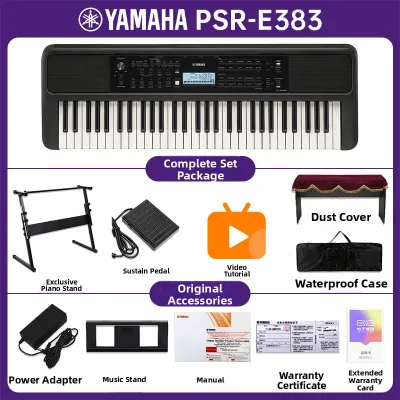
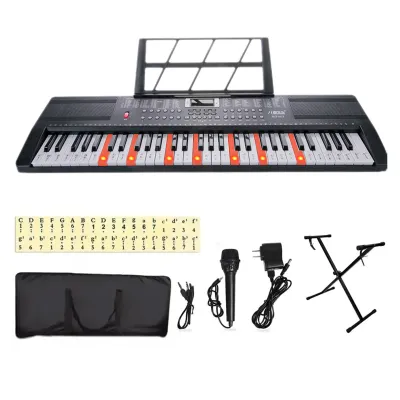
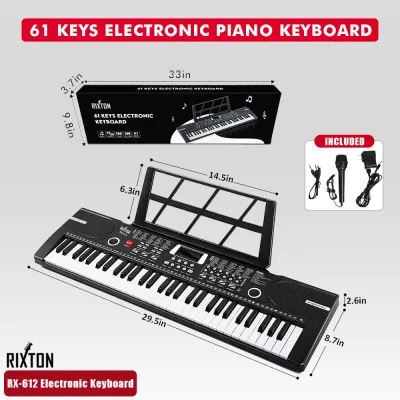
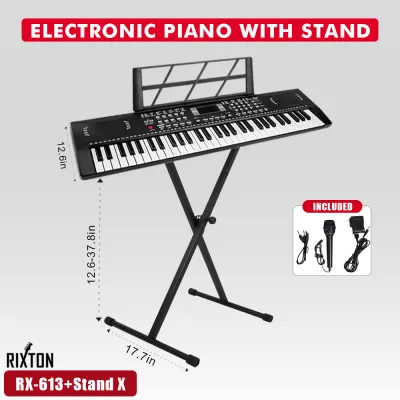
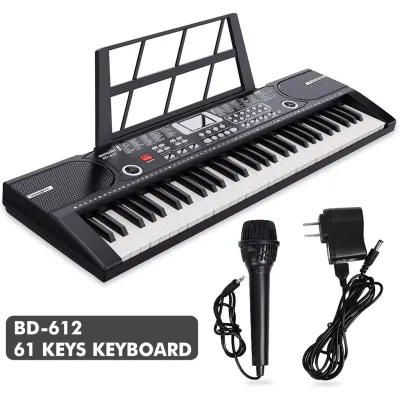
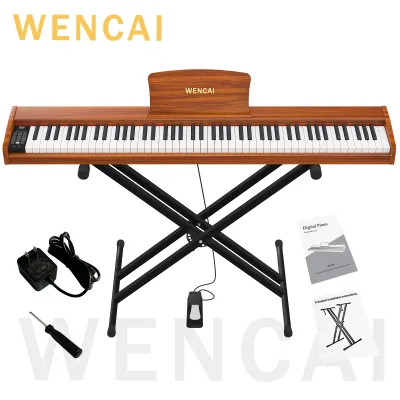
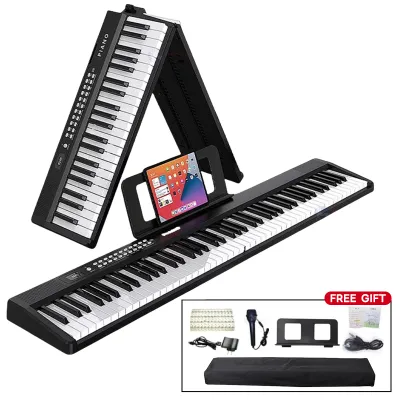
Prices are valid at publication and may change. Please refer to the product page for the latest price.
Finally, their physical footprints dictate where and how they can be used. Electric pianos are often housed in heavy, furniture-style wooden cabinets with integrated three-pedal units, making them stable centerpieces for a living room or dedicated music space. While portable slab-style digital pianos exist, they are still significantly heavier than electric keyboards due to their weighted key mechanisms. Electric keyboards are lightweight, highly portable, and designed to be easily packed into a gig bag, set up on a simple folding stand, or stored in a closet when not in use.
Self-Diagnosis: Match the Instrument to Your Musical Goals
Before browsing online listings or visiting a local music store, take a moment to analyze your specific musical aspirations and daily practice environment. Answering a few practical questions about what you want to play and where you will practice will immediately point you toward the correct category.

Choose an Electric Piano If You Need Authentic Technique
If your primary goal is to study classical piano, play traditional jazz, or prepare for formal music examinations, an electric piano is the only suitable choice. Developing proper finger technique, hand posture, and dynamic control requires the physical feedback of weighted keys. Without this resistance, you cannot practice soft or loud dynamics effectively, as unweighted keys do not translate the speed and force of your stroke in the same nuanced way.
Furthermore, standard piano repertoire quickly outgrows smaller instruments. An electric piano provides the full standard layout of 88 keys, ensuring you will not run out of notes when playing classical pieces or complex modern arrangements. Because these instruments are designed to stay in one place, they require a dedicated, stable spot in your home. In tropical climates like the Philippines, placing your electric piano in a well-ventilated room away from direct sunlight and high-humidity areas, such as open windows or damp walls, will protect its sensitive electronic sensors and internal key action from moisture damage over time.
Choose an Electric Keyboard If You Need Versatility
If you are drawn to modern music production, songwriting, playing in a live band, or exploring electronic music genres, an electric keyboard offers the flexibility you need. These instruments excel in collaborative environments where you need to quickly switch from an electric piano sound to a lush synthesizer pad, a brass section, or a drum kit. The built-in arranger features and auto-accompaniment rhythms allow a single player to sketch out full song arrangements on the fly, making them excellent tools for composers and hobbyists alike.
Portability is another major advantage of the electric keyboard. If you need to transport your instrument to band rehearsals, school events, or community gatherings, a lightweight keyboard can be easily carried under one arm and powered by batteries when an electrical outlet is unavailable. Additionally, most modern keyboards feature robust MIDI connectivity, allowing them to function as controller keyboards when plugged into a computer or tablet running digital audio workstation software, opening up endless sound design possibilities.
Navigating the Beginner and Child Learner Dilemma
Parents and adult beginners often hesitate to invest in an electric piano due to the higher initial cost, wondering if a budget-friendly 61-key electric keyboard is a safer starting point. While a smaller keyboard is a highly accessible way to test a learner’s initial interest, it can quickly become a bottleneck. Within six months to a year of regular lessons, a student will likely encounter pieces that require a wider key range and the expressive control of weighted keys, necessitating an upgrade.
To assess a learner’s commitment before making a major purchase, consider starting with a rental program or purchasing a high-quality, entry-level 88-key digital piano that holds its resale value well. If budget or space constraints make an electric keyboard the only viable option, look for a model with touch-sensitive keys. While touch sensitivity does not replicate the physical weight of a piano key, it does allow the volume to change based on how hard the key is pressed, providing a basic introduction to dynamic control before the inevitable transition to a fully weighted instrument.
Essential Specifications to Verify Before Purchasing
When comparing different models, you must look past marketing buzzwords and carefully verify the technical specifications on the product label or manufacturer’s spec sheet. First, check the key count. While 88 keys are standard for pianos, keyboards often come in 61-key or 76-key configurations. A 61-key instrument is sufficient for basic pop songs, lead lines, and music production, but you will need at least 76 keys for intermediate classical pieces, and a full 88 keys for advanced repertoire.
Second, pay close attention to the key action terminology. Look for terms like “graded hammer action” or “fully weighted” if you want an authentic piano feel; “graded” means the keys feel heavier in the lower register and lighter in the treble, just like an acoustic piano. Avoid “semi-weighted” or “synth-action” if your goal is piano training, as these do not provide realistic resistance. If possible, test the keys in-person to ensure they do not feel excessively clicky, loose, or noisy when played without volume.
Third, verify the polyphony limit, which is the maximum number of individual notes or voices the instrument can produce simultaneously. For basic keyboard playing, a polyphony of 64 notes is acceptable, but for piano playing with heavy sustain pedal usage or layered sounds (such as piano combined with strings), look for a minimum of 128-note polyphony to prevent notes from cutting off abruptly. Finally, check the connectivity options. Ensure the instrument has a dedicated sustain pedal jack, a headphone jack for silent practice, and a USB-to-Host port for MIDI connection to computers or mobile devices.
Budget, Accessories, and Long-Term Value
When planning your purchase, remember to budget for essential accessories that are rarely included with the instrument itself. A lightweight keyboard or portable digital piano will require a sturdy stand; avoid flimsy single-X stands that wobble during enthusiastic playing, and opt for double-braced X-stands or Z-stands instead. You will also need a comfortable, adjustable bench to maintain proper playing posture, a high-quality sustain pedal (preferably a metal, piano-style pedal rather than a cheap plastic foot switch), and a good pair of closed-back headphones for private practice. In the Philippines, these accessories can add anywhere from ₱2,000 to ₱8,000 or more to your total startup cost.
Evaluating the long-term value and upgrade path of your instrument is also crucial. High-quality 88-key electric pianos from reputable manufacturers tend to retain their resale value remarkably well on the secondhand market, making them easier to sell if you decide to upgrade or discontinue playing. If your budget is tight, waiting a few months to save for an entry-level weighted digital piano is often a wiser financial decision than buying a cheap, unweighted keyboard that you will outgrow in a matter of months. Alternatively, look for well-maintained used digital pianos, ensuring you test every single key and pedal connection before finalizing the purchase.
Frequently Asked Questions (FAQ)
Can I learn classical piano on a 61-key electric keyboard?
While you can learn basic music theory, note reading, and simple melodies on a 61-key electric keyboard, you cannot properly learn classical piano on one. Classical repertoire frequently utilizes a wider range of notes than a 61-key layout provides, meaning you will quickly run out of keys. More importantly, the lack of weighted key resistance prevents you from developing the finger strength, muscle memory, and delicate touch control required to play an acoustic piano, making an upgrade to an 88-key weighted instrument mandatory as you progress.
Do I need to buy an external amplifier or speakers?
For home practice, you generally do not need to buy external amplification, as most electric keyboards and electric pianos come equipped with built-in speakers and headphone jacks suitable for quiet rooms. However, if you plan to perform live with a band, play in large venues, or practice in noisy environments, the built-in speakers will not be loud enough. In these cases, you will need to connect the instrument’s auxiliary audio output jacks to a dedicated keyboard amplifier, a portable PA system, or the venue’s mixing console.

Community discussion
Share your experience or ask a question. Comments are reviewed before publication.