
Choosing the right drum stick bag is one of the most practical decisions a beginner drummer can make. When you first start learning the drums, it is easy to focus entirely on the instrument itself, but how you transport and protect your tools plays a significant role in your daily practice routine. A dedicated bag does more than just hold your sticks; it organizes your essential accessories, protects your gear from environmental damage, and makes traveling to lessons or jam sessions seamless. Depending on your commute, budget, and how much gear you need to carry, the ideal bag style will vary.
For most beginners, the choice comes down to three primary designs: standard stick pouches, roll-up stick bags, and backpack-style stick bags. Each style serves a distinct type of drummer, balancing storage capacity, portability, and physical protection in different ways. Understanding the unique advantages and limitations of each design allows you to select a bag that fits your current routine while accommodating your growth as a musician.
Why the Right Drum Stick Bag Matters for Beginners
For a beginner, drum sticks are the primary connection to the instrument. Wooden sticks, typically made of hickory, maple, or oak, are highly sensitive to environmental changes. In tropical climates where humidity levels fluctuate constantly, exposing raw or lightly finished wood to open air can cause the fibers to absorb moisture, leading to warping or premature splitting. A high-quality drum stick bag acts as a protective barrier, shielding your sticks from sudden humidity shifts and keeping the wood stable during transit.
Products mentioned in this guide
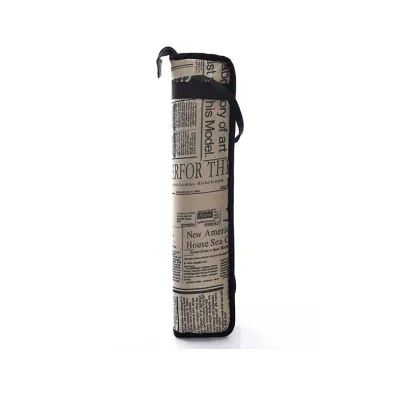
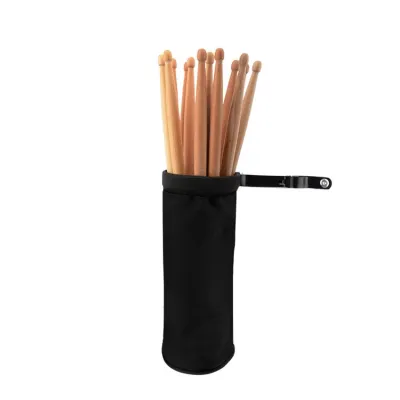
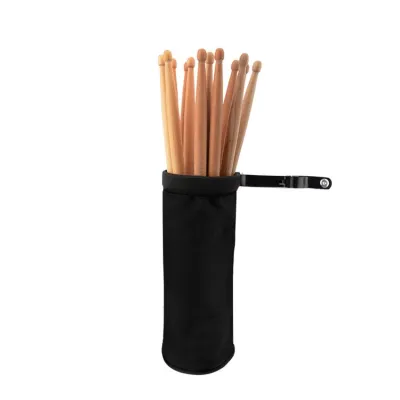
Prices are valid at publication and may change. Please refer to the product page for the latest price.
Beyond environmental protection, a stick bag prevents physical damage to the delicate tips of your sticks. Whether you use wood or nylon tips, dropping them loose into a general-purpose bag can cause them to chip or crack against other items. A chipped tip alters the rebound of the stick and can damage your drumheads or practice pads over time. Keeping your sticks secured in dedicated compartments ensures they remain in optimal playing condition.
Organization is another critical factor for new players. Drumming requires several small accessories that are easily misplaced, such as tuning keys, gel dampeners, metronomes, and ear protection. A good stick bag provides designated pockets for these items, ensuring you never arrive at a lesson or rehearsal space only to realize you cannot tune your snare drum or protect your hearing. By keeping everything in one place, you establish a professional routine from day one.
Finally, the right bag reduces physical strain during your commute. Carrying multiple pairs of sticks, sheet music, and practice gear can become heavy and awkward. An ergonomically designed bag distributes this weight comfortably, allowing you to travel to music schools, studios, or community centers without experiencing shoulder or back fatigue before you even sit down at the drum kit.
Standard Stick Pouches: The Classic and Compact Choice
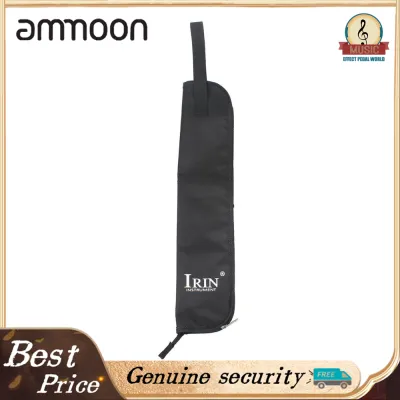
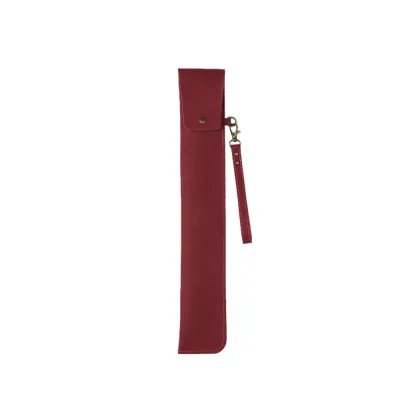
Standard stick pouches are the traditional, slim zippered sleeves that many drummers use throughout their careers. These pouches are designed with simplicity in mind, featuring a single main compartment or a simple internal divider to keep a few pairs of sticks organized. They are highly compact, making them the most portable option available for players who prefer to travel light.

One of the primary advantages of a standard stick pouch is its lightweight construction. Because they use minimal material and hardware, they add virtually no extra weight to your load. They are also highly budget-friendly, making them an excellent entry-level choice for beginners who want to protect their gear without making a significant financial investment. Furthermore, their slim profile allows them to slide easily into a school backpack or a laptop bag, eliminating the need to carry multiple separate bags during your daily commute.
However, standard pouches do have notable limitations. Their internal organization is minimal, meaning your sticks will likely rub against each other during transit, which can wear down the finish over time. They also lack padded shoulder straps, relying instead on simple wrist loops or small handles. Additionally, their capacity is strictly limited; if you begin incorporating bulkier items like soft mallets, wire brushes, or bundle sticks into your practice, a standard pouch will quickly run out of space.
This style is best suited for casual players and absolute beginners who only need to carry two or three pairs of standard sticks to their weekly lessons. If your practice routine involves walking short distances or traveling by private car, and you do not yet require a wide variety of specialized percussion beaters, a standard stick pouch offers all the utility you need in a highly efficient package.
Roll-Up Stick Bags: Maximum Capacity and Visibility
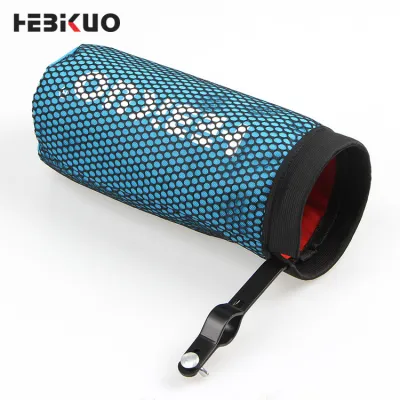
Roll-up stick bags are designed for drummers who need to carry a wider variety of sticks and want immediate access to them during a performance or practice session. These bags open flat, revealing multiple parallel pockets or elastic slots designed to hold individual pairs of sticks securely. Once filled, the bag rolls or folds over itself and secures with straps, buckles, or zippers.
The standout advantage of the roll-up design is its exceptional organization. Because each pair of sticks has its own dedicated slot, they are prevented from clashing against one another, reducing wear and tear. When you unroll the bag, you get a complete visual inventory of your gear instantly. This layout is incredibly useful during fast-paced rehearsals or lessons where you need to switch from standard sticks to brushes or hot rods between songs without rummaging through a dark pocket.
On the downside, roll-up bags can become bulky and heavy when fully loaded. Because the sticks are spread out horizontally before being rolled, the resulting bundle can be thick and awkward to carry by a single handle. Many roll-up designs also lack external pockets, meaning you may have to store your tuning keys and earplugs inside the main roll, which can cause pressure points against the wooden sticks when the bag is tightly closed.
This style is highly recommended for advancing students who are beginning to explore different musical genres that require specialized beaters. If you are learning jazz and need to carry brushes, or if you are participating in an ensemble that requires mallets alongside standard 5A sticks, a roll-up bag provides the organized capacity necessary to manage your expanding collection.
Backpack-Style Stick Bags: Comfort for Daily Commuters
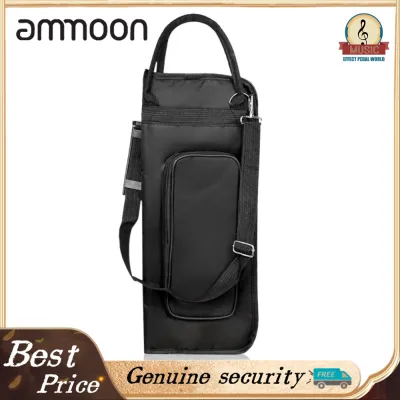
Backpack-style stick bags are a modern solution designed specifically for the active, commuting drummer. These bags combine the internal features of a dedicated stick holder with the ergonomic carrying system of a standard backpack. They feature adjustable, padded shoulder straps and multiple compartments designed to hold both drumming gear and daily personal essentials.
For drummers who travel long distances or rely on public transportation, the backpack style offers unmatched comfort. By distributing the weight of your gear evenly across both shoulders, these bags minimize localized muscle strain, which is crucial for maintaining relaxed posture and technique behind the drum kit. Additionally, the extensive storage space allows you to carry sheet music books, a 12-inch practice pad, a laptop, and a water bottle alongside your sticks, consolidating all your daily cargo into a single, hands-free bag.
Despite these benefits, backpack-style bags are generally bulkier and heavier than standard pouches or roll-up designs. They take up more physical space in tight rehearsal rooms or on public transit vehicles like buses and trains. They also represent a higher financial investment, as the complex construction, heavy-duty zippers, and padded harness systems make them more expensive than simpler alternatives.
This style is ideal for students and semi-professional drummers who commute daily. If you walk long distances, ride a bicycle or motorcycle, or navigate busy public transit systems to get to your music school or rehearsal studio, a backpack-style bag provides the physical protection, storage capacity, and ergonomic comfort required for a demanding daily routine.
Essential Features to Verify Before Purchasing
Before purchasing any drum stick bag, it is important to inspect the physical specifications and material quality to ensure the bag will withstand daily use. Do not rely solely on brand names; instead, look closely at the product descriptions, material labels, and construction details.
- Material Durability: Look for bags constructed from heavy-duty, high-denier synthetic fabrics such as 600D polyester or ballistic nylon. These materials offer excellent resistance to tears, abrasions, and water penetration, which is vital for protecting your wooden sticks from sudden tropical downpours. Check for reinforced stitching at high-stress areas, such as where the handles or shoulder straps attach to the main body of the bag.
- Pocket Configuration: Evaluate both the internal and external pockets. Ensure there is at least one secure, zippered pocket dedicated to small accessories like drum keys and earplugs so they do not fall out when the bag is opened. If you use a metronome or a tablet for sheet music, verify that the dimensions of the external compartments can comfortably accommodate these devices.
- Strap and Handle Construction: Inspect the quality of the carrying handles and shoulder straps. Padded straps should feature breathable mesh lining to prevent excessive sweating during warm commutes. Pay close attention to the hardware; metal D-rings and swivel clips are far more durable than thin plastic alternatives, which can easily snap under the weight of a fully loaded bag.
- Floor Tom Hooks: Most dedicated stick bags include built-in straps or hooks designed to hang the open bag from the tension rods of your floor tom. This feature is incredibly useful, as it keeps spare sticks within arm's reach while you play. Verify that these hooks are adjustable and made of durable materials that will not scratch your drum's hardware.
Matching the Bag Style to Your Practice Routine
To make your final decision, take a close look at your weekly schedule, your primary mode of transportation, and your current inventory of drumming gear. Matching the bag style to your specific lifestyle ensures you do not end up with a bag that is either too small for your needs or too cumbersome for your daily commute.
If your routine consists primarily of practicing at home with occasional trips to a nearby teacher’s studio by car, a standard stick pouch is likely the most practical and cost-effective choice. It keeps your primary sticks clean and organized without adding unnecessary bulk to your setup. It also allows you to allocate more of your budget toward high-quality sticks or practice pads.
If you are an active student who commutes via public transit, walks through busy city streets, or rides a motorcycle, a backpack-style bag is highly recommended. The hands-free convenience and weather-resistant properties of a heavy-duty backpack will protect your investment in your gear while keeping you comfortable during long journeys. It also ensures you can carry your practice pad and sheet music everywhere, allowing you to squeeze in practice sessions whenever you have free time.
For those who are rapidly expanding their musical horizons and experimenting with different percussion textures, the roll-up bag offers the best balance of capacity and organization. It allows you to transition smoothly between different styles of music during rehearsals and ensures that your specialized brushes and mallets remain in pristine condition. By carefully analyzing your daily habits and musical goals, you can confidently choose a drum stick bag that will support your drumming journey for years to come.
Frequently Asked Questions (FAQ)
Can I use a regular school backpack instead of a dedicated drum stick bag?
While you can physically fit drum sticks inside a regular school backpack, it is not recommended as a long-term solution. Regular backpacks lack the specialized internal compartments and elastic slots designed to hold sticks securely. Without these features, your sticks will roll around loose, clashing against each other and any other items in your bag, such as laptops, notebooks, or water bottles. This friction can damage the tips of your sticks and scratch your personal electronics. Furthermore, standard backpacks do not have floor tom hooks, meaning you will not be able to hang your sticks within easy reach while playing. If you must use a regular backpack, the best approach is a hybrid one: place your sticks inside a slim, standard stick pouch first, and then slide that pouch into your school backpack for transport.
How do I clean and maintain a canvas or nylon stick bag?
Proper maintenance extends the lifespan of your stick bag and keeps your gear clean. Begin by completely emptying the bag of all sticks and accessories. Turn the bag upside down over a trash bin and shake it thoroughly to remove wood shavings, splinters, and dust that naturally accumulate at the bottom of the pockets. To clean the fabric, wipe both the interior and exterior surfaces with a soft cloth dampened with warm water and a small amount of mild dish soap. Avoid using harsh chemical detergents, bleach, or abrasive brushes, as these can strip away the water-resistant coatings applied to nylon and canvas. Once clean, open all the zippers and compartments fully and allow the bag to air-dry completely in a well-ventilated, shaded indoor area. Never put your stick bag in a washing machine or clothes dryer, and ensure it is entirely dry before storing your wooden sticks inside to prevent mold growth or wood warping.

Community discussion
Share your experience or ask a question. Comments are reviewed before publication.