
Deciding whether to buy a capo as a beginner guitar or ukulele player depends entirely on your immediate playing goals and the songs you want to perform. You do not need a capo to learn the fundamental chords, practice finger exercises, or play hundreds of basic songs. However, if you want to sing along to popular music in its original key without learning complex barre chords, a capo becomes an incredibly helpful and affordable tool. For most beginners, focusing on basic finger strength and open chords is the best starting point, but adding a capo to your gear kit is highly recommended once you begin playing along with vocalists or specific song tutorials.
What a Capo Actually Does for Your Playing
A capo is a small clamping device that clips onto the neck of your stringed instrument, holding down all the strings across a specific fret. By doing this, it effectively shortens the vibrating length of the strings, raising the overall pitch of the instrument. This allows you to play the exact same open chord shapes you already know, but in a higher key, making it easy to adjust the music to match your singing voice.
For guitarists, a capo is a staple accessory because many popular acoustic songs rely on the specific resonance of open strings played in higher positions. Ukulele players can also use capos, though the application is slightly different because the ukulele is already a high-pitched instrument with a shorter fretboard. On either instrument, using a capo is not “cheating” or a shortcut that hinders your progress; rather, it is a practical musical tool used by beginners and professional musicians alike to explore different keys and tonal textures.
Products mentioned in this guide
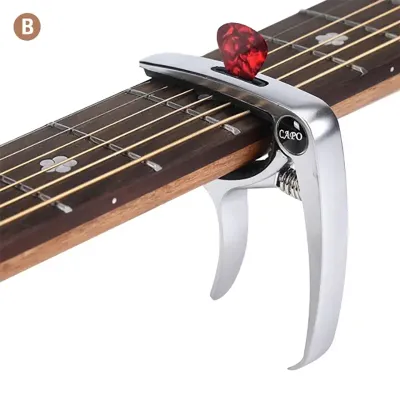
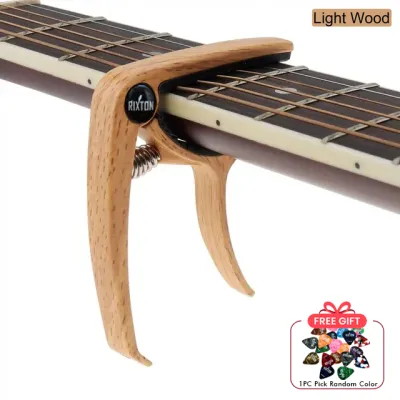
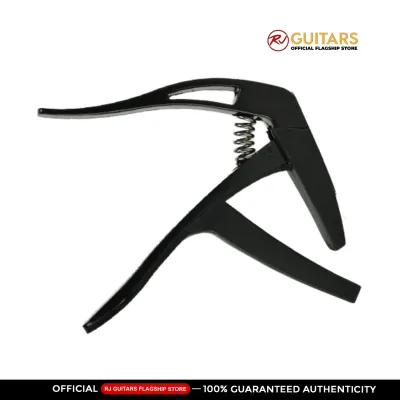
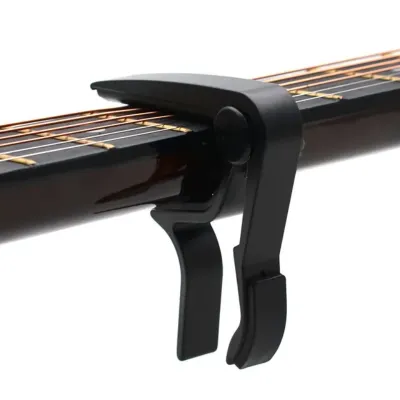
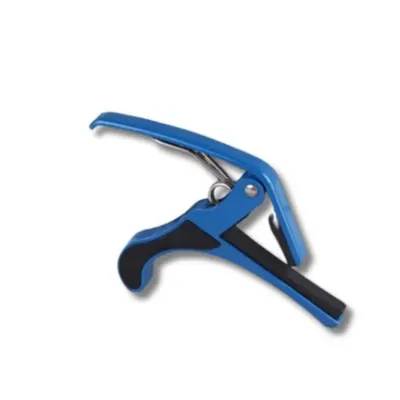
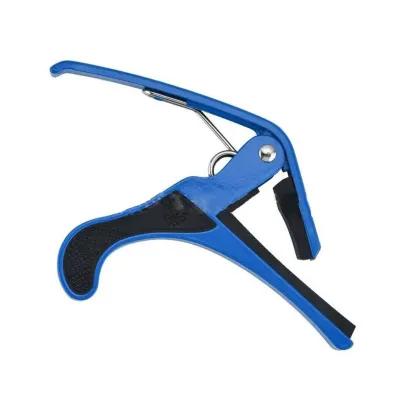
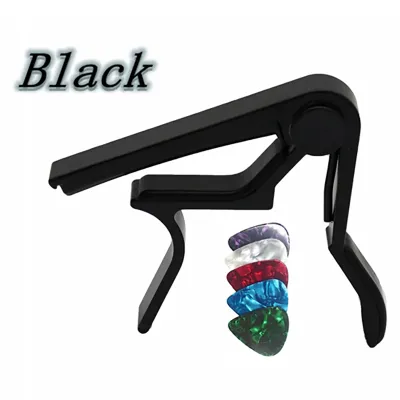
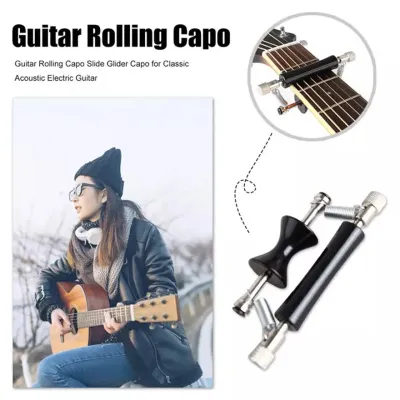
Prices are valid at publication and may change. Please refer to the product page for the latest price.
Signs You Might Need a Capo Right Now
You might need to purchase a capo immediately if you find yourself constantly struggling to sing along with your instrument. If a song’s original key is too low for your vocal range, clamping a capo on the second or fourth fret can instantly raise the pitch to a comfortable singing register while allowing you to use the simple chord shapes you have already mastered.

Another clear sign is when your favorite song tutorials or chord sheets explicitly require a capo. Many popular acoustic tracks rely on the unique, bright ring of open chords played high up the neck, which cannot be replicated accurately by simply transposing the chords down to the open position. If you want to play along with the original recordings of these tracks, having a capo is essential for matching the pitch and vibe of the music.
When You Can Wait to Buy One
If you are still struggling to transition smoothly between basic open chords like G, C, D, and Em, you can safely wait to buy a capo. At this early stage, your primary focus should be on building finger strength, developing muscle memory, and establishing a steady strumming rhythm. Adding accessories too early can sometimes distract from mastering these essential physical fundamentals.
You can also hold off on buying a capo if you are currently practicing solo instrumental pieces, classical exercises, or basic music theory scales. These exercises do not require vocal accompaniment or specific key adjustments, meaning a capo would sit unused in your gig bag. If you are content playing simple songs in their standard keys and are not yet trying to match a specific singer’s vocal range, there is no rush to spend money on extra gear.
How to Choose Your First Capo (If You Decide to Buy)
When you decide to purchase a capo, you will find several different designs available on ecommerce platforms and in local music shops. The most popular and beginner-friendly option is the spring-loaded or trigger capo, which can be easily clamped on and off the neck with one hand. Screw-clamping or toggle capos offer highly adjustable tension but require two hands and more time to position correctly during a performance.
Before buying, it is crucial to check the compatibility of the capo with your specific instrument’s neck width and fretboard radius. Steel-string acoustic guitars have curved fretboards that require a matching curved capo, whereas classical guitars have wide, flat fretboards that need a completely flat, wider capo. Ukuleles have much narrower necks and lighter string tension, meaning you should look for a dedicated, lightweight ukulele capo to avoid applying excessive pressure.
While budget-friendly options are widely available, spending around ₱200 to ₱500 on a reliable capo with thick, high-quality rubber padding is a worthwhile investment. This padding protects the wood of the neck and the metal of the frets from scratches while ensuring even pressure across all strings. Investing a modest amount in a reliable, well-reviewed brand will save you from tuning issues and potential instrument wear down the road.
Practical Alternatives to Using a Capo
If you do not have a capo yet but need to change the key of a song, you can try transposing the chords manually. This involves shifting every chord in the song up or down by a set number of half-steps, which allows you to sing in a comfortable range using different open chords. However, the trade-off is that you may lose the specific ringing quality of the original chord shapes, and some transposed keys might introduce difficult chords you have not learned yet.
For guitarists who are ready for a physical challenge, using barre chords is an excellent alternative to a capo. By using your index finger to press down all the strings across a fret, your hand acts as a human capo, allowing you to play any chord shape anywhere on the neck. While this builds immense hand strength and fretboard knowledge, it is physically demanding and can be frustrating for absolute beginners.
Another temporary workaround is to adjust the tuning of your entire instrument, though this must be done with extreme caution. You can tune all strings down by a half-step or a whole step to lower the pitch, but tuning upward increases string tension significantly. In tropical climates with high humidity, excessive string tension can warp the neck or lift the bridge of your guitar or ukulele, so it is generally safer to use a physical capo rather than over-tightening your strings.
Frequently Asked Questions (FAQ)
Can I use a guitar capo on a ukulele?
Using a standard guitar capo on a ukulele is generally not recommended due to differences in neck size and tension. Guitar capos are designed for wider, thicker necks and have much stronger springs to press down heavy steel strings. Placing a heavy guitar capo on a delicate ukulele neck can apply excessive pressure, causing the strings to go sharp, pulling the instrument out of tune, or potentially denting the soft wood of the neck.
Will a capo damage my instrument's neck or strings?
A properly designed capo with soft rubber padding will not damage your instrument when used correctly. However, you should avoid leaving a spring-loaded capo clamped onto the headstock or neck for extended periods when not playing, as constant pressure can compress the wood finish or wear down the frets prematurely. Always release the tension gently when attaching or removing the capo to prevent the metal frame from scratching the neck.

Community discussion
Share your experience or ask a question. Comments are reviewed before publication.