
Starting your musical journey with a guitar or ukulele is an exciting step, but it often comes with a long list of recommended accessories. Among these, the capo is one of the most common tools you will see in video tutorials and chord sheets. If you are wondering whether you need to buy one immediately, the short answer is no. As a beginner, you can easily learn the fundamentals of your instrument, build finger strength, and play hundreds of songs without ever touching a capo.
Your early weeks of practice should focus on mastering basic open chords, developing a steady strumming rhythm, and getting used to the feel of the strings. A capo is not a requirement for these foundational steps. However, as your playing progresses and you begin to sing along or play with others, this simple tool becomes incredibly useful. It serves as a bridge between your physical playing limits and your musical goals, making it a highly practical addition to your gear bag later on.
What a Capo Actually Does to Your Sound and Chords
To decide if a capo is right for your current stage, it helps to understand how it functions mechanically. A capo is essentially a small clamping device that wraps around the neck of your guitar or ukulele. When you clamp it down on a specific fret, it presses the strings firmly against the fretboard. This action shortens the vibrating length of the strings, which raises the overall pitch of the instrument.
Products mentioned in this guide
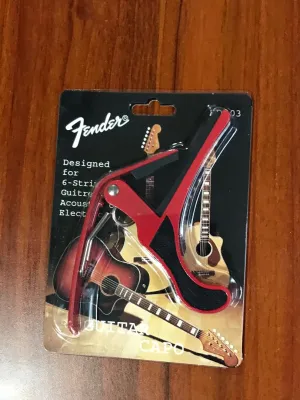
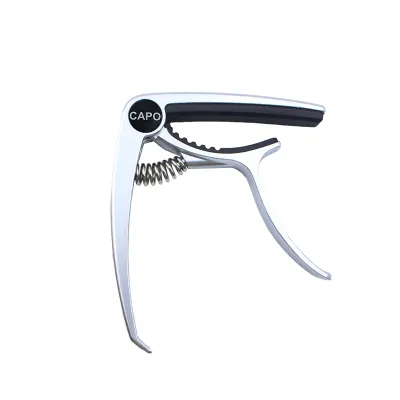
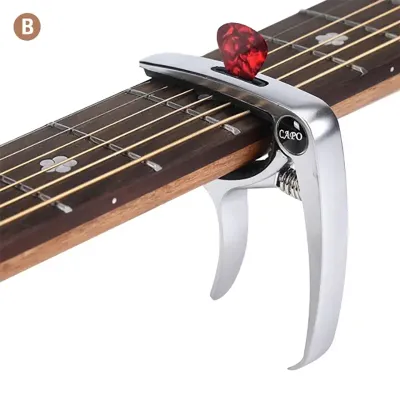
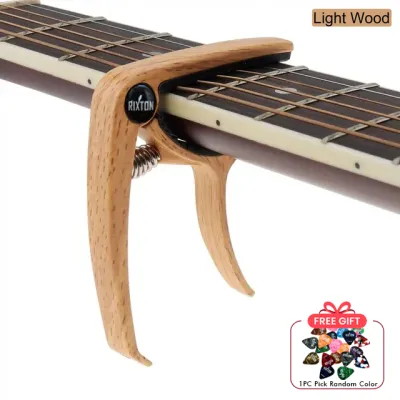
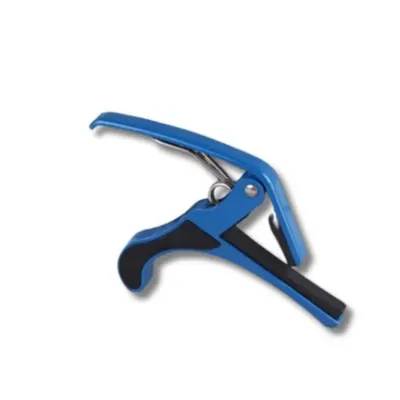
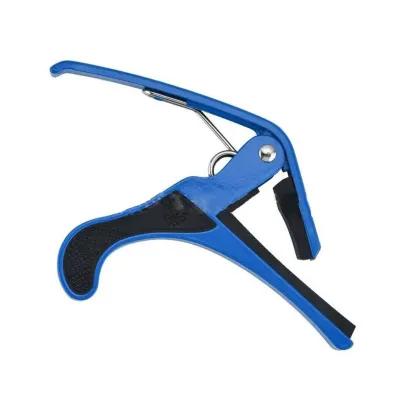
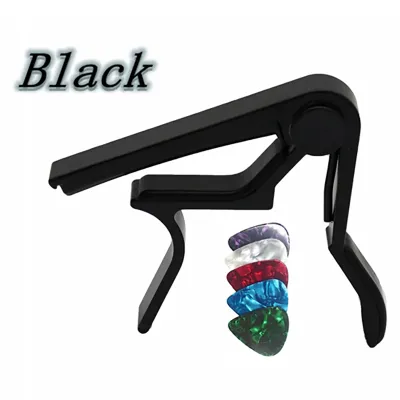
Prices are valid at publication and may change. Please refer to the product page for the latest price.
The primary benefit of this pitch shift is that it allows you to play in different musical keys while using the simple open chord shapes you already know. For example, if a song is in a key that requires difficult barre chords, you can place a capo on the fretboard and use basic shapes like G, C, and D to play the exact same song. The capo handles the transposition for you, saving you from complex fingerings.
It is important to note that a capo does not change the fundamental tuning relationship between the strings. If your guitar is in standard tuning, clamping a capo at the second fret simply shifts the open notes up by two semitones. Your fingerings relative to the capo remain exactly the same, allowing you to transition your existing knowledge to any key seamlessly.
Signs You Can Wait to Buy a Capo
If you are still in the very early stages of learning, there are clear signs that you can hold off on buying a capo. If your daily practice consists of memorizing basic open chords like A minor, E minor, C, and G, a capo will not offer much immediate value. At this point, your primary goal is to train your brain and fingers to transition smoothly between these shapes, which is best done in standard open positions.

Another sign to wait is if you are primarily playing simple folk, pop, or traditional songs that are already written in beginner-friendly keys. Many tutorial books and websites offer simplified arrangements that do not require any pitch adjustments. If you can comfortably sing along with these arrangements or if you are focusing solely on instrumental practice, you do not need to worry about changing keys yet.
Furthermore, waiting to use a capo helps you build essential physical strength and technique. In warm, tropical climates like the Philippines, high humidity can make instrument necks feel slightly different, and your fingers may soften or sweat during long practice sessions. Building solid calluses and hand strength is a gradual process. Relying on a capo too early to avoid challenging chord positions can mask technical weaknesses, such as improper thumb placement or insufficient finger pressure, which are crucial to address early on.
When a Capo Becomes a Necessary Tool for Your Progress
As you transition from an absolute beginner to an intermediate player, you will encounter specific bottlenecks where a capo becomes a necessary tool. The most common trigger is vocal compatibility. If you love to sing while playing, you will quickly find that some songs are written in keys that are either too high or too low for your natural voice. A capo allows you to shift the song’s key up or down until it fits your vocal range, without forcing you to learn a completely new set of chords.
Another clear sign is when you start encountering songs that rely heavily on barre chords. While learning barre chords is an important milestone, playing them repeatedly during a long practice session or a casual jam session can cause significant hand and wrist fatigue. Using a capo allows you to substitute those tiring barre chords with comfortable open shapes, keeping your practice sessions productive and pain-free.
Finally, a capo is indispensable if you plan to play music with other people. If you are jamming with a keyboardist, a wind instrument player, or a singer who prefers a specific key, you must be able to adapt instantly. Instead of spending hours transposing the chord progression in your head, you can simply clamp the capo onto the correct fret and play along in real-time, keeping the music flowing smoothly.
How to Choose the Right Capo for Your Instrument
If you decide that you are ready to add a capo to your toolkit, it is important to choose one that is compatible with your specific instrument. Guitars and ukuleles have very different physical dimensions, and a capo that works well on one may perform poorly on the other.
First, verify the fretboard radius and width. Acoustic and electric guitars typically have a curved fretboard, which requires a capo with a matching curved bar to apply even pressure across all strings. Classical guitars, on the other hand, have flat fretboards and require a flat capo. Ukuleles have much narrower and thinner necks, meaning they require a smaller, lighter capo designed specifically for their scale.
Second, evaluate the clamping mechanism. Spring-loaded or trigger-style capos are highly popular because they allow you to quickly attach or move the capo with one hand. However, they apply a fixed amount of tension. If you want more control, screw-based or adjustable-tension capos allow you to fine-tune the pressure. This prevents the strings from being squeezed too hard, which can pull your instrument out of tune.
Lastly, inspect the padding materials. The contact points that touch your instrument’s neck and strings must be covered in soft, high-quality silicone or rubber. This padding protects the delicate wood finish from scratches and ensures that the strings are held down cleanly without buzzing. In humid conditions, cheap foam padding can degrade and become sticky, so checking for durable silicone padding is highly recommended.
Practical Alternatives to Playing with a Capo
If you find yourself needing to change keys but do not have a capo on hand, there are several practical workarounds you can use to keep practicing. The most valuable alternative is learning movable chord shapes. By mastering basic barre chords based on the standard E and A shapes, you can play in any key across the fretboard. While this requires more physical effort and practice, it ultimately makes you a more versatile and capable musician.
Another modern solution is to use digital tools. Many digital audio workstations, media players, and backing track apps feature pitch-shifting capabilities. If a backing track is in a key that is difficult to play, you can use these apps to shift the audio file up or down to match your comfortable open chords. This allows you to practice along with the track without needing to alter your physical instrument.
You can also search for simplified chord sheets online. Many popular chord databases offer a transpose button that instantly recalculates the chords of a song. By shifting the chords to a beginner-friendly key like C major or G major, you can play the song using basic shapes, even if it sounds slightly different from the original recording.
Frequently Asked Questions (FAQ)
Will using a capo damage my guitar or ukulele neck?
When used correctly, a capo will not cause any damage to your instrument. Modern capos are designed with protective rubber or silicone padding to prevent direct metal-to-wood contact. However, you should always inspect the padding before use to ensure it is clean and intact. To protect your instrument, avoid clamping the capo directly on top of the metal frets, and never leave it clamped on the neck when storing your guitar or ukulele in its case, as the constant tension can leave marks over time.
Can I use a standard guitar capo on a ukulele?
While a standard guitar capo can physically clamp onto a ukulele neck, it is generally not recommended. Guitar capos are significantly wider and heavier, which can make a lightweight ukulele feel unbalanced. More importantly, the strong spring tension of a guitar capo is designed for steel strings and can easily crush the delicate nylon strings of a ukulele, pulling them sharp and ruining your intonation. For the most reliable results, verify the specifications and use a dedicated, lightweight ukulele capo.

Community discussion
Share your experience or ask a question. Comments are reviewed before publication.