
Choosing between a digital piano and an acoustic piano is one of the most significant decisions an aspiring or experienced musician will make. The fundamental difference lies in how they produce sound. An acoustic piano is a mechanical instrument where pressing a key triggers a wooden hammer to strike steel strings, causing a solid spruce soundboard to resonate. In contrast, a digital piano uses electronic sensors to detect key movement, triggering high-resolution digital recordings or computer-generated models projected through speakers or headphones.
For homes in the Philippines, this choice is heavily shaped by practical realities like tropical humidity, urban living spaces, and neighborhood noise levels. An acoustic piano offers unmatched physical resonance and a traditional touch that classical purists prefer, but it demands regular maintenance and a stable environment. A digital piano provides a highly versatile, space-saving, and virtually maintenance-free alternative that allows for silent practice in dense residential areas. Understanding how these instruments align with your budget, living conditions, and musical aspirations will guide you to the right investment.
How Sound and Touch Differ Between Acoustic and Digital Pianos
The physical connection between the player and the sound is direct on an acoustic instrument. When you press a key on an acoustic piano, a complex mechanism of levers, jacks, and hammers is set in motion. The hammer strikes the strings, and when you release the key, a felt damper falls back onto the strings to silence them. This mechanical process creates a natural physical feedback loop. The sound is rich with sympathetic resonance, where unstruck strings vibrate in sympathy, creating a complex web of overtones that changes with every chord.
Products mentioned in this guide
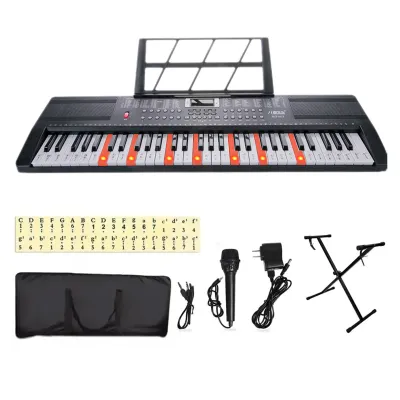

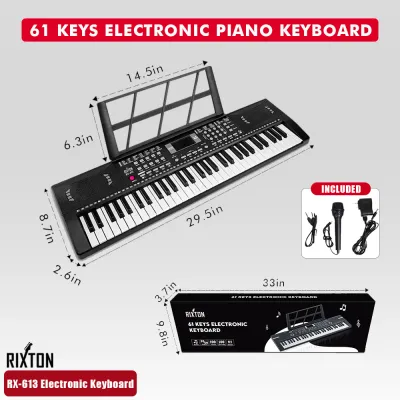
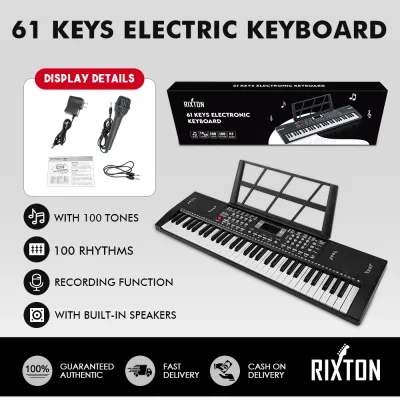
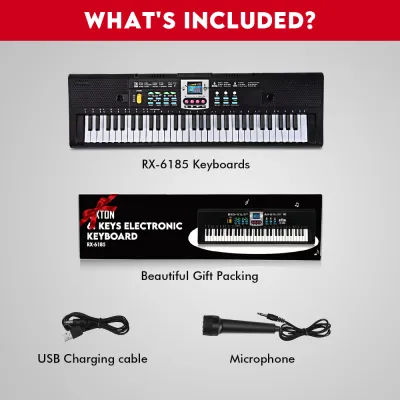
Prices are valid at publication and may change. Please refer to the product page for the latest price.
Digital pianos attempt to replicate this complex physical sensation using weighted keys and graded hammer action, where the keys on the lower register feel heavier than those in the treble. High-end digital models often include a simulated escapement mechanism to mimic the slight click felt when pressing an acoustic key slowly. Instead of physical strings, the sound is produced by a sound engine. This engine plays back multi-layered stereo samples of world-class concert grand pianos, adjusting the volume and timbre based on how hard you strike the key. Some advanced digital models use physical modeling synthesis to calculate the behavior of virtual strings and soundboards in real time.
When visiting a local showroom, pay close attention to the key weight and resistance. Play a slow scale from the lowest note to the highest to ensure the transition feels smooth and natural. Test the dynamic range by playing as softly as possible and then as loudly as possible to see if the sound engine responds with appropriate tonal changes rather than just a volume shift. Check the repetition speed by playing a single key rapidly to see if the action can keep up without dropping notes. Finally, test the pedal response, ensuring the sustain pedal allows for half-pedaling rather than acting as a simple on-off switch.
Evaluating Your Space, Noise Limits, and Climate
Space is a premium in many Philippine homes, particularly in metropolitan condominiums and townhouses. A standard acoustic upright piano typically weighs between 200 to 300 kilograms and requires a permanent, load-bearing spot against a wall. Grand pianos are even larger and heavier, requiring dedicated rooms. Digital pianos offer far greater flexibility. Slim digital consoles often weigh under 50 kilograms and can be easily moved by two people, while portable slab digital pianos can be placed on a folding stand, stored in a closet, or transported in a car trunk for performances.

In densely populated urban areas, noise control is a vital consideration for maintaining good relations with neighbors. Acoustic pianos are inherently loud, often reaching 80 to 90 decibels, and their sound waves easily travel through concrete floors and shared walls. While you can install heavy rugs, acoustic foam, or soundproofing panels, you cannot easily turn down the volume of an acoustic instrument. Digital pianos solve this issue entirely. They feature volume knobs and headphone jacks, allowing you to practice at any hour of the day or night without disturbing family members or neighbors.
The tropical climate of the Philippines presents unique challenges for musical instruments. Acoustic pianos are constructed primarily of wood, felt, and metal, all of which are highly sensitive to fluctuations in temperature and relative humidity. High humidity causes wooden parts to swell, leading to sticky keys, sluggish action, and rusted strings, while dry spells can cause the soundboard to crack. Digital pianos, being electronic devices, are significantly more resilient to these environmental shifts. While they should still be protected from direct sunlight, rain, and extreme heat, they do not suffer from the structural warping or tuning instability that plagues acoustic pianos in tropical environments.
Upfront Prices and Long-Term Maintenance Costs
The upfront cost of a piano is a major deciding factor, and prices vary widely depending on the type and quality of the instrument. Entry-level digital pianos suitable for serious beginners generally range from ₱25,000 to ₱50,000, while high-end digital consoles with advanced action and sound engines can cost between ₱100,000 and ₱300,000. In contrast, a brand-new acoustic upright piano typically starts around ₱250,000 and can easily exceed ₱600,000 for premium models. Second-hand acoustic pianos are available at lower price points, but they require careful inspection to avoid costly hidden defects.
Owning an acoustic piano is a continuous financial commitment. In the humid Philippine climate, an acoustic piano should ideally be tuned at least twice a year to maintain its pitch, with each professional tuning session costing several thousand pesos. Additionally, you will likely need to install an internal dehumidifier rod inside the piano cabinet to keep the internal humidity stable, which adds to your monthly electricity bill. Over time, the action will also require professional regulation—adjusting the mechanical parts to ensure even touch—and the hammers may need voicing or replacement.
Digital pianos require virtually no ongoing maintenance costs. They never need tuning, regardless of how often they are played or how much the weather changes. The physical maintenance is limited to keeping the keys clean and covering the instrument to prevent dust from settling into the electronic contacts. However, buyers should be aware of electronic obsolescence. While a well-maintained acoustic piano can last for generations, a digital piano is subject to the lifespan of its electronic components. Finding replacement parts for an older digital model can be difficult once the manufacturer discontinues support, meaning a major electronic failure down the line could render the instrument obsolete.
Aligning Your Choice with Your Musical Goals
For students pursuing classical piano grades or advanced performance, an acoustic piano remains the gold standard. Developing a refined touch, control over subtle tonal colors, and a deep understanding of pedaling requires the physical feedback of a real acoustic action. Many classical teachers strongly recommend practicing on an acoustic instrument because the transition from a digital keyboard to an acoustic grand during an exam or recital can be jarring for students who have not developed the necessary finger strength and control.
If your musical interests lean toward contemporary genres, jazz, pop, or music production, a digital piano offers distinct advantages. Most digital models feature MIDI or USB connectivity, allowing you to connect the instrument directly to a computer, tablet, or digital audio workstation to record and control virtual instruments. They also come equipped with a variety of onboard sounds, such as electric pianos, organs, and strings, as well as built-in rhythms and accompaniment tracks that are highly useful for solo performers and gigging musicians.
For beginners, the extra features of a digital piano can make the learning process more engaging and less intimidating. Built-in metronomes help develop a steady sense of rhythm, while onboard recording features allow students to listen back to their practice sessions and self-correct. Many modern digital pianos also offer Bluetooth connectivity, enabling seamless integration with educational apps and interactive tutorials on mobile devices, which can keep younger learners motivated during the early stages of practice.
Final Decision: Which Piano Fits Your Life?
Choose an acoustic piano if you have a dedicated, ground-floor space with stable environmental conditions, a flexible budget that can accommodate regular professional tuning and maintenance, and a primary focus on classical training or traditional piano performance. The physical resonance and tactile feedback of an acoustic instrument provide an artistic experience that digital alternatives cannot fully replicate.
Choose a digital piano if you live in a condominium, apartment, or shared household where volume control and silent practice are essential. A digital piano is also the practical choice if you have a limited upfront budget, require a portable instrument for performances, or want to avoid the ongoing costs and effort of managing humidity and tuning in a tropical climate.
Verify first if you decide to purchase a second-hand instrument. For a used acoustic piano, always hire an independent piano technician to inspect the soundboard for cracks, check the tuning pins for tightness, and evaluate the condition of the hammers and felt. For a used digital piano, test every single key to ensure the sensors are responsive, check all input and output ports (especially the headphone jack and power input), and verify that the pedals function smoothly without static noise.
Frequently Asked Questions (FAQ)
Can I learn proper piano technique on a digital piano?
Yes, you can learn proper technique on a digital piano, provided the instrument features 88 fully weighted, hammer-action keys. These keys simulate the physical weight and resistance of an acoustic piano’s hammers, which is essential for building finger strength, dexterity, and dynamic control. While a digital piano is excellent for beginners and intermediate players, advanced classical pianists eventually need to practice on an acoustic instrument to master highly nuanced pedaling techniques and the complex sympathetic resonance unique to acoustic soundboards.
How often does an acoustic piano need tuning in a tropical climate?
In the tropical climate of the Philippines, an acoustic piano should be tuned at least twice a year. The high humidity and seasonal shifts between the wet and dry seasons cause the wooden soundboard to expand and contract, which alters string tension and pulls the instrument out of tune. To minimize these pitch fluctuations and protect the internal wooden action from warping, it is highly recommended to install a specialized piano dehumidifier rod inside the cabinet and keep the room’s temperature as stable as possible.
Do digital pianos hold their resale value like acoustic pianos?
No, digital pianos generally do not hold their resale value as well as acoustic pianos. Because digital pianos are electronic devices, they depreciate similarly to consumer electronics, losing value as newer models with superior sound engines, action, and connectivity are released. A well-maintained acoustic piano, however, can retain a significant portion of its value for decades, as its mechanical design remains timeless and its wooden components can last for generations when kept in a controlled environment.

Community discussion
Share your experience or ask a question. Comments are reviewed before publication.